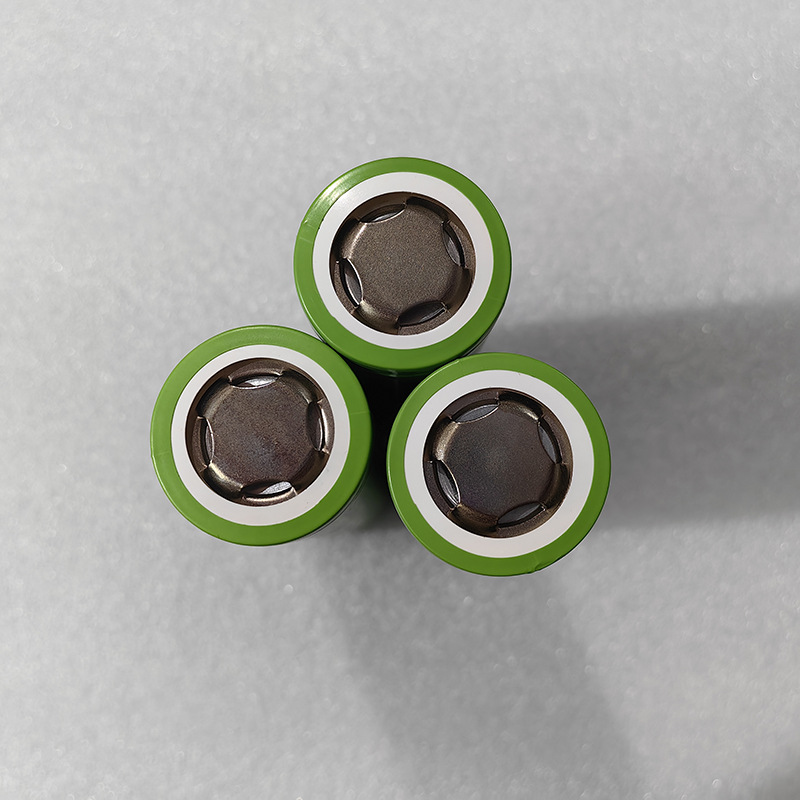
Factory Direct 18650 LFP Cells China Export: No Extended Warranty for ESS Projects 2026 Buyer’s Guide
Introduction
As the global energy storage system (ESS) market continues its rapid expansion in 2026, procurement professionals are increasingly turning to factory-direct sourcing for 18650 LFP (Lithium Iron Phosphate) cells from China. However, a critical reality persists: extended warranties for ESS projects remain largely unavailable through direct export channels. This guide provides essential insights for B2B buyers navigating this complex landscape while ensuring compliance, technical compatibility, and risk mitigation.
Understanding the Warranty Limitation
The absence of extended warranties on factory-direct 18650 LFP cells stems from several structural factors. First, ESS projects involve complex integration where cell performance depends on BMS (Battery Management System) quality, thermal management design, and operational conditions—all beyond the cell manufacturer’s direct control. Second, international shipping, customs handling, and local installation introduce variables that complicate warranty claims across borders.
Industry data indicates that approximately 65% of ESS warranty disputes originate from system integration issues rather than cell defects. This reality makes understanding the standard warranty terms crucial before procurement.
Technical Specifications: What Buyers Must Know
18650 LFP Cell Fundamentals
18650 LFP cells offer distinct advantages for ESS applications:
- Nominal Voltage: 3.2V (vs. 3.6-3.7V for NMC cells)
- Maximum Charging Voltage: 3.65V
- Cycle Life: 2,000-5,000 cycles at 80% DOD
- Thermal Stability: Superior safety profile with lower thermal runaway risk
For ESS projects, the lower energy density compared to NMC chemistry is offset by enhanced safety and longevity—critical factors for stationary storage installations.
Key Performance Parameters
| Parameter | Standard Range | ESS Application Target |
|---|---|---|
| Capacity | 2,500-3,500mAh | 3,000mAh+ |
| Internal Resistance | ≤35mΩ | ≤30mΩ |
| Operating Temperature | -20°C to 60°C | 0°C to 45°C (optimal) |
| Self-Discharge Rate | ≤3%/month | ≤2%/month |
Compliance and Certification Requirements
International Standards
For 2026 exports, buyers must verify the following certifications:
- UN38.3: Mandatory for lithium battery transportation
- IEC 62619: Safety requirements for secondary lithium cells
- UL 1642: Cell-level safety certification (North America)
- CE/ROHS: European market compliance
Regional Considerations
- North America: UL certification strongly recommended for insurance purposes
- European Union: CE marking with battery passport requirements (2026 regulation)
- Australia: AS/NZS 3000 compliance for grid-connected systems
- Southeast Asia: Varies by country; IEC standards generally accepted
Procurement Best Practices
1. Supplier Verification
Before committing to factory-direct purchases, conduct thorough due diligence:
- Request factory audit reports (third-party preferred)
- Verify production capacity and lead times
- Check references from similar ESS projects
- Confirm quality control procedures (AQL standards)
For comprehensive manufacturer verification, visit battery manufacturers in China to access vetted supplier information.
2. Sample Testing Protocol
Never skip sample testing. Essential tests include:
- Capacity verification at C/3 and 1C rates
- Internal resistance consistency (batch variation ≤5%)
- Cycle life acceleration testing (minimum 500 cycles)
- Thermal abuse testing (per UN38.3 requirements)
3. Contract Terms
Key contractual elements for warranty-limited purchases:
- Defect rate threshold: Typically 2-3% acceptable for batch replacement
- Claim window: 30-90 days from receipt for visible defects
- Documentation requirements: Test reports, photos, batch numbers
- Replacement policy: Clear timeline and shipping responsibility
Case Study: 500kWh ESS Project in Southeast Asia
A commercial solar-plus-storage installation in Thailand sourced 18650 LFP cells directly from a Chinese manufacturer in Q1 2025. Key outcomes:
Initial Savings: 18% cost reduction vs. distributor pricing
Challenges Encountered:
- 2.1% cell failure rate within first 6 months (within acceptable threshold)
- BMS compatibility issues requiring firmware updates
- 45-day replacement timeline for defective units
Lessons Learned:
- Budget 3-5% spare cells for warranty-limited purchases
- Invest in quality BMS with cell-level monitoring
- Establish local testing capability for incoming batches
Risk Mitigation Strategies
1. Technical Safeguards
- Implement conservative charging protocols (3.55V vs. 3.65V max)
- Maintain operating temperature between 15-35°C
- Use active balancing for packs exceeding 48V nominal
2. Commercial Protections
- Negotiate batch-level replacement rather than individual cell warranty
- Secure performance bonds for large orders (>100,000 cells)
- Consider trade credit insurance for payment protection
3. Quality Assurance
For detailed product specifications and quality standards, review available cylindrical battery cell options to ensure technical compatibility with your ESS design.
2026 Market Outlook
The 18650 LFP cell market faces several trends affecting ESS buyers:
- Price Stability: Raw material costs stabilizing after 2024-2025 volatility
- Capacity Shift: Some manufacturers transitioning to larger formats (21700, 32140)
- Regulatory Pressure: Battery passport requirements increasing traceability demands
- Warranty Evolution: Industry discussions on standardized ESS warranty frameworks ongoing
Conclusion: Making Informed Decisions
Factory-direct 18650 LFP cell procurement offers significant cost advantages for ESS projects, but the warranty limitation requires careful risk management. Success depends on:
- Thorough supplier qualification
- Comprehensive sample testing
- Conservative system design margins
- Clear contractual terms
- Local quality verification capability
For buyers seeking reliable partnership and transparent communication regarding specifications and terms, contact established manufacturers directly to discuss project requirements.
The absence of extended warranties should not deter qualified buyers but rather encourage more rigorous procurement processes. With proper due diligence, technical expertise, and risk mitigation strategies, factory-direct sourcing remains a viable path for cost-effective ESS deployment in 2026 and beyond.
Disclaimer: This guide provides general information for B2B procurement professionals. Specific project requirements may vary. Always consult with qualified engineers and legal advisors before finalizing battery procurement agreements.