Ultimate Guide to 18650 LFP Cells for Solar Storage 2026 – Complete Fast Charging Without Heat Focus
Introduction
As the renewable energy sector accelerates into 2026, lithium iron phosphate (LFP) chemistry has emerged as the dominant solution for stationary solar energy storage systems. Among various form factors, the 18650 cylindrical cell configuration continues to deliver exceptional value for commercial and residential solar installations. This comprehensive guide examines the technical advantages of 18650 LFP cells, with particular emphasis on fast-charging capabilities and thermal management—two critical factors determining system longevity and operational safety.
Technical Advantages of 18650 LFP Chemistry
LFP cells utilize lithium iron phosphate as the cathode material, offering inherent safety advantages over nickel-based chemistries. The olivine crystal structure provides superior thermal stability, with decomposition temperatures exceeding 270°C compared to 150°C for NMC alternatives. This fundamental characteristic enables safer operation during rapid charging cycles without compromising cell integrity.
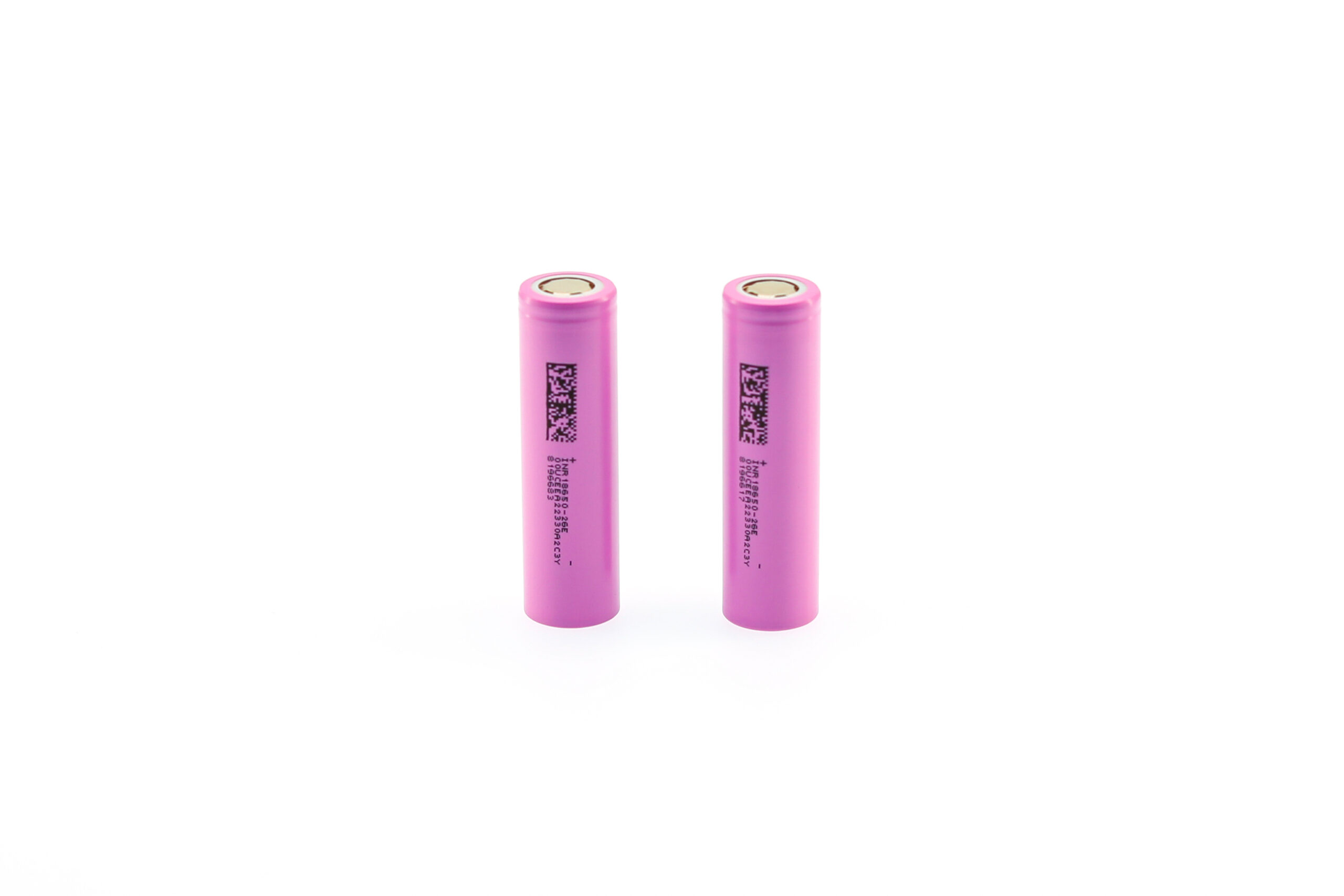
The 18650 form factor (18mm diameter × 65mm length) delivers approximately 3.2V nominal voltage with typical capacities ranging from 1,500mAh to 2,000mAh for power-optimized variants. For solar storage applications, the lower energy density compared to larger prismatic cells is offset by superior heat dissipation characteristics and modular scalability.
Fast Charging Without Thermal Degradation
Charging Protocol Optimization
Achieving efficient fast charging requires precise current management. Standard 18650 LFP cells support continuous charging at 1C rates, while premium variants engineered for solar applications accommodate 2C-3C charging without significant temperature elevation. The key lies in implementing multi-stage charging algorithms:
- Stage 1 (0-80% SOC): Constant current charging at maximum rated amperage
- Stage 2 (80-95% SOC): Gradual current reduction to prevent lithium plating
- Stage 3 (95-100% SOC): Trickle charging for cell balancing
Thermal Management Strategies
Heat generation during charging follows the relationship P = I²R, where internal resistance becomes the critical variable. Quality 18650 LFP cells maintain internal resistance below 35mΩ, minimizing heat production even at elevated charging currents. Effective thermal management incorporates:
- Passive cooling through aluminum heat sinks between cell modules
- Active airflow designs maintaining ambient temperatures between 15-35°C
- Thermal monitoring with BMS-integrated temperature sensors at multiple points
System Integration Considerations
Battery Management System Requirements
A robust BMS is essential for maximizing 18650 LFP performance in solar applications. Critical functions include:
- Individual cell voltage monitoring (±2mV accuracy)
- Temperature compensation for charging voltage
- Passive or active cell balancing during charging cycles
- Over-current and short-circuit protection
Cycle Life Expectations
Properly managed 18650 LFP cells deliver 3,000-5,000 complete cycles at 80% depth of discharge, translating to 8-12 years of operational life in daily cycling solar storage systems. Maintaining charging temperatures below 45°C preserves cycle life, while sustained operation above 60°C accelerates capacity fade by 40-60%.
Quality Selection Criteria for B端 Procurement
When evaluating suppliers for commercial solar projects, technical procurement teams should verify:
- IEC 62619 certification for stationary energy storage
- UN 38.3 compliance for transportation safety
- Batch consistency with capacity variance under 3%
- Traceability through complete manufacturing documentation
Professional manufacturers provide comprehensive technical datasheets including impedance spectra, cycle life curves at various temperatures, and recommended charging profiles specific to solar storage applications.
Conclusion
The 18650 LFP cell represents a mature, cost-effective solution for 2026 solar storage deployments, particularly where thermal management and fast-charging capability are prioritized. Success depends on selecting quality cells from established manufacturers, implementing appropriate BMS architecture, and maintaining optimal operating temperatures throughout the system lifecycle.
For technical specifications, bulk procurement inquiries, or custom solar storage solutions, visit our product catalog to explore certified 18650 LFP options. Partner with verified battery manufacturers in China ensuring quality compliance and supply chain reliability. Contact our engineering team directly at https://cnsbattery.com/contact-2/ for project-specific technical consultation and volume pricing.