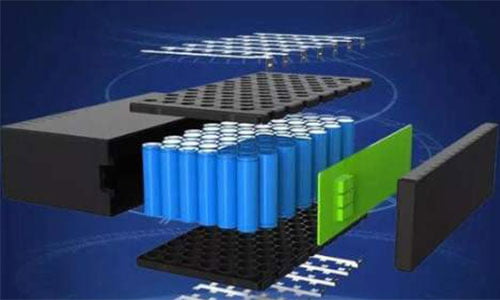
Quality Guaranteed Cylindrical Battery Cell | CNS BATTERY
Engineering Excellence in Every Cell: A Technical Deep Dive
In the rapidly evolving landscape of energy storage solutions, cylindrical battery cells have emerged as the cornerstone of reliable power systems across industries. From electric vehicles to portable electronics, the demand for quality guaranteed cylindrical battery cells has never been more critical. At CNS BATTERY, we understand that engineering teams and technical procurement specialists require more than specifications—they demand verifiable performance data, compliance documentation, and transparent manufacturing processes. This technical analysis dissects the core parameters, testing methodologies, and regional compliance frameworks that define our cylindrical cell offerings.
Core Technical Parameters: Precision Engineering Breakdown
1. Capacity Consistency & Energy Density
Our cylindrical cells maintain capacity deviation within ±2% across production batches, achieved through automated electrode coating systems with micron-level precision. The energy density ranges from 250-280 Wh/kg depending on chemistry selection (NMC vs. LFP), optimized for applications requiring extended cycle life without compromising safety margins.
2. Internal Resistance & Thermal Performance
Low internal resistance (≤35mΩ at 1kHz AC) ensures minimal heat generation during high-discharge operations. Our cells undergo thermal runaway testing per UN38.3 Section 38.3.4.7, maintaining structural integrity at temperatures exceeding 150°C. This parameter is critical for applications in extreme environments, from automotive under-hood installations to outdoor energy storage systems.
3. Cycle Life Validation
Accelerated aging tests demonstrate 2,000+ cycles at 80% depth of discharge while retaining 80% initial capacity. Testing protocols follow IEC 62660-2 standards, with validation data available for engineering review. Each production lot includes statistical process control (SPC) charts documenting capacity fade curves.
Comprehensive Testing Methodologies: Beyond Standard Compliance
Safety Testing Framework
Our quality assurance extends beyond baseline requirements. Each cylindrical cell batch undergoes:
- Mechanical Abuse Testing: Vibration (IEC 60068-2-64), shock, and crush testing simulating real-world transport and operational conditions
- Electrical Abuse Testing: Overcharge, over-discharge, and external short-circuit validation per UL 1642 requirements
- Environmental Stress Screening: Temperature cycling (-40°C to +85°C), humidity exposure (85% RH at 85°C for 1,000 hours)
Traceability & Documentation
Every cell carries a unique QR code linking to manufacturing data including electrode batch numbers, formation cycle parameters, and final inspection results. This traceability system supports EU Battery Passport requirements becoming mandatory in 2027, ensuring our customers maintain compliance throughout the product lifecycle.
Detailed testing reports and certification documentation are available through our product portal, enabling engineering teams to conduct thorough technical evaluations before specification approval.
Regional Compliance: Strategic Market Adaptation
European Union Regulatory Framework
CNS BATTERY cylindrical cells comply with EU Battery Regulation 2023/1542, including:
- Carbon footprint declaration per product category
- Recycled content documentation (minimum 12% cobalt, 85% lead, 4% lithium by 2030)
- Due diligence reporting for raw material sourcing
Our manufacturing facilities maintain ISO 14001 certification, with third-party audits verifying environmental management systems. For European procurement teams, this eliminates compliance gaps during product registration and market entry.
United States Certification Requirements
North American deployments require UL 1642 (cell level) and UL 2580 (pack level) certifications. Our cylindrical cells carry UL recognition, with testing conducted at NRTL-accredited laboratories. Additionally, UN38.3 transportation certification ensures seamless logistics across air, sea, and ground freight—critical for just-in-time manufacturing operations.
Asia-Pacific Market Considerations
For customers operating across multiple jurisdictions, our cells meet GB 38031-2025 (China EV battery safety standard) and JIS C 8715 (Japanese industrial standard). This multi-standard compliance reduces qualification timelines for global product platforms, particularly valuable for OEMs managing regional variant strategies.
Technical Support & Partnership Framework
Understanding that battery cell selection impacts system-level design, CNS BATTERY provides dedicated engineering support throughout the qualification process. Our technical team assists with:
- Application-specific cell matching and characterization
- Thermal management system integration guidance
- Regulatory documentation preparation for target markets
For procurement specialists evaluating supplier qualifications, our manufacturing capabilities and quality systems are documented at battery manufacturers in China, providing transparency into production capacity, equipment specifications, and quality control infrastructure.
Conclusion: Quality as a Competitive Advantage
In an industry where cell failure can compromise entire product lines, quality guaranteed cylindrical battery cells represent more than specifications—they embody risk mitigation, regulatory compliance, and long-term partnership value. CNS BATTERY’s commitment to transparent testing data, multi-regional certification, and engineering support positions our cylindrical cells as the preferred choice for demanding applications across Europe, North America, and Asia-Pacific markets.
For technical inquiries, sample requests, or compliance documentation, our engineering team is available through our contact portal. We invite qualified engineering teams and procurement specialists to request evaluation samples with full test reports, enabling data-driven specification decisions for your next-generation energy storage projects.
Technical specifications subject to application requirements. Certification documentation available upon request with NDA execution. All testing performed at accredited third-party laboratories with traceable calibration standards.