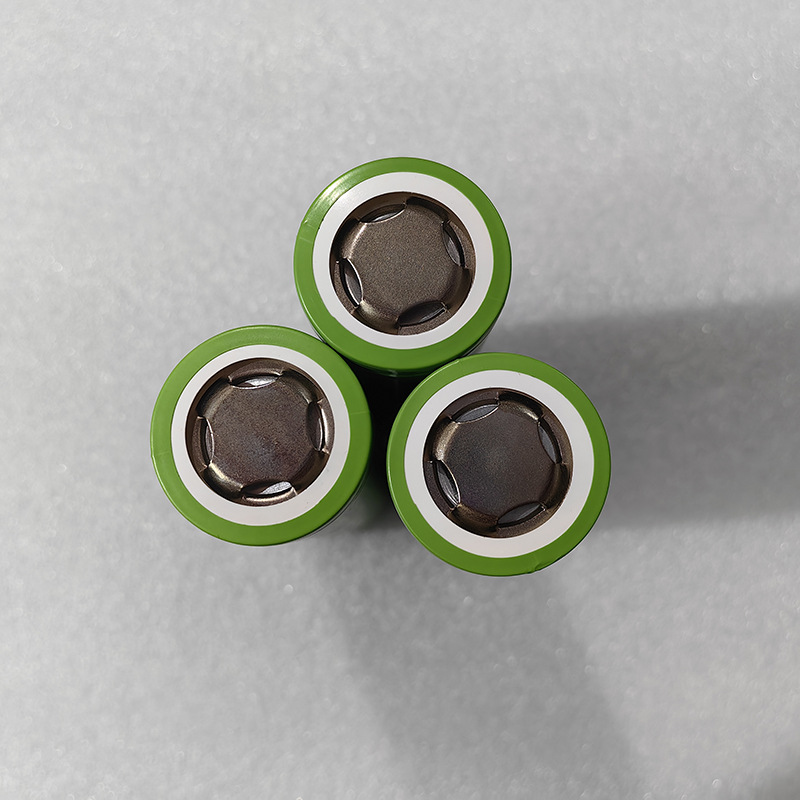
21700 Battery Certifications Full List – UL CE UN RoHS: Complete Technical Compliance Guide for Global Markets
For engineers and technical procurement specialists sourcing cylindrical lithium-ion cells, understanding the complete certification landscape for 21700 batteries is non-negotiable. As the industry standard for high-energy applications—from power tools to e-mobility and energy storage systems—21700 cells must meet rigorous international safety and environmental standards. This comprehensive breakdown examines UL, CE, UN38.3, and RoHS certifications, providing actionable insights for regional compliance across the European Union, United States, and global markets.
Understanding the Core Certification Framework
The 21700 form factor (21mm diameter × 70mm length) delivers approximately 20-50% higher energy density than its 18650 predecessor, making certification compliance even more critical. Each certification addresses distinct regulatory requirements:
UL Certification (United States & North America)
UL standards represent the gold standard for North American market entry. For 21700 cells, two primary standards apply:
- UL 1642: Covers lithium-ion cell safety, including electrical, mechanical, and environmental abuse testing
- UL 2054: Addresses battery pack assemblies for commercial applications
Testing protocols include overcharge, short-circuit, crush, impact, and thermal abuse scenarios. Cells must demonstrate no fire, explosion, or hazardous leakage under specified conditions. For procurement teams targeting the US market, UL certification is often mandatory for insurance coverage and retailer acceptance.
CE Marking (European Union Compliance)
CE marking indicates conformity with EU health, safety, and environmental protection legislation. For 21700 batteries, CE compliance encompasses:
- EN 62133: Safety requirements for portable sealed secondary cells
- EMC Directive 2014/30/EU: Electromagnetic compatibility standards
- Battery Directive 2006/66/EC: Environmental and disposal requirements
The CE framework requires technical documentation, risk assessment, and declaration of conformity. European distributors typically request full test reports from accredited laboratories before accepting shipments.
UN38.3 Transportation Certification
UN38.3 is mandatory for all lithium battery shipments worldwide. This United Nations standard covers eight specific tests:
- Altitude simulation
- Thermal testing (-55°C to +75°C)
- Vibration
- Shock
- External short circuit
- Impact/crush
- Overcharge
- Forced discharge
Without UN38.3 certification and accompanying test summary documentation, 21700 cells cannot be transported by air, sea, or ground freight internationally. This certification is particularly critical for cross-border supply chains and e-commerce fulfillment.
RoHS Compliance (Environmental Standards)
The Restriction of Hazardous Substances Directive limits specific materials in electrical equipment:
- Lead (Pb): <0.1%
- Mercury (Hg): <0.1%
- Cadmium (Cd): <0.01%
- Hexavalent chromium (Cr6+): <0.1%
- PBB/PBDE flame retardants: <0.1%
2025 updates expanded restrictions to include additional phthalates, requiring updated SDS documentation. For EU market access, RoHS compliance is mandatory alongside CE marking.
Technical Testing Methodologies
Certification validity depends on rigorous testing protocols. Accredited laboratories conduct:
Electrical Safety Testing: Continuous monitoring of voltage, current, and temperature during charge/discharge cycles. Cells must maintain stability under maximum rated conditions.
Mechanical Abuse Testing: Drop tests from 1.5m, crush forces up to 13kN, and penetration tests verify structural integrity under physical stress.
Environmental Testing: Temperature cycling between -40°C and +85°C, humidity exposure at 90% RH, and salt spray corrosion testing ensure reliability across operating conditions.
Cycle Life Validation: Minimum 500 cycles at 80% depth-of-discharge with capacity retention ≥80% demonstrates long-term performance consistency.
Regional Market Adaptation Strategies
Understanding geographical compliance requirements directly impacts procurement decisions and time-to-market:
European Union: Requires complete CE documentation with notified body involvement for certain applications. Battery passport requirements under the new EU Battery Regulation (2023) add traceability obligations for carbon footprint and recycled content disclosure.
United States: UL certification remains voluntary but practically essential for market acceptance. State-specific regulations (California Proposition 65, New York battery labeling) add additional compliance layers.
Asia-Pacific Markets: Japan requires PSE certification, Korea mandates KC marking, and China enforces CCC certification for domestic sales. Each market has distinct testing requirements despite technical similarities.
For technical buyers evaluating suppliers, verification of current certification validity is essential. Certificates expire, standards update, and manufacturing changes require re-testing. Request original test reports, not just certification marks, during supplier qualification.
CNS Battery: Certified 21700 Solutions for Global Deployment
When selecting 21700 cell suppliers, prioritize manufacturers with comprehensive certification portfolios and proven export experience. CNS Battery maintains full compliance across UL, CE, UN38.3, and RoHS standards, enabling seamless market entry across multiple regions.
Our cylindrical battery cells undergo rigorous testing at accredited laboratories, with documentation readily available for customer review. For detailed product specifications and certification verification, visit our cylindrical battery cell product page.
Technical procurement teams requiring customization or volume pricing can connect directly with our engineering team through our contact page. We provide certification documentation packages specifically formatted for customs clearance and regulatory submission.
For comprehensive information about our manufacturing capabilities and quality systems, explore our battery manufacturers in China overview, detailing our production capacity, testing infrastructure, and export compliance processes.
Conclusion: Certification as Competitive Advantage
In 2026’s regulated battery market, comprehensive certification isn’t merely compliance—it’s competitive differentiation. Engineers specifying 21700 cells for international products must verify complete certification coverage before design finalization. Procurement teams should treat certification documentation as critical as electrical specifications during supplier evaluation.
The investment in properly certified 21700 cells reduces time-to-market, eliminates customs delays, and protects against liability exposure. As global regulations continue tightening, particularly in the EU with battery passport requirements and the US with increased safety scrutiny, certification completeness becomes increasingly valuable.
For projects requiring multi-regional deployment, select suppliers maintaining current certifications across all target markets. This approach eliminates redundant testing costs and accelerates product launches across geographical boundaries.