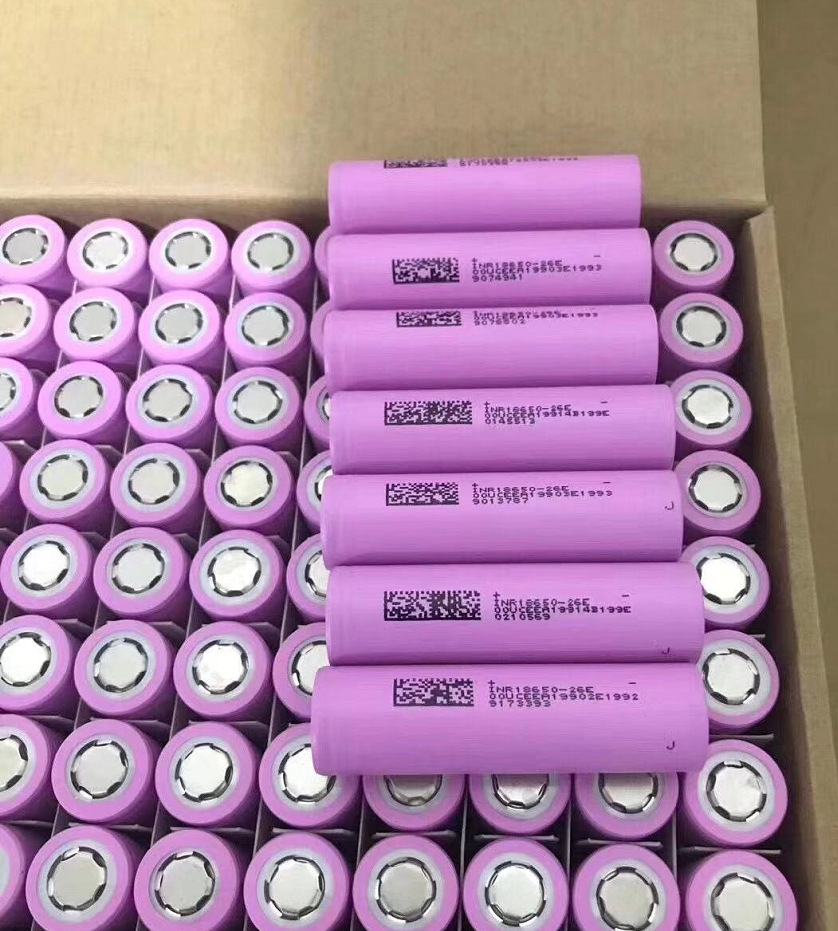
Complete High Reliability Solution for E-bike Using High-Quality 18650 LFP Cells: Top 5 Problems & Solutions
The electric bike (e-bike) industry continues its exponential growth, with manufacturers and engineers seeking reliable, safe, and cost-effective battery solutions. Among various chemistries, Lithium Iron Phosphate (LFP) 18650 cylindrical cells have emerged as the preferred choice for high-reliability e-bike applications. This article addresses the top five critical problems encountered in e-bike battery systems and provides comprehensive technical solutions for engineers and procurement professionals.
Problem 1: Thermal Runaway and Safety Concerns
Technical Analysis: Thermal management remains the primary safety challenge in e-bike battery packs. Traditional NMC cells operate at higher voltages but present elevated thermal runaway risks, especially under high-load conditions common in urban commuting scenarios.
Solution: LFP chemistry offers superior thermal stability with decomposition temperatures exceeding 270°C compared to 150°C for NMC. Implementing high-quality 18650 LFP cells with built-in CID (Current Interrupt Device) and PTC (Positive Temperature Coefficient) protection significantly reduces thermal events. Proper cell spacing of 2-3mm combined with aluminum heat dissipation plates ensures optimal thermal performance across -20°C to 60°C operating ranges.
Problem 2: Cycle Life Degradation
Technical Analysis: E-bike batteries typically require 1000+ charge cycles for commercial viability. Inconsistent cell matching and poor BMS algorithms accelerate capacity fade, resulting in premature pack failure.
Solution: Premium 18650 LFP cells deliver 2000-3000 cycles at 80% DOD when properly managed. Implementing active cell balancing with ±5mV voltage matching tolerance extends pack longevity. Advanced BMS systems should incorporate coulomb counting, temperature compensation, and adaptive charging algorithms. For detailed specifications on cylindrical battery solutions, visit Cylindrical Battery Cell Products.
Problem 3: Inconsistent Cell Performance
Technical Analysis: Manufacturing variations cause capacity, internal resistance, and self-discharge rate discrepancies across cells. These inconsistencies create weak links that limit overall pack performance and reliability.
Solution: Implement strict cell grading protocols with capacity tolerance ≤3%, internal resistance variance ≤2mΩ, and voltage matching within 10mV before pack assembly. Partner with certified manufacturers maintaining ISO 9001 and IATF 16949 standards. Quality verification through comprehensive testing including capacity validation, impedance spectroscopy, and accelerated aging tests ensures consistent performance across production batches.
Problem 4: BMS Communication and Protection Failures
Technical Analysis: Battery Management System failures account for approximately 30% of e-bike battery field returns. Communication protocol mismatches, inadequate protection thresholds, and poor component selection compromise system reliability.
Solution: Deploy redundant protection architecture with hardware-level overcurrent, overvoltage, and undervoltage cutoffs independent of software control. Implement CAN bus or UART communication with error-checking protocols for real-time monitoring. Select MOSFETs with appropriate voltage ratings (minimum 100V for 48V systems) and current handling capacity exceeding peak discharge requirements by 20%. Regular firmware updates and diagnostic capabilities enable proactive maintenance.
Problem 5: Environmental Durability and IP Rating Compliance
Technical Analysis: E-bikes operate in diverse environmental conditions including rain, dust, vibration, and temperature extremes. Inadequate sealing and mechanical protection lead to moisture ingress, connector corrosion, and structural failures.
Solution: Design battery enclosures meeting IP65 minimum standards with silicone gaskets and conformal coating on PCB assemblies. Implement vibration testing per IEC 60068-2-64 standards with random vibration profiles simulating real-world road conditions. Use ultrasonic welding or laser welding for busbar connections instead of spot welding to ensure mechanical integrity. Potting compounds provide additional moisture protection for critical electronic components.
Implementation Best Practices
Successful e-bike battery deployment requires systematic integration of these solutions. Begin with thorough requirement analysis including range expectations, power delivery profiles, and environmental operating conditions. Select cell suppliers with proven track records and comprehensive quality documentation. For manufacturers seeking reliable partnerships in China, explore resources at Battery Manufacturers in China.
Establish comprehensive incoming quality control procedures including random sampling, capacity testing, and internal resistance verification. Maintain detailed traceability records for each production batch enabling rapid root cause analysis if field issues arise. Implement burn-in testing at elevated temperatures to identify infant mortality failures before customer deployment.
Conclusion
High-reliability e-bike battery systems demand meticulous attention to cell selection, thermal management, BMS design, and environmental protection. By addressing these five critical problems with proven technical solutions, manufacturers can deliver products that meet the demanding expectations of modern urban mobility. The combination of quality 18650 LFP cells, robust engineering practices, and comprehensive testing protocols creates competitive advantage in the rapidly evolving e-bike market.
For technical consultation and partnership opportunities, contact our engineering team at Contact Page. Our specialists provide customized battery solutions aligned with your specific application requirements, ensuring optimal performance, safety, and cost-effectiveness for your e-bike projects.
This technical guide serves engineers, procurement professionals, and product developers seeking reliable e-bike battery solutions. Implementation of these recommendations requires qualified personnel and appropriate testing facilities to ensure compliance with applicable safety standards and regulations.