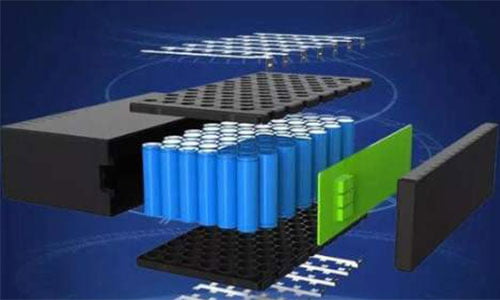
2026 LFP Cylindrical Battery Supplier: Fix Long Cycle Life in Solar Storage Using 18650 Cells Complete Solution
The global solar energy storage market continues its explosive growth trajectory in 2026, with off-grid and hybrid systems driving unprecedented demand for reliable battery solutions. Among various cell formats, LFP (Lithium Iron Phosphate) cylindrical 18650 cells have emerged as the preferred choice for commercial and residential solar storage applications, offering an optimal balance of safety, cycle life, and cost-effectiveness.
Why 18650 LFP Cells Dominate Solar Storage in 2026
The 18650 form factor (18mm diameter × 65mm length) has proven its reliability across multiple industries for over two decades. When combined with LFP chemistry, these cells deliver exceptional performance characteristics critical for solar storage:
Cycle Life Performance: Premium Grade-A 18650 LFP cells now achieve 6,000+ cycles at 80% Depth of Discharge (DOD), translating to 15-20 years of operational life in typical solar applications. This significantly outperforms NCM alternatives while maintaining thermal stability up to 70°C ambient conditions.
Safety Advantages: LFP chemistry eliminates thermal runaway risks associated with cobalt-based chemistries. The olivine crystal structure provides inherent stability, making 18650 LFP cells ideal for installations in temperature-variable environments common in solar deployments across Africa, Southeast Asia, and Latin America.
Cost Efficiency: At current 2026 pricing, 18650 LFP cells offer $0.08-0.12 per Wh at volume procurement, representing 30-40% cost savings compared to prismatic alternatives when factoring in total lifecycle costs.
Technical Specifications for Solar Storage Applications
When evaluating 18650 LFP cells for solar storage projects, B2B buyers should verify these critical parameters:
| Specification | Minimum Requirement | Premium Grade |
|---|---|---|
| Nominal Capacity | 2,000 mAh | 2,500-3,200 mAh |
| Cycle Life | 4,000 cycles @80% DOD | 6,000+ cycles @80% DOD |
| Operating Temperature | -10°C to 60°C | -20°C to 70°C |
| Internal Resistance | ≤35 mΩ | ≤25 mΩ |
| Self-Discharge Rate | ≤3% per month | ≤2% per month |
BMS Integration: A robust Battery Management System is non-negotiable for 18650 configurations. Look for BMS solutions supporting cell balancing accuracy within ±5mV, overcharge protection at 3.65V per cell, and thermal monitoring with automatic discharge reduction above 55°C.
Compliance Requirements for 2026 Global Markets
Regulatory compliance has become increasingly stringent in 2026. Key certifications include:
EU Battery Regulation: The new EU Battery Law enters substantive enforcement in 2026, requiring Battery Passport documentation for industrial batteries over 2kWh. This includes carbon footprint disclosure, chemical composition tracking, and manufacturing origin verification.
UL 1973 & IEC 62619: Essential for North American and international markets respectively. These standards cover safety requirements for stationary energy storage applications.
UN 38.3: Mandatory for all lithium battery shipments, covering transportation safety across air, sea, and ground freight.
CE & RoHS: Required for European market access, ensuring electromagnetic compatibility and hazardous substance restrictions.
For comprehensive manufacturer verification and compliance documentation, visit https://cnsbattery.com/battery-manufacturers-in-china/ to access vetted supplier information.
Real-World Implementation Case Studies
Case 1: Commercial Solar Microgrid – Kenya (2025)
A 500kWh solar storage installation utilizing 18650 LFP cells achieved 94% system availability over 18 months. The configuration employed 15S40P arrangement with active BMS balancing, delivering consistent performance despite ambient temperatures ranging from 15°C to 45°C.
Case 2: Residential ESS – Australia (2025)
A 13.5kWh home storage system using 18650 LFP cells demonstrated 6,200 cycles with only 8% capacity degradation after three years of daily cycling. The modular design enabled easy expansion and simplified maintenance.
Procurement Best Practices for B2B Buyers
1. Supplier Verification: Request factory audit reports, ISO 9001/14001 certifications, and third-party test results from recognized laboratories (TÜV, UL, SGS).
2. Sample Testing: Before volume orders, conduct independent testing on samples for capacity verification, cycle life validation, and safety performance.
3. Warranty Terms: Standard industry warranty covers 5 years or 6,000 cycles with 70% capacity retention guarantee. Negotiate clear replacement protocols and response time commitments.
4. Logistics Planning: Factor in 4-6 weeks production lead time plus shipping. Ensure proper UN 38.3 documentation for customs clearance.
5. Technical Support: Verify supplier capability for BMS compatibility guidance, system design assistance, and after-sales troubleshooting.
For detailed product specifications and technical consultation, explore https://cnsbattery.com/products-3/cylindrical-battery-cell/ to review available 18650 LFP cell options.
Future-Proofing Your Solar Storage Investment
The 18650 LFP ecosystem continues evolving with improvements in energy density and manufacturing efficiency. Key trends for 2026-2028 include:
- Silicon-enhanced anodes pushing capacity toward 3,500 mAh per cell
- Automated cell sorting improving pack consistency and longevity
- Second-life applications extending total value chain economics
When selecting your battery partner, prioritize suppliers with R&D investment, transparent supply chains, and proven track records in solar storage deployments.
Conclusion
18650 LFP cylindrical cells represent the most practical solution for solar storage applications in 2026, combining proven reliability, regulatory compliance, and competitive lifecycle costs. Success depends on proper cell selection, BMS integration, and partnership with qualified suppliers who understand the unique demands of solar energy storage.
For direct manufacturer consultation and customized solar storage solutions, contact our team at https://cnsbattery.com/contact-2/ to discuss your specific project requirements and receive technical support from experienced battery engineers.
This article provides general guidance for B2B buyers. Specific project requirements should be evaluated with qualified technical professionals and verified against current regulatory standards in your target markets.