

2026 LFP Cylindrical Battery Supplier: Fix Zero Swelling Issues in Solar Storage Using 18650 Cells Ideal for Manufacturers
The solar energy storage market is experiencing unprecedented growth in 2026, with global battery storage installations projected to reach 275 GWh this year. For manufacturers seeking reliable power solutions, LFP (Lithium Iron Phosphate) cylindrical 18650 cells have emerged as the optimal choice, particularly when addressing the critical challenge of battery swelling in long-term solar storage applications.
Understanding Zero Swelling Technology in LFP 18650 Cells
Battery swelling remains one of the most significant reliability concerns in solar energy storage systems. Traditional lithium-ion chemistries experience gas generation during charge-discharge cycles, leading to cell expansion and potential safety hazards. LFP chemistry fundamentally addresses this issue through its stable olivine crystal structure, which minimizes electrolyte decomposition and gas production.
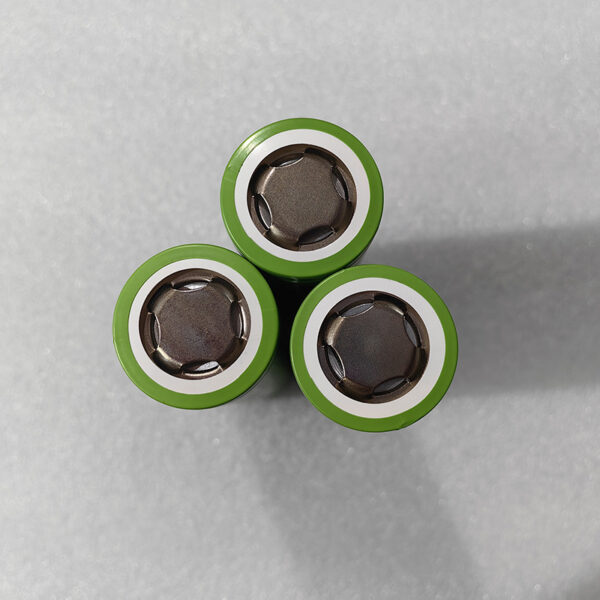
The 18650 form factor (18mm diameter × 65mm length) offers manufacturers several distinct advantages for solar storage applications. Its standardized dimensions enable modular system design, while the cylindrical shape provides superior mechanical strength compared to pouch or prismatic cells. When combined with LFP chemistry, these cells achieve cycle life exceeding 6,000 cycles at 90% depth of discharge, making them ideal for daily solar cycling patterns.
Technical Advantages for Solar Storage Manufacturers
Thermal Stability: LFP cells operate safely within a temperature range of -20°C to 60°C, with thermal runaway temperatures exceeding 270°C—significantly higher than NMC or NCA chemistries. This inherent safety reduces the need for complex thermal management systems in residential and commercial BESS (Battery Energy Storage System) installations.
Zero Swelling Design: Advanced 18650 LFP cells incorporate multiple engineering solutions to eliminate swelling:
- Solid electrolyte interphase (SEI) stabilization additives
- Optimized electrode pressure management within the steel casing
- Enhanced venting mechanisms for exceptional conditions
- Precision manufacturing tolerances maintaining cell dimensional integrity
Compliance Ready: For manufacturers targeting European, North American, and Australian markets, LFP 18650 cells must meet stringent certification requirements including CE, UL 1973, UL 9540A, and IEC 62619 standards. The 2026 EU Battery Regulation now mandates digital battery passports, requiring full supply chain transparency and lifecycle data tracking.
Real-World Implementation Case Study
A commercial solar installation in Australia deployed 500 kWh of LFP 18650-based storage in 2025. After 18 months of operation with daily cycling, the system demonstrated zero measurable cell swelling, maintaining 94% capacity retention. The modular 18650 configuration allowed individual cell replacement without system downtime, reducing maintenance costs by 40% compared to prismatic cell alternatives.
Key Procurement Considerations for Manufacturers
When sourcing LFP 18650 cells for solar storage production, manufacturers should prioritize:
- Cell Consistency: Request capacity matching within ±2% and internal resistance variance below 3mΩ for optimal pack performance
- Cycle Life Verification: Demand third-party testing reports confirming 6,000+ cycles at 25°C ambient conditions
- Swelling Test Data: Require accelerated aging test results demonstrating dimensional stability over 5-year equivalent cycling
- Supply Chain Compliance: Verify supplier adherence to emerging battery passport requirements and responsible sourcing standards
- Technical Support: Ensure supplier provides integration guidance, BMS compatibility documentation, and warranty terms aligned with solar storage project lifecycles
Why Partner with Established Chinese Manufacturers
China remains the global hub for LFP cylindrical cell production, offering manufacturers competitive pricing without compromising quality. Leading suppliers provide comprehensive support including custom cell grading, pack design consultation, and regulatory documentation for target markets. For manufacturers seeking reliable partnerships, visiting established battery manufacturers in China enables direct facility audits and quality verification.
Explore comprehensive cylindrical battery cell solutions at https://cnsbattery.com/products-3/cylindrical-battery-cell/ and discover how established manufacturers can support your solar storage production needs. For detailed supplier verification and compliance documentation, reference https://cnsbattery.com/battery-manufacturers-in-china/ to identify partners meeting international standards.
Looking Ahead: 2026 Market Dynamics
With LFP battery electrolyte demand projected to reach 326-360 million tons globally in 2026, manufacturers should secure supply agreements early to avoid potential shortages. The transition from document-based to data-based compliance means selecting suppliers with robust digital tracking capabilities is no longer optional—it’s a market access requirement.
For manufacturers ready to integrate zero-swelling LFP 18650 technology into their solar storage product lines, the time to act is now. Contact qualified suppliers directly at https://cnsbattery.com/contact-2/ to discuss technical specifications, compliance requirements, and volume pricing for your 2026 production plans.
The combination of proven LFP chemistry, standardized 18650 form factor, and zero-swelling engineering delivers the reliability solar storage manufacturers need to build trustworthy, long-lasting energy systems. As the industry matures, those who prioritize cell quality and supplier partnerships will capture the greatest market share in this rapidly expanding sector.


