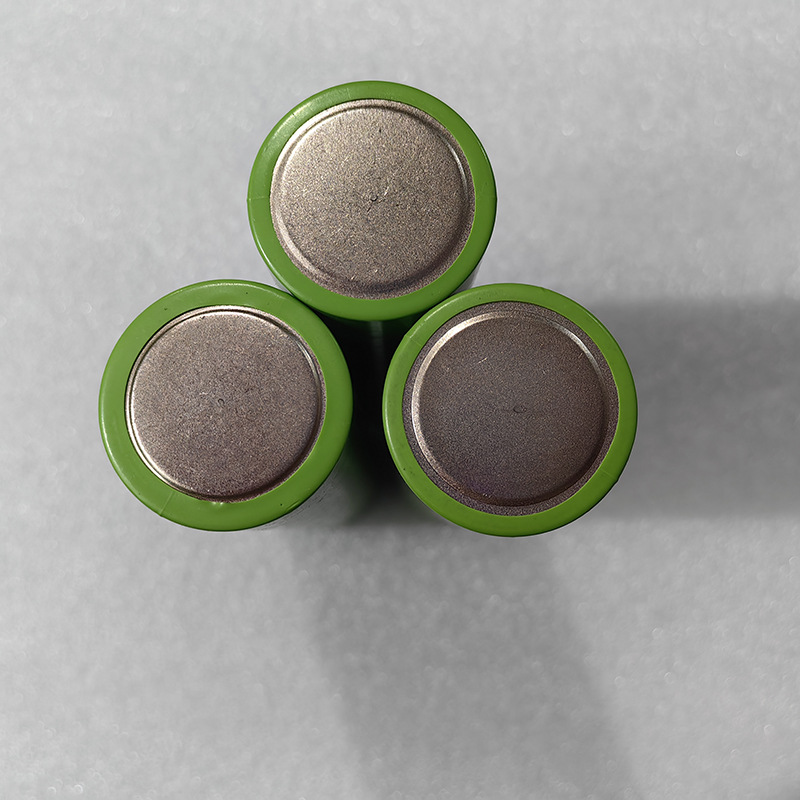
Ultimate Guide to 18650 LFP Cells for EV 2026 – Complete Low Self-Discharge Focus
Introduction
As the electric vehicle (EV) industry accelerates into 2026, lithium iron phosphate (LFP) chemistry has emerged as the dominant choice for cost-effective, safe, and reliable energy storage. Among various form factors, 18650 LFP cells stand out for their proven track record, standardized dimensions, and exceptional low self-discharge characteristics. This comprehensive guide examines why 18650 LFP cells are becoming the preferred solution for EV manufacturers and technical procurement specialists worldwide, with particular emphasis on self-discharge performance—a critical parameter often overlooked in battery selection.
Understanding 18650 LFP Cell Architecture
The 18650 designation refers to cylindrical cells measuring 18mm in diameter and 65mm in length. When configured with LFP chemistry (LiFePO₄), these cells deliver a nominal voltage of 3.2V with charging cutoff at 3.6V, distinguishing them from NCM counterparts operating at 3.7V nominal. The olivine crystal structure of LFP cathode materials provides inherent thermal stability, with thermal runaway temperatures exceeding 800°C—significantly higher than the 200-300°C threshold of三元 (NCM/NCA) chemistries.
For engineers evaluating cell options, understanding the fundamental electrochemical properties is essential. LFP’s lithium-ion activation energy ranges between 0.3-0.5 eV, resulting in moderate Li+ diffusion coefficients. While this presents challenges for high-rate discharge applications, it contributes substantially to the chemistry’s renowned stability and minimal capacity loss during storage periods.
Low Self-Discharge: The Critical Advantage
Self-discharge rate represents one of the most significant differentiators for 18650 LFP cells in EV applications. Premium-grade LFP cells demonstrate monthly self-discharge rates of 1-2% at 25°C, considerably lower than many NCM alternatives. This characteristic becomes paramount for several operational scenarios:
Fleet Vehicles with Intermittent Usage: Commercial EVs operating on irregular schedules benefit enormously from minimal standby capacity loss. Vehicles parked for extended periods maintain usable charge levels without requiring frequent top-up cycles.
Emergency Backup Systems: EVs serving dual purposes as grid backup or emergency power sources require cells that retain capacity over months of inactivity. LFP’s low self-discharge ensures readiness when critical power delivery becomes necessary.
Supply Chain and Inventory Management: For manufacturers and distributors, reduced self-discharge translates to lower inventory degradation costs. Cells can be stored for 6-12 months with minimal capacity impact, optimizing procurement cycles and reducing waste.
The underlying mechanism stems from LFP’s stable crystal structure and reduced electrolyte decomposition at resting voltage. Unlike high-nickel chemistries prone to parasitic reactions during storage, LFP maintains electrochemical equilibrium with minimal side reactions.
2026 EV Market Trends and LFP Adoption
Industry data indicates accelerating LFP penetration across global EV segments. Major manufacturers including LG Energy Solution and BYD have announced substantial LFP capacity expansions throughout 2026, with projections suggesting LFP will comprise over 80% of certain model lineups by 2027. This shift reflects growing recognition of LFP’s total cost of ownership advantages, particularly when factoring in reduced degradation and extended cycle life exceeding 3,000-5,000 full cycles.
The cylindrical 18650 format maintains relevance despite emerging larger formats like 4680 cells. Established manufacturing infrastructure, proven safety records, and compatibility with existing pack designs ensure continued demand. For technical procurement teams, 18650 LFP cells offer supply chain maturity and competitive pricing from multiple qualified manufacturers.
Technical Selection Criteria for Engineers
When specifying 18650 LFP cells for EV applications, consider these essential parameters:
Capacity Range: Quality 18650 LFP cells typically deliver 1,500-2,000mAh per cell. Higher capacity variants exist but may compromise cycle life or thermal performance.
Continuous Discharge Rate: Evaluate C-rate requirements against motor specifications. Most automotive-grade 18650 LFP cells support 3-5C continuous discharge with pulse capabilities reaching 10C.
Operating Temperature: Verify performance across expected environmental conditions. LFP chemistry demonstrates superior high-temperature stability but requires thermal management for sub-zero operation.
Self-Discharge Specification: Request documented monthly self-discharge rates at various temperatures. Premium cells should demonstrate ≤2% per month at 25°C storage conditions.
Certification Compliance: Ensure cells meet relevant safety standards including UN38.3, IEC62133, and automotive-specific qualifications such as AEC-Q200.
Sourcing from Qualified Chinese Manufacturers
China remains the global center for LFP cell production, offering comprehensive manufacturing capabilities and competitive pricing. When evaluating suppliers, prioritize manufacturers with demonstrated EV-grade production experience, robust quality management systems, and transparent technical documentation.
For detailed product specifications and technical consultations, explore comprehensive cylindrical battery cell offerings at CNS Battery’s cylindrical battery cell product page. Their portfolio includes automotive-grade 18650 LFP variants optimized for low self-discharge applications.
Establishing direct communication with manufacturers facilitates customized solutions addressing specific project requirements. Technical teams can discuss capacity grading, matching protocols, and packaging options tailored to EV integration needs. Visit CNS Battery’s contact page to initiate supplier qualification discussions.
For comprehensive manufacturer verification and industry insights, reference CNS Battery’s guide to battery manufacturers in China, which provides valuable context for supplier evaluation and due diligence processes.
Conclusion
The convergence of mature 18650 manufacturing, advancing LFP chemistry, and growing EV market demand creates compelling opportunities for technical teams specifying battery solutions in 2026. Low self-discharge characteristics distinguish quality LFP cells, delivering tangible benefits across fleet operations, inventory management, and total cost of ownership calculations.
Engineers and procurement specialists who prioritize verified self-discharge specifications, establish relationships with qualified manufacturers, and implement appropriate thermal management strategies will maximize the advantages these cells offer. As the EV industry continues its rapid evolution, 18650 LFP cells represent a proven, reliable foundation for next-generation electric mobility solutions.