
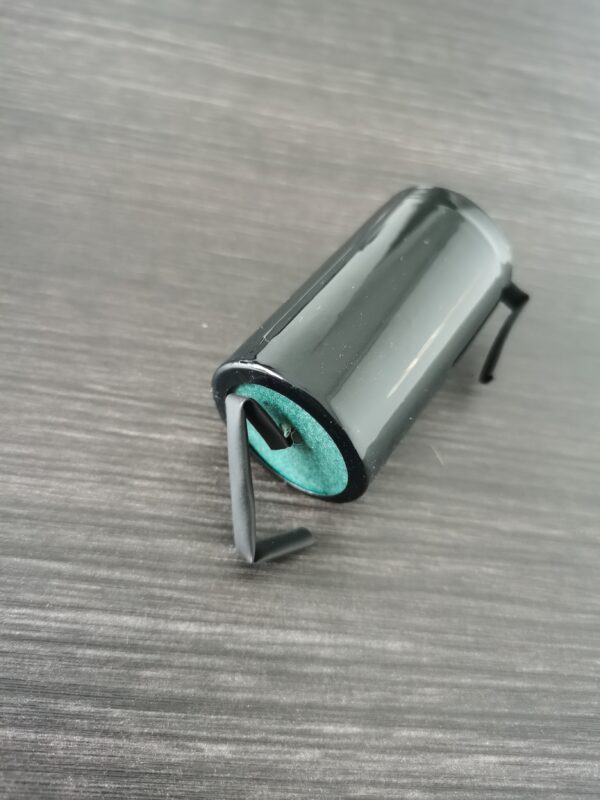
Lithium Sulfur Dioxide Battery for Construction Equipment Sensors
Introduction
Construction equipment operates in some of the most demanding environments imaginable. From extreme temperatures to constant vibration, the power sources for critical sensors must deliver unwavering reliability. Lithium Sulfur Dioxide (Li-SO2) primary batteries have emerged as the optimal solution for powering construction equipment sensors, offering exceptional performance where other battery chemistries fail. This article examines why Li-SO2 technology represents the industry standard for construction sensor applications.
Understanding Li-SO2 Battery Technology
Lithium Sulfur Dioxide batteries are non-rechargeable primary cells utilizing lithium metal as the anode and liquid sulfur dioxide as both cathode and electrolyte solvent. This unique chemistry delivers several distinctive advantages:
- High Energy Density: Li-SO2 cells provide 280-300 Wh/kg, significantly outperforming alkaline and lithium-ion alternatives
- Wide Temperature Range: Operational capability from -55°C to +70°C ensures functionality in Arctic conditions or desert heat
- Low Self-Discharge: Less than 1% annual self-discharge rate enables 10+ year shelf life
- Stable Voltage Platform: Consistent 2.8-3.0V output throughout discharge cycle
Why Construction Equipment Sensors Demand Li-SO2
Construction machinery sensors monitor critical parameters including hydraulic pressure, engine temperature, GPS positioning, and structural integrity. These applications require power sources that can withstand:
Extreme Environmental Conditions
Construction sites expose equipment to temperature fluctuations, moisture, dust, and mechanical shock. Li-SO2 batteries feature hermetically sealed stainless steel or aluminum cases that provide IP67-level protection against environmental ingress. The liquid SO2 electrolyte remains functional even when frozen, unlike aqueous electrolyte systems.
Long-Term Reliability Requirements
Many construction equipment sensors operate continuously for years without battery replacement opportunities. Li-SO2 primary batteries eliminate maintenance intervals, reducing total cost of ownership. The predictable discharge curve enables accurate remaining capacity estimation through voltage monitoring.
High Pulse Current Capability
Modern sensors often require periodic high-current pulses for data transmission via cellular or satellite networks. Li-SO2 cells deliver pulse currents up to 5A without significant voltage depression, ensuring reliable communication even in remote locations.
Technical Specifications for Construction Applications
When selecting Li-SO2 batteries for construction equipment sensors, consider these critical parameters:
| Parameter | Specification |
|---|---|
| Nominal Voltage | 3.0V |
| Operating Temperature | -55°C to +70°C |
| Storage Temperature | -60°C to +85°C |
| Self-Discharge Rate | <1%/year at 20°C |
| Service Life | 10-15 years |
| Safety Standards | UN38.3, IEC60086-4 |
Safety and Compliance Considerations
Li-SO2 batteries contain pressurized liquid SO2, requiring careful handling and transportation compliance. All cells must meet UN38.3 transportation testing requirements. For construction equipment integration, ensure batteries include:
- Pressure relief vents for thermal runaway prevention
- PTC devices for short-circuit protection
- Compliance with ATEX/IECEx for hazardous location applications
Proper battery management systems should monitor temperature and voltage to prevent operation outside safe parameters.
Integration Best Practices
Successful Li-SO2 battery integration in construction equipment requires attention to:
- Connector Selection: Use vibration-resistant connectors with proper sealing
- Thermal Management: Ensure adequate heat dissipation in enclosed compartments
- Voltage Monitoring: Implement low-voltage warnings before complete discharge
- Replacement Protocols: Establish clear procedures for authorized personnel only
Cost-Benefit Analysis
While Li-SO2 batteries carry higher initial costs than alkaline alternatives, the total cost of ownership favors Li-SO2 for construction applications:
- Reduced Maintenance: Eliminate scheduled battery replacement visits
- Minimized Downtime: Prevent sensor failures during critical operations
- Extended Equipment Life: Enable sensors to match equipment lifecycle
- Lower Labor Costs: Reduce technician dispatch requirements
ROI calculations typically show Li-SO2 becoming cost-effective within 18-24 months for most construction sensor deployments.
Future Outlook
The construction industry continues adopting IoT sensors for predictive maintenance and operational optimization. Li-SO2 battery technology evolves alongside these demands, with manufacturers developing:
- Higher capacity cells for power-intensive sensors
- Enhanced safety features for autonomous equipment
- Improved recycling programs for end-of-life management
Conclusion
Lithium Sulfur Dioxide batteries represent the premier power solution for construction equipment sensors, delivering unmatched reliability in extreme conditions. Their combination of wide temperature operation, long service life, and high pulse capability makes them indispensable for modern construction machinery.
For detailed product specifications and technical support, visit our primary battery product page. Our engineering team stands ready to assist with custom battery solutions for your construction equipment applications. Contact us at https://cnsbattery.com/primary-battery-contact-us/ for consultation on your specific requirements.
Selecting the right battery chemistry ensures your construction equipment sensors perform reliably throughout their operational lifecycle. Li-SO2 technology provides the foundation for dependable construction site monitoring systems.
