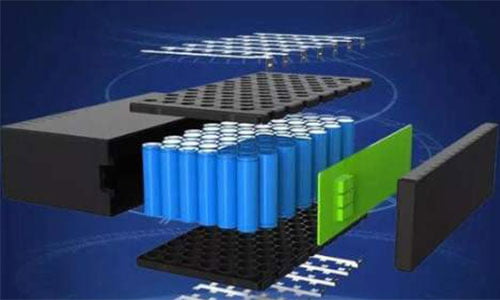
Buy Wholesale 18650 LFP Cells Bulk: High Discharge Rate Performance for Solar Storage Guaranteed
The global shift toward renewable energy has intensified demand for reliable, high-performance battery solutions. Among these, 18650 LFP (Lithium Iron Phosphate) cells have emerged as the preferred choice for solar storage systems, electric vehicles, and industrial backup power. For engineers and technical procurement specialists seeking wholesale suppliers, understanding the technical advantages, performance metrics, and sourcing considerations is critical to making informed bulk purchasing decisions.
Why 18650 LFP Cells Dominate Solar Storage Applications
LFP chemistry offers inherent safety advantages over traditional NMC or NCA lithium-ion batteries. The phosphate-based cathode structure provides exceptional thermal stability, reducing risks of thermal runaway even under high-temperature operating conditions. For solar energy storage systems that operate continuously across varying environmental conditions, this stability translates to longer system lifespan and reduced maintenance costs.
The 18650 cylindrical form factor remains industry-standard due to its proven manufacturing consistency, efficient thermal management capabilities, and compatibility with existing battery management systems (BMS). When purchased in bulk from verified manufacturers, these cells deliver cost-per-watt-hour advantages that significantly improve project ROI.
Key Technical Specifications for High Discharge Rate Performance
Technical buyers must evaluate several critical parameters when sourcing wholesale 18650 LFP cells:
Continuous Discharge Rate: Premium LFP cells support continuous discharge rates between 1C to 3C, with pulse discharge capabilities reaching 5C for short durations. For solar storage applications requiring rapid energy release during peak demand periods, selecting cells with appropriate C-rate specifications ensures system reliability.
Cycle Life: Quality 18650 LFP cells deliver 2,000 to 5,000 full charge-discharge cycles at 80% depth of discharge. This exceeds traditional lithium-ion alternatives by 2-3 times, making them economically superior for long-term solar installations.
Operating Temperature Range: Industrial-grade LFP cells maintain performance across -20°C to 60°C ambient temperatures. This wide operating window is essential for outdoor solar installations exposed to seasonal variations.
Energy Density: While LFP chemistry offers lower volumetric energy density (~90-120 Wh/kg) compared to NMC alternatives, the trade-off favors safety and longevity—critical factors for stationary storage applications where weight constraints are minimal.
Wholesale Sourcing Considerations for Technical Procurement
When evaluating bulk suppliers, technical procurement teams should verify manufacturer certifications including ISO 9001, UN 38.3 transportation compliance, and IEC 62133 safety standards. Reputable Chinese battery manufacturers have established comprehensive quality control systems that meet international requirements while maintaining competitive pricing structures.
Direct manufacturer partnerships eliminate intermediary markups and provide access to technical support throughout the product lifecycle. This relationship becomes particularly valuable when customizing battery packs for specific solar storage configurations or integrating cells into proprietary BMS architectures.
For detailed product specifications and technical documentation, visit our cylindrical battery cell catalog to review available 18650 LFP options with verified performance data.
Quality Assurance and Performance Guarantees
Wholesale purchases require confidence in batch consistency. Leading manufacturers implement automated production lines with real-time quality monitoring, ensuring cell-to-cell voltage variation remains below 10mV within production batches. This consistency simplifies pack assembly and extends overall system lifespan.
Performance guarantees should include written specifications for capacity retention after defined cycle counts, warranty periods covering manufacturing defects, and technical support availability for integration challenges. Established manufacturers typically offer 3-5 year warranties on LFP cells with capacity retention guarantees exceeding 80% after 2,000 cycles.
Integration Best Practices for Solar Storage Systems
Successful solar storage deployment requires proper cell balancing, thermal management, and BMS configuration. Technical teams should request manufacturer application notes detailing recommended charging protocols, maximum series/parallel configurations, and thermal dissipation requirements for high-discharge applications.
For comprehensive manufacturer verification and sourcing guidance, explore resources on battery manufacturers in China to identify qualified suppliers with proven export capabilities and technical support infrastructure.
Conclusion: Strategic Bulk Purchasing for Long-Term Value
The decision to buy wholesale 18650 LFP cells extends beyond immediate cost considerations. Technical buyers must balance performance specifications, manufacturer reliability, and long-term support capabilities to ensure solar storage systems deliver projected returns over 10-15 year operational lifespans.
Partnering with verified manufacturers provides access to consistent quality, technical documentation, and supply chain stability essential for large-scale renewable energy projects. As the global energy transition accelerates, securing reliable LFP cell supplies through established wholesale channels becomes a strategic advantage for system integrators and project developers.
For direct manufacturer communication and bulk pricing inquiries, contact our technical sales team to discuss your specific solar storage requirements and receive customized quotations based on volume commitments.
Technical specifications and performance data should be verified against current manufacturer documentation before final procurement decisions. All battery installations must comply with local electrical codes and safety regulations.