
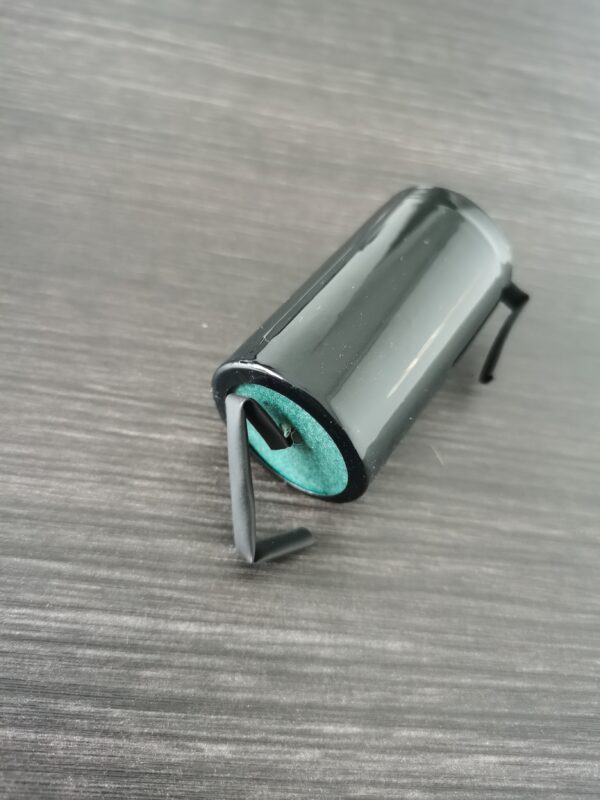
Li-S Battery for Volcanic Activity Monitoring Sensors
Introduction
Volcanic activity monitoring represents one of the most demanding applications for remote sensor systems. Operating in extreme environments characterized by high temperatures, corrosive gases, and limited accessibility, these sensors require power sources that deliver exceptional reliability, extended operational life, and stable performance across wide temperature ranges. While Lithium-Sulfur (Li-S) battery technology continues to evolve for energy storage applications, lithium primary battery systems—particularly Lithium Thionyl Chloride (Li-SOCl₂) chemistry—remain the industry standard for volcanic monitoring deployments. This article examines the technical requirements, battery chemistry considerations, and selection criteria for engineers and procurement specialists involved in geophysical monitoring projects.
Technical Requirements for Volcanic Monitoring Systems
Volcanic monitoring sensors operate under uniquely challenging conditions that demand rigorous power system specifications:
Temperature Extremes: Sensor nodes positioned near volcanic vents experience ambient temperatures ranging from -40°C to +85°C, with occasional spikes beyond these limits. Battery chemistry must maintain voltage stability and capacity delivery throughout this range without thermal runaway risks.
Extended Deployment Cycles: Remote volcanic locations make battery replacement costly and hazardous. Monitoring systems typically require 5-10 year operational lifespans without maintenance intervention, demanding ultra-low self-discharge rates below 1% per year.
Pulse Power Capability: Seismic sensors, gas analyzers, and GPS transmitters generate intermittent high-current pulses (up to 2A for 100ms) while maintaining microamp-level standby consumption. Battery systems must handle these load profiles without significant voltage depression.
Environmental Resistance: Corrosive volcanic gases (SO₂, H₂S, CO₂) and high humidity levels require hermetically sealed battery construction with corrosion-resistant terminal materials.
Lithium Primary Battery Chemistry Analysis
For volcanic monitoring applications, lithium primary batteries offer distinct advantages over rechargeable alternatives:
Li-SOCl₂ (Lithium Thionyl Chloride): This chemistry delivers the highest energy density among commercial lithium primary cells (500-700 Wh/kg). The bobbin-type construction provides ultra-low self-discharge, enabling 10+ year shelf and operational life. Operating temperature range spans -55°C to +85°C, with specialized variants extending to +150°C for downhole applications.
Voltage Characteristics: Nominal voltage of 3.6V remains stable throughout 80% of discharge cycle, simplifying power management circuit design. End-of-life voltage drop provides clear replacement indication.
Safety Considerations: Unlike Li-S rechargeable systems, primary lithium batteries eliminate thermal runaway risks associated with overcharge conditions. Hermetic glass-to-metal seals prevent electrolyte leakage in high-temperature environments.
Capacity Options: Available from 0.5 Ah to 38 Ah, enabling system designers to match battery capacity precisely to mission requirements without excessive weight penalties.
System Integration Considerations
Engineers designing volcanic monitoring networks must account for several integration factors:
Hybrid Layer Configuration: For applications requiring high pulse currents, hybrid designs combining bobbin-type Li-SOCl₂ cells with supercapacitors or HLC (Hybrid Layer Capacitor) technology provide optimal performance. This architecture separates energy storage from power delivery functions.
Parallel/Series Configurations: Multiple cell arrangements increase capacity or voltage while maintaining system redundancy. Proper balancing circuits prevent reverse charging during end-of-life scenarios.
Communication Protocols: Modern monitoring systems incorporate telemetry for battery status reporting, enabling predictive maintenance scheduling before critical failure occurs.
Regulatory Compliance: UN 38.3 certification ensures safe transportation to remote monitoring sites. IEC 60086 compliance guarantees performance specifications meet international standards.
Procurement Guidelines for Technical Buyers
When sourcing batteries for volcanic monitoring projects, consider these evaluation criteria:
Manufacturer Qualification: Verify ISO 9001 certification and track record in extreme environment applications. Request acceleration testing data demonstrating performance under volcanic conditions.
Technical Documentation: Comprehensive datasheets should include discharge curves at multiple temperatures, pulse load specifications, and safety test results.
Supply Chain Security: Ensure consistent availability for multi-year deployment cycles. Long-term product roadmaps prevent obsolescence risks during extended monitoring campaigns.
Cost Optimization: Total cost of ownership includes replacement logistics, not just unit price. Higher-quality cells reducing replacement frequency deliver superior lifecycle economics.
Conclusion
While emerging Li-S rechargeable technology shows promise for future energy storage applications, current volcanic monitoring systems depend on proven lithium primary battery technology for mission-critical reliability. Li-SOCl₂ chemistry delivers the optimal combination of energy density, temperature performance, and operational longevity required for these demanding deployments. Engineers and procurement specialists should prioritize manufacturers with demonstrated expertise in extreme environment applications and comprehensive technical support capabilities.
For detailed technical specifications and application engineering support regarding lithium primary batteries for volcanic monitoring and other extreme environment sensors, please visit our primary battery product portfolio. Our technical team provides customized solutions matching your specific deployment requirements and operational constraints.
To discuss your volcanic monitoring power system requirements with our engineering specialists, contact us directly for application-specific recommendations and quotation support.
