
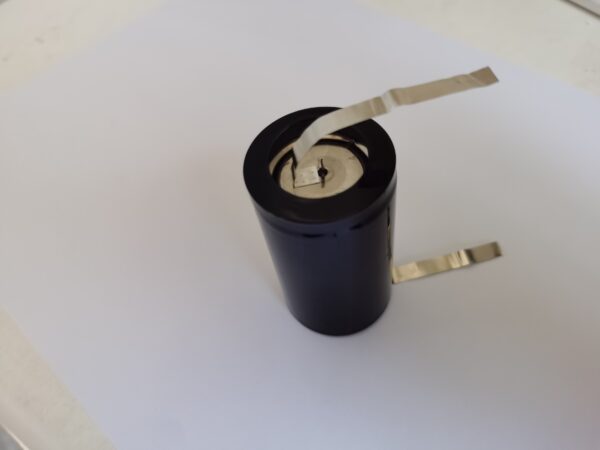
Romania Smart Meter Li-SOCl₂ Battery | CE Certified
Powering Romania’s AMI Infrastructure with Reliable Primary Lithium Technology
As Romania accelerates its smart metering deployment across Bucharest, Cluj-Napoca, and other major urban centers, the demand for robust, long-life power solutions has become critical. For engineers and technical procurement specialists evaluating battery technologies for Advanced Metering Infrastructure (AMI), Lithium-Thionyl Chloride (Li-SOCl₂) primary batteries represent the industry gold standard. This technical analysis examines why CE-certified Li-SOCl₂ batteries are the optimal choice for Romanian smart meter applications.
Technical Architecture of Li-SOCl₂ Chemistry
Li-SOCl₂ batteries operate on a lithium metal anode and thionyl chloride cathode system, delivering a nominal voltage of 3.6V—the highest among commercial primary lithium chemistries. The electrochemical reaction follows:
4Li + 2SOCl₂ → 4LiCl + S + SO₂
This chemistry achieves exceptional energy density up to 590 Wh/kg and 1100 Wh/L, making it ideal for space-constrained metering devices requiring 10-15 year operational lifespans.
Key Performance Parameters for Smart Metering
| Parameter | Specification |
|---|---|
| Nominal Voltage | 3.6V |
| Operating Temperature | -55°C to +85°C |
| Self-Discharge Rate | <1% per year at 25°C |
| Capacity Range | 400mAh to 10,000Ah |
| Shelf Life | 10+ years |
For Romanian utilities operating in continental climate conditions with seasonal extremes from -20°C winter lows to +40°C summer highs, Li-SOCl₂ batteries maintain consistent performance where alternative chemistries fail. Field data demonstrates capacity retention exceeding 97% at 0°C and 95% at 60°C ambient conditions.
CE Certification Compliance for European Markets
CE certification validates conformity with European Union safety and environmental directives. For primary lithium batteries deployed in Romania (an EU member state), compliance encompasses:
EN 60086 Series Standards: Primary battery safety requirements covering electrical, mechanical, and environmental testing protocols.
EU Battery Directive 2006/66/EC: Regulations governing hazardous substance restrictions, labeling requirements, and end-of-life recycling obligations.
UN 38.3 Transportation Testing: Mandatory certification for lithium battery shipping, including altitude simulation, thermal cycling, vibration, and external short-circuit testing.
CE-marked Li-SOCl₂ batteries provide Romanian meter manufacturers with documented compliance, reducing regulatory risk and accelerating time-to-market for AMI deployments across Eastern European infrastructure projects.
Battery Configuration Options for AMI Applications
Li-SOCl₂ technology offers two distinct construction types, each suited for different metering load profiles:
Bobbin-Type (Energy-Optimized): Models like ER14505 deliver 2,400mAh capacity with ultra-low self-discharge. Ideal for standard residential meters with periodic transmission intervals (hourly or daily data uploads).
Spiral-Wound (Power-Optimized): Models like ER14505M provide 2,000mAh capacity with enhanced pulse current capability (up to 100mA peaks). Recommended for commercial/industrial meters requiring frequent communications or real-time monitoring functions.
Some configurations integrate hybrid layer capacitors (HLC) to support GSM/GPRS module transmission pulses without voltage sag, addressing the inherent voltage delay phenomenon in pure Li-SOCl₂ cells after extended storage periods.
Romania-Specific Deployment Considerations
Romania’s smart metering rollout follows EU Directive 2019/944 requirements for consumer energy monitoring. Technical procurement teams should evaluate:
- Temperature Resilience: Romanian continental climate demands batteries rated for -40°C to +70°C operational ranges, particularly for outdoor meter installations in Transylvania and Moldavia regions.
- Communication Protocol Compatibility: Battery capacity must support DLMS/COSEM protocol transmissions, with typical AMI meters consuming 10-50μA average current plus 100-500mA transmission pulses.
- Replacement Cycle Economics: With 15-year battery life exceeding typical meter replacement intervals, total cost of ownership favors premium Li-SOCl₂ solutions over lower-capacity alternatives requiring mid-life battery changes.
Quality Assurance and Supplier Selection
When sourcing CE-certified Li-SOCl₂ batteries for Romanian smart meter projects, technical buyers should verify:
- Third-party test reports from accredited laboratories (TÜV, SGS, or equivalent)
- Batch traceability with date coding and production lot documentation
- Warranty terms covering capacity guarantees and failure rate commitments
- Supply chain stability for multi-year deployment schedules
Established manufacturers provide over 1.7 billion smart meter batteries globally, demonstrating proven reliability at utility scale.
Conclusion: Strategic Power Partnership for Romanian AMI
Li-SOCl₂ primary batteries represent the technically superior solution for Romania’s smart metering infrastructure, combining CE certification compliance, exceptional energy density, and proven field performance across European climate zones. For engineering teams specifying power systems and procurement professionals evaluating supplier partnerships, prioritizing certified Li-SOCl₂ technology ensures long-term meter reliability and regulatory compliance.
To explore CE-certified primary lithium battery solutions for your Romanian smart meter projects, visit our product portfolio for comprehensive technical specifications and application notes. Our engineering team supports technical evaluation and customization requirements—contact us to discuss your AMI power architecture needs.
Technical Note: All specifications referenced comply with IEC 60086-4 safety standards and EU Battery Regulation 2023/1542 updates effective 2026. Temperature performance data based on standardized discharge testing at 1mA to 2.0V cutoff.
