
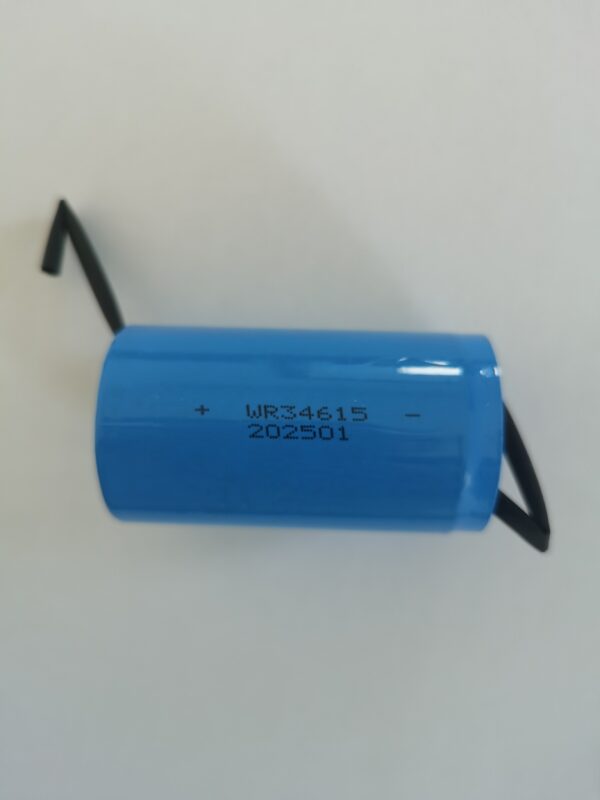
Li-SOCl₂ Battery for Veterinary Medical Monitoring Devices
The rapid advancement of veterinary medical technology has created unprecedented demand for reliable, long-lasting power solutions. Among various battery chemistries, Li-SOCl₂ (Lithium Thionyl Chloride) batteries have emerged as the optimal choice for veterinary medical monitoring devices. This article explores why this primary lithium battery technology is transforming animal healthcare monitoring systems worldwide.
Understanding Li-SOCl₂ Battery Technology
Li-SOCl₂ batteries belong to the primary lithium metal battery family, featuring lithium as the anode and thionyl chloride as both cathode and electrolyte solvent. This unique chemistry delivers exceptional energy density (up to 500 Wh/kg), ultra-low self-discharge rates (less than 1% per year), and stable voltage output throughout discharge cycles. Unlike rechargeable lithium-ion batteries, primary lithium batteries offer superior shelf life and operate reliably in extreme temperatures ranging from -55°C to +85°C.
The electrochemical reaction produces consistent 3.6V nominal voltage, making Li-SOCl₂ batteries ideal for low-power, long-duration applications where battery replacement is impractical or costly.
Critical Requirements for Veterinary Monitoring Devices
Veterinary medical monitoring equipment faces unique operational challenges:
- Extended Deployment Periods: Implantable or wearable monitors must function continuously for months or years without maintenance
- Temperature Variability: Devices operate across diverse environments, from clinical settings to outdoor animal habitats
- Size Constraints: Miniaturization is essential for small animal applications without compromising performance
- Safety Standards: Medical-grade reliability is non-negotiable for animal health monitoring
- Cost Efficiency: Veterinary practices require predictable total cost of ownership
Why Li-SOCl₂ Batteries Excel in Veterinary Applications
1. Unmatched Longevity
The ultra-low self-discharge characteristic enables Li-SOCl₂ batteries to maintain 90% capacity after 10 years of storage. For veterinary implantable monitors tracking cardiac function, glucose levels, or activity patterns, this translates to extended service intervals and reduced animal stress from repeated procedures.
2. Stable Performance Across Temperature Ranges
Veterinary devices may operate in refrigerated storage, ambient clinic environments, or outdoor field conditions. Li-SOCl₂ chemistry maintains consistent voltage output regardless of temperature fluctuations, ensuring accurate sensor readings and reliable data transmission.
3. High Energy Density in Compact Form Factors
Space-constrained veterinary devices benefit from Li-SOCl₂ batteries’ superior volumetric energy density. Bobbin-type and spiral-wound constructions offer flexibility for custom device designs while maximizing operational runtime.
4. Medical-Grade Reliability
Hermetically sealed construction prevents electrolyte leakage and ensures biocompatibility for implantable applications. The passivation layer on lithium anodes provides additional safety against thermal runaway scenarios.
Technical Selection Considerations for Engineers
When specifying Li-SOCl₂ batteries for veterinary monitoring systems, engineers should evaluate:
- Pulse Current Capability: Match battery discharge profiles to device transmission intervals
- Capacity Requirements: Calculate total energy consumption across expected device lifetime
- Operating Temperature Range: Verify performance specifications match deployment environments
- Certification Compliance: Ensure batteries meet relevant medical device standards (ISO 13485, IEC 60086)
- Supplier Qualification: Partner with manufacturers offering traceability and quality documentation
Procurement Best Practices for Technical Buyers
Technical procurement professionals should prioritize suppliers with proven medical device experience, comprehensive testing documentation, and responsive technical support. Long-term supply agreements help secure consistent battery specifications across production batches, critical for regulatory compliance and device certification.
For detailed product specifications and technical consultation, explore our comprehensive primary battery solutions. Our engineering team supports veterinary device manufacturers with custom battery configurations and application-specific optimization.
Future Outlook
As veterinary telemedicine and remote animal monitoring expand globally, Li-SOCl₂ battery technology will continue enabling next-generation healthcare solutions. Emerging applications include wildlife tracking collars, livestock health monitors, and companion animal implantable devices—all benefiting from primary lithium battery reliability.
Conclusion
Li-SOCl₂ batteries represent the gold standard for veterinary medical monitoring devices, combining exceptional energy density, long-term stability, and medical-grade safety. For engineers and procurement specialists evaluating power solutions, understanding this technology’s advantages ensures optimal device performance and animal welfare outcomes.
Ready to discuss your specific veterinary device power requirements? Contact our technical team for personalized consultation and quotation support.
This article provides technical insights for engineering and procurement professionals evaluating battery solutions for veterinary medical applications. All specifications should be verified against current manufacturer documentation and applicable regulatory requirements.
