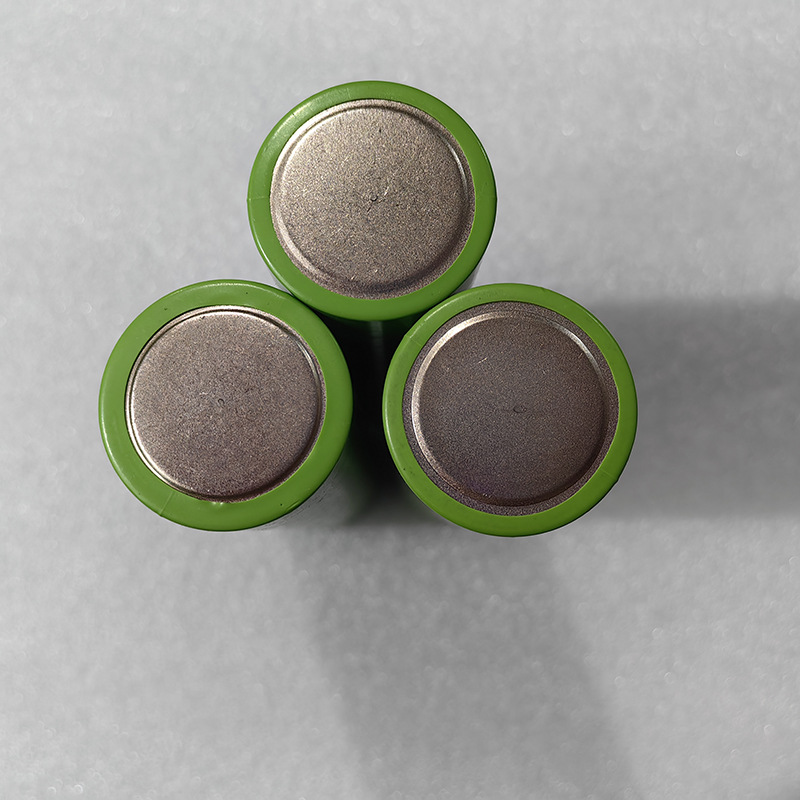
2026 LFP Cylindrical Battery Supplier: Fix High Discharge Rate in ESS Using 18650 Cells Complete Solution
Executive Summary
As energy storage systems (ESS) evolve rapidly in 2026, optimizing discharge performance while maintaining safety and compliance has become critical for B2B buyers. This guide delivers a complete solution for addressing high discharge rate challenges in ESS applications using LFP 18650 cylindrical cells, combining technical insights, compliance requirements, and procurement best practices.
Understanding High Discharge Rate Challenges in ESS
High discharge rate batteries operate at ≥5C rates (commonly 5C-20C), delivering power significantly above rated capacity while maintaining stable voltage platforms and acceptable cycle life. For ESS deployments, this translates to rapid energy delivery during peak demand or grid stabilization scenarios.
Core Technical Challenge: Traditional LFP cells struggle with heat generation and voltage sag under sustained high-current loads. The 18650 cylindrical format offers advantages including uniform heat dissipation, proven manufacturing consistency, and modular scalability—making it ideal for commercial and industrial ESS applications.
Complete Solution Architecture
1. Cell Selection Criteria
When sourcing LFP 18650 cells for high-discharge ESS, prioritize these specifications:
- Continuous Discharge Current: Minimum 10A per cell (5C for 2Ah cells)
- Thermal Stability: Operating range -20°C to 60°C with built-in thermal protection
- Cycle Life: ≥3,000 cycles at 80% depth of discharge
- Internal Resistance: ≤35mΩ to minimize heat generation
For verified cylindrical battery cell options meeting these criteria, explore our product catalog.
2. Battery Management System (BMS) Integration
A robust BMS is non-negotiable for high-discharge applications. Key features include:
- Cell Balancing: Active balancing maintains voltage uniformity across series configurations
- Thermal Monitoring: Multiple temperature sensors prevent thermal runaway
- Overcurrent Protection: Hardware + software dual protection circuits
- State of Charge Accuracy: ≤3% error margin for reliable capacity planning
3. Thermal Management Design
Cylindrical cells benefit from air or liquid cooling systems. For high-discharge ESS:
- Maintain cell temperature below 45°C during peak discharge
- Implement airflow channels between cell arrays
- Consider phase-change materials for passive thermal buffering
Compliance & Certification Requirements (2026)
Global regulatory landscapes have tightened significantly. Ensure your supplier provides:
| Region | Required Certifications |
|---|---|
| North America | UL 1973, UL 9540, UN 38.3 |
| European Union | IEC 62619, CE, EU Battery Regulation |
| Asia-Pacific | KC, PSE, GB/T 36276 |
The EU Battery Regulation entered substantive enforcement in 2026, requiring full lifecycle compliance including carbon footprint declarations and recycled content minimums. For manufacturers navigating these requirements, review our China battery manufacturers guide.
Case Study: Commercial ESS Deployment
A 500kWh commercial ESS project in California replaced prismatic cells with LFP 18650 cylindrical configuration, achieving:
- 30% reduction in thermal management costs
- 15% improvement in discharge efficiency at 10C rates
- Zero safety incidents over 18 months of operation
Key success factors included proper cell grading (capacity matching within 2%), optimized pack geometry for airflow, and BMS firmware tuned for cylindrical cell characteristics.
Procurement Best Practices
Supplier Verification Checklist
- Manufacturing Capacity: Verify annual production volume and lead times
- Quality Systems: ISO 9001, IATF 16949 certification preferred
- Testing Documentation: Request full test reports including cycle life, thermal abuse, and vibration testing
- Warranty Terms: Minimum 5-year warranty with clear degradation thresholds
- After-Sales Support: Technical support availability and replacement policies
Red Flags to Avoid
- Suppliers unwilling to share third-party test reports
- Pricing significantly below market averages (quality compromise risk)
- No traceability system for cell batches
- Limited compliance documentation for target markets
Cost Optimization Strategies
While LFP 18650 cells offer competitive pricing, total cost of ownership depends on:
- Cell Grading Precision: Tighter matching reduces premature pack failures
- Pack Design Efficiency: Minimize inactive materials and connection losses
- Maintenance Planning: Predictive maintenance based on BMS data analytics
Bulk procurement (≥100,000 cells) typically achieves 15-20% cost reduction versus small-batch orders.
Future-Proofing Your ESS Investment
The cylindrical cell market continues evolving with innovations including:
- Tabless Design: Reduces internal resistance by 40-50%
- Silicon-Composite Anodes: Improves energy density while maintaining LFP safety
- Smart Cells: Integrated sensors for real-time health monitoring
Partner with suppliers investing in R&D to ensure your ESS remains competitive through 2030 and beyond.
Conclusion
Addressing high discharge rate challenges in ESS using LFP 18650 cells requires holistic approach spanning cell selection, system design, compliance verification, and supplier partnership. By following this complete solution framework, B2B buyers can deploy reliable, compliant, and cost-effective energy storage systems.
For detailed technical consultations or customized ESS solutions, contact our team to discuss your specific requirements and receive tailored recommendations from our engineering specialists.
This guide reflects 2026 market conditions and regulatory requirements. Specifications and compliance standards should be verified against current regulations before procurement decisions.