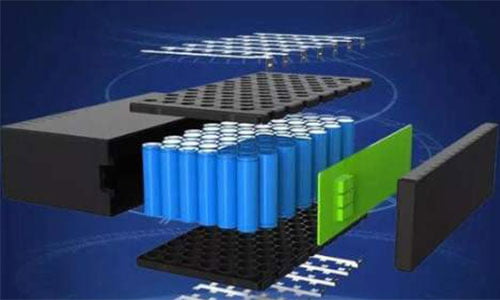
Complete Zero Swelling Issues Solution for Medical Devices Using High-Quality 21700 LFP Cells Wholesale Bulk MOQ
Introduction
Battery swelling remains one of the most critical failure modes in medical device applications, potentially compromising patient safety and device reliability. For medical equipment manufacturers seeking dependable power solutions, Lithium Iron Phosphate (LFP) chemistry in 21700 cylindrical format offers a complete zero swelling issues solution. This comprehensive guide examines why premium 21700 LFP cells represent the optimal choice for medical device applications, addressing technical specifications, safety compliance, and bulk procurement considerations for engineering teams and technical purchasers worldwide.
Understanding Battery Swelling in Medical Applications
Battery swelling, technically termed “cell expansion” or “gas generation,” occurs when internal electrochemical reactions produce gases that increase internal pressure. In medical devices—ranging from portable diagnostic equipment to implantable systems—this phenomenon poses unacceptable risks. Traditional lithium-ion chemistries using nickel-cobalt-manganese (NCM) or lithium-cobalt-oxide (LCO) cathodes are particularly susceptible to thermal runaway and gas generation under stress conditions.
The root causes include electrolyte decomposition at elevated temperatures, overcharging beyond voltage thresholds, and mechanical stress during operation. For medical devices requiring ISO 13485 compliance and FDA QMSR regulation adherence, battery reliability cannot be compromised. This is where LFP chemistry demonstrates superior performance characteristics.
Why 21700 LFP Cells Eliminate Swelling Risks
1. Intrinsic Chemical Stability
LFP cathode materials feature strong phosphorus-oxygen bonds that remain stable even at elevated temperatures exceeding 200°C. Unlike layered oxide cathodes that release oxygen when heated, LFP structures maintain integrity without gas generation. This fundamental chemical stability translates to zero swelling under normal and abnormal operating conditions.
2. Enhanced Thermal Performance
The 21700 form factor (21mm diameter × 70mm height) provides optimal surface-area-to-volume ratio for heat dissipation. Combined with LFP’s lower internal resistance, operating temperatures remain within safe thresholds even during high-current discharge cycles typical in medical equipment.
3. Extended Cycle Life
Premium 21700 LFP cells deliver 3,000-5,000 complete charge-discharge cycles while maintaining 80% capacity retention. This longevity reduces replacement frequency in critical medical applications, minimizing maintenance downtime and total cost of ownership.
4. Safety Certification Compliance
Quality LFP cells meet international safety standards including UN38.3, IEC 62133, UL 1642, and ISO 13485 requirements for medical device components. Documentation packages support regulatory submissions for FDA 510(k) and CE marking processes.
Technical Specifications for Medical Grade 21700 LFP
When evaluating suppliers for medical device applications, technical purchasers should verify the following parameters:
| Specification | Medical Grade Requirement |
|---|---|
| Nominal Capacity | 4,000-5,000 mAh |
| Nominal Voltage | 3.2V |
| Maximum Continuous Discharge | 2C-3C rate |
| Operating Temperature | -20°C to +60°C |
| Cycle Life | ≥3,000 cycles @80% DOD |
| Self-Discharge Rate | <3% per month |
| Internal Resistance | ≤35 mΩ |
Manufacturers must request comprehensive test reports including cycle life data, thermal abuse testing results, and batch consistency documentation. Reputable suppliers provide full traceability from raw materials to finished cells.
Wholesale Bulk Procurement Considerations
For medical device manufacturers scaling production, wholesale bulk purchasing offers significant advantages:
MOQ Flexibility: Established battery manufacturers accommodate varying order volumes, from prototype quantities to mass production runs. Initial orders typically start at 1,000-5,000 cells for validation, scaling to 50,000+ units for commercial production.
Quality Assurance: Bulk orders include statistical process control data, incoming quality inspection reports, and outgoing quality assurance certificates. Each production batch receives unique identification for complete traceability.
Supply Chain Security: Long-term supply agreements ensure consistent cell availability, critical for medical device production schedules. Manufacturers should verify supplier capacity, raw material sourcing, and production lead times.
Technical Support: Premium suppliers provide engineering support for battery pack design, BMS integration, and regulatory documentation assistance throughout product development cycles.
Partner Selection Criteria
Choosing the right battery manufacturer requires thorough due diligence. Verify ISO 13485 certification, production facility audits, and quality management systems. Request sample cells for independent testing before committing to large orders. Evaluate supplier track record in medical applications and request customer references from similar device categories.
For comprehensive product information and technical specifications, visit our cylindrical battery cell product page to explore available 21700 LFP options suitable for medical applications.
Implementation Best Practices
Successful integration of 21700 LFP cells into medical devices requires attention to several critical factors:
Battery Management System (BMS): Implement robust BMS with overcharge protection, over-discharge prevention, temperature monitoring, and cell balancing capabilities. Redundant safety circuits provide additional protection layers.
Mechanical Design: Accommodate minimal expansion tolerance in battery compartment design, even with zero-swelling LFP chemistry. Include ventilation pathways and thermal management features.
Testing Validation: Conduct comprehensive validation testing including environmental stress screening, vibration testing, drop testing, and accelerated aging studies per IEC 60601 medical electrical equipment standards.
Documentation: Maintain complete technical files including cell specifications, test reports, risk assessments, and compliance certificates for regulatory submissions.
Conclusion
Zero swelling battery solutions are not optional for medical device applications—they are essential requirements for patient safety and regulatory compliance. High-quality 21700 LFP cells deliver the chemical stability, thermal performance, and cycle life necessary for demanding medical applications while meeting international safety standards.
For engineering teams evaluating battery suppliers, prioritize manufacturers with proven medical device experience, comprehensive quality systems, and transparent documentation practices. Wholesale bulk procurement enables cost-effective scaling while maintaining quality consistency across production volumes.
To discuss your specific medical device power requirements and obtain detailed technical documentation, contact our engineering team for personalized consultation. For additional information about qualified battery manufacturers in China supporting medical device applications, explore our battery manufacturers directory for verified supplier options.
Investing in premium 21700 LFP cells today ensures reliable, safe, and compliant medical devices that protect patients and strengthen your market position tomorrow.