
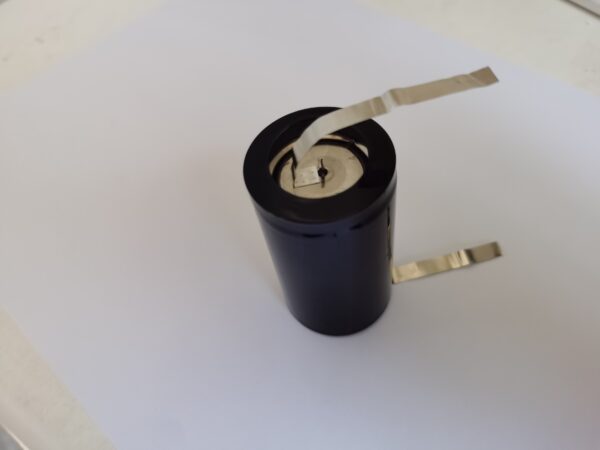
Custom Automotive Lithium Battery | OEM ODM Design Service
In the rapidly evolving automotive landscape of 2026, reliability is not merely a feature—it is a safety imperative. While rechargeable lithium-ion systems dominate traction power, lithium metal primary batteries remain the unsung heroes of critical automotive electronics. From Tire Pressure Monitoring Systems (TPMS) to emergency eCall modules and BMS memory backup, these non-rechargeable power sources ensure functionality even when the main vehicle power is disconnected. For engineering teams and technical procurers, sourcing a Custom Automotive Lithium Battery through a robust OEM ODM Design Service is essential to meet stringent regional compliance and performance demands.
The Critical Role of Lithium Metal Chemistry in Automotive Applications
Unlike consumer electronics, automotive environments subject batteries to extreme thermal cycling, vibration, and long-term storage requirements. Lithium thionyl chloride (Li-SOCl2) and lithium manganese dioxide (Li-MnO2) chemistries are preferred for their high energy density and stable voltage profiles.
The fundamental principle lies in the electrochemical potential of lithium metal, which offers a nominal voltage of 3.6V to 3.0V depending on the cathode material. For automotive applications, the low self-discharge rate (less than 1% per year for high-grade cells) is paramount. This ensures that a TPMS sensor can operate for over 10 years without maintenance. However, standard off-the-shelf cells often fail to meet specific mechanical constraints or pulse current requirements of modern connected car devices. This is where tailored OEM ODM Design Service capabilities become critical.
Precision Engineering: Parameters and Testing Protocols
When evaluating a custom battery solution, engineers must look beyond nominal capacity. The following parameters define the viability of an automotive-grade primary battery:
- Temperature Resilience: Automotive batteries must operate reliably from -40°C to +85°C (or higher for under-hood applications). Electrolyte formulation determines low-temperature performance, preventing voltage delay during cold cranking or winter storage.
- Pulse Current Capability: Modern telematics units require high-current pulses for data transmission. A hybrid layer capacitor (HLC) or specific cell design is often integrated to handle pulses up to several amperes without voltage drop.
- Vibration and Shock Resistance: Compliance with ISO 16750 standards is non-negotiable. Custom packaging must secure internal components against road-induced vibrations.
Testing Methods for Validation:
To ensure safety and performance, rigorous testing is conducted according to international standards:
- UN38.3: Mandatory for transportation safety, covering altitude simulation, thermal cycling, and external short circuit.
- IEC 60086: Defines dimensions and performance specifications for primary batteries.
- AEC-Q200: While primarily for passive components, the reliability stress testing principles are often applied to battery management circuits integrated into the pack.
Procurement teams should demand test reports validating these parameters before integration. For a comprehensive range of validated cells, technical teams can review specifications at https://cnsbattery.com/primary-battery/.
Geo SEO and Regional Compliance: Navigating EU and US Standards
In 2026, geopolitical and regulatory landscapes dictate battery design. A successful Custom Automotive Lithium Battery strategy must account for regional compliance barriers.
European Union (EU) Adaptability:
The EU Battery Regulation (2023/1542) imposes strict requirements on carbon footprint, recycling, and due diligence for raw materials. For lithium primary batteries, compliance with REACH (Registration, Evaluation, Authorisation and Restriction of Chemicals) and RoHS (Restriction of Hazardous Substances) is baseline. Furthermore, the “Battery Passport” initiative requires digital documentation of battery chemistry and origin. OEM ODM partners must provide full material disclosure to ensure seamless entry into the European market.
United States (US) Standards:
For the North American market, adherence to UL 1642 (for cells) and DOT 38.3 (transportation) is critical. Additionally, state-specific regulations, such as California’s Proposition 65, require clear labeling regarding chemical exposure. Design services must incorporate safety vents and PTC (Positive Temperature Coefficient) devices where necessary to meet UL safety expectations for automotive components.
CNS Products: Technical Barriers and Localized Solutions
Navigating these technical barriers requires a partner with deep R&D capabilities. CNS products are engineered to bridge the gap between global standards and local application needs. By leveraging advanced sealing technologies and customized electrolyte additives, CNS batteries achieve superior leakage resistance and temperature stability, directly addressing the failure modes common in harsh automotive environments.
The adaptability of CNS products extends to regulatory compliance. Whether designing for the high-voltage safety protocols of German OEMs or the pulse-power demands of American telematics providers, the design service ensures that every cell meets the specific geo-regulatory framework. This localized compliance strategy reduces time-to-market and mitigates legal risks for global automotive suppliers.
Conclusion
The demand for Custom Automotive Lithium Battery solutions is driven by the increasing complexity of vehicle electronics and the uncompromising safety standards of 2026. Selecting the right OEM ODM Design Service partner is not just about purchasing a cell; it is about securing a compliant, reliable, and technically optimized power solution. By prioritizing rigorous testing, regional regulatory adherence, and custom engineering, automotive manufacturers can ensure their systems remain powered throughout the vehicle’s lifecycle.
For detailed technical consultations and to discuss your specific automotive power requirements, please contact our engineering team directly at https://cnsbattery.com/primary-battery-contact-us/. Partnering with a specialist ensures your automotive applications meet the highest standards of performance and safety globally.
