
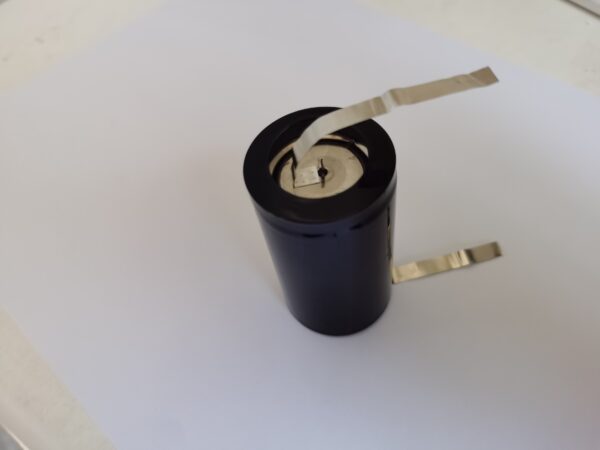
How to Fix Li-SOCl₂ Battery Voltage Delay After Long-Term Storage
Lithium Thionyl Chloride (Li-SOCl₂) batteries are the industry standard for long-life, low-power applications ranging from utility metering to IoT sensors. Renowned for their high energy density and wide operating temperature range, these primary cells are designed to last over a decade. However, engineers and technical purchasers often encounter a critical performance phenomenon after prolonged storage: voltage delay. This temporary drop in working voltage upon initial load can disrupt system startup and lead to false low-battery indications. Understanding the electrochemical roots of this delay and implementing strategic mitigation measures is essential for reliable device deployment.
Understanding the Mechanism: The Passivation Layer
To address voltage delay, one must first understand the internal chemistry of the Li-SOCl₂ cell. The battery operates using a lithium anode and a thionyl chloride cathode. During storage, a spontaneous reaction occurs between the lithium anode and the electrolyte, forming a thin, protective film of Lithium Chloride (LiCl) on the anode surface. This phenomenon is known as passivation.
While this passivation layer is beneficial—it significantly reduces self-discharge and enables the battery’s exceptional shelf life—it acts as a high-resistance barrier when the battery is first put under load. When a device is activated after long-term storage, the initial current must penetrate this LiCl film. Until the film is electrically broken down or thinned by the discharge current, the terminal voltage drops below the nominal 3.6V, manifesting as voltage delay. For high-pulse applications or devices with strict voltage cutoffs, this delay can be critical.
Key Factors Exacerbating Voltage Delay
Not all storage conditions affect voltage delay equally. Several variables influence the thickness and stability of the passivation layer:
- Storage Duration: The longer the battery remains in storage, the thicker the passivation layer becomes. Batteries stored for over three years typically exhibit more pronounced delay than those stored for less than a year.
- Storage Temperature: High-temperature storage accelerates the chemical reaction forming the LiCl layer. Storing Li-SOCl₂ batteries at elevated temperatures (e.g., above 40°C) significantly increases the resistance of the passivation film, leading to deeper voltage dips upon activation.
- Discharge Current Profile: Low continuous currents may not be sufficient to break down the passivation layer quickly. Conversely, high initial pulse currents can cause a sharp voltage drop that might trigger system reset thresholds before the voltage recovers.
Practical Solutions for Engineers
Mitigating voltage delay requires a combination of circuit design adjustments and battery management protocols. Below are proven strategies for engineers designing with primary lithium cells.
1. Pre-Discharge Conditioning
For devices that can tolerate a brief initialization phase, implementing a pre-discharge routine is effective. Applying a controlled load immediately upon startup helps break down the LiCl layer rapidly. This “activation pulse” allows the voltage to stabilize to its nominal level before critical system functions engage. However, this must be balanced against the total energy budget, as it consumes a small amount of capacity.
2. Circuit Design Optimization
Incorporating a bulk capacitor in parallel with the battery can buffer the initial voltage dip. The capacitor supplies the peak current required during the first few milliseconds of operation, allowing the battery voltage to recover without dropping below the system’s minimum operating threshold. Additionally, adjusting the low-voltage cutoff settings in the firmware can prevent false alarms during the initial stabilization period.
3. Selecting the Right Cell Construction
Li-SOCl₂ batteries come in different constructions, primarily bobbin-type and spiral-type. Bobbin-type cells offer higher capacity and lower self-discharge but are more prone to voltage delay due to lower current capability. Spiral-type cells, while having slightly lower capacity, offer higher power and less voltage delay due to their larger electrode surface area. For applications requiring immediate high pulses after storage, a spiral design or a hybrid layer approach may be preferable. You can explore various technical specifications and cell types suitable for your project at https://cnsbattery.com/primary-battery/.
Optimizing Storage and Selection
Proper storage protocols are the first line of defense against excessive passivation. Batteries should be stored in a cool, dry environment, ideally between 10°C and 25°C. Avoiding high-temperature warehouses prevents the accelerated growth of the passivation layer. Furthermore, inventory management should follow a “First-In, First-Out” (FIFO) principle to ensure batteries are not stored longer than necessary before deployment.
For procurement teams, it is vital to communicate the expected storage timeline and load profile to the manufacturer. Some manufacturers offer low-passivation formulations designed specifically for applications where immediate voltage stability is critical after long dormancy.
Conclusion
Voltage delay in Li-SOCl₂ batteries is a natural consequence of the passivation mechanism that grants these cells their long shelf life. While it cannot be entirely eliminated without compromising self-discharge rates, it can be effectively managed through informed engineering choices. By understanding the interplay between storage conditions, cell chemistry, and circuit design, engineers can ensure reliable performance even after years of dormancy.
For technical consultations regarding specific application requirements or to request samples for testing voltage delay characteristics under your specific load profiles, please contact our engineering team directly at https://cnsbattery.com/primary-battery-contact-us/. Proper selection and management of primary lithium batteries ensure that your remote devices remain operational and efficient throughout their intended lifecycle.
