
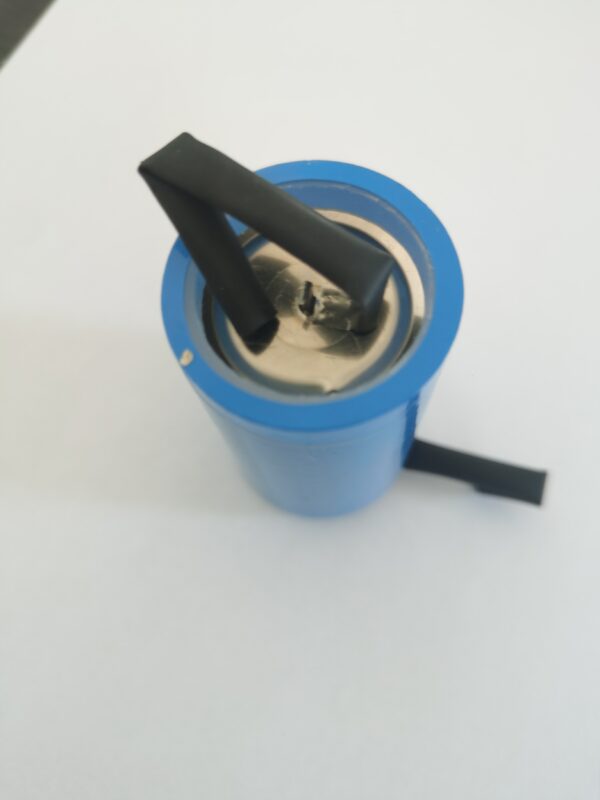
Li-SO₂ Battery for Flood Emergency Response Drone Systems
Date: March 18, 2026
Category: Primary Battery Technology & UAV Power Solutions
Target Audience: OEMs, Emergency Equipment Manufacturers, Global Distributors
In the realm of disaster management, time is the most critical resource. As we navigate through 2026, the deployment of Unmanned Aerial Vehicles (UAVs) for flood emergency response has transitioned from an innovative concept to a standard operational protocol. From rapid situational assessment to delivering life-saving payloads, drones operate in the most hostile environments imaginable—sub-zero winds, torrential rain, and high humidity. However, the efficacy of these systems hinges on a single, often overlooked component: the power source. For professional-grade flood response drones, the Lithium Sulfur Dioxide (Li-SO₂) primary battery stands out as the definitive energy solution, offering unparalleled reliability where rechargeable lithium-ion systems often falter.
The Operational Challenge in Flood Rescue Scenarios
Flood emergencies present unique power challenges. Rescue drones must remain in standby mode for extended periods, sometimes months, without maintenance, yet deliver instant high-current power when deployed. Furthermore, operations often occur in extreme temperature variations, from freezing high-altitude reconnaissance to humid, tropical storm zones. Standard commercial batteries struggle with self-discharge and voltage depression under these conditions. In contrast, Li-SO₂ technology, leveraging a liquid cathode system, provides a hermetically sealed power unit capable of withstanding temperatures ranging from -55°C to +70°C. This thermal stability ensures that when a disaster strikes, the drone activates immediately, without the need for pre-heating or voltage recovery time.
Core Technical Advantages of Li-SO₂ Chemistry
From an engineering perspective, the Li-SO₂ battery offers specific electrochemical benefits tailored for emergency UAV systems:
- High Energy Density: Li-SO₂ cells typically deliver an energy density of 250-300 Wh/kg, significantly higher than many alkaline or standard lithium-manganese dioxide alternatives. For drone manufacturers, this translates to extended flight times or reduced payload weight, allowing for larger sensors or communication relays to be carried during rescue missions.
- Hermetic Sealing: The welded stainless-steel casing provides an IP67-equivalent barrier against moisture and corrosive elements. In flood zones where water exposure is inevitable, this sealing prevents electrolyte leakage and internal short circuits, ensuring mission-critical reliability.
- Long Shelf Life: With a self-discharge rate of less than 1% per year at ambient temperatures, these batteries can be stored in emergency kits for up to 10 years without significant capacity loss. This reduces the total cost of ownership for government agencies and NGOs maintaining large fleets of standby drones.
- Voltage Stability: The flat discharge curve ensures consistent power delivery to motors and avionics throughout the flight, preventing premature low-voltage cutoffs that could endanger the aircraft during critical search operations.
Compliance and Logistics in 2026
As industry practitioners, we must also address the regulatory landscape. With the implementation of the IATA Dangerous Goods Regulations (DGR) 67th Edition effective January 1, 2026, the transport of lithium batteries has become more stringent. While rechargeable lithium-ion batteries face strict State of Charge (SoC) limitations (capped at 30% for air transport), Li-SO₂ primary batteries, classified under UN 3090, offer distinct logistical advantages. They are shipped at zero state of charge inherently, simplifying compliance for global supply chains. For B2B partners distributing emergency equipment across borders, understanding these nuances is vital to avoid shipping delays. Reliable suppliers ensure all cells meet UN testing standards (T.1 to T.8), providing the necessary documentation for seamless customs clearance.
Selecting the Right Power Partner
For UAV system integrators, the battery is not merely a commodity but a safety-critical component. Selecting a manufacturer with a proven track record in primary lithium technology is essential. Key considerations should include customization capabilities for specific battery packs, rigorous quality control systems (ISO 9001), and the ability to scale production during sudden demand surges caused by seasonal disasters.
We specialize in providing high-performance primary battery solutions designed for extreme environments. Our Li-SO₂ cells are engineered to meet the rigorous demands of modern defense and emergency response applications. Whether you are developing next-generation rescue drones or upgrading existing fleets, partnering with an experienced cell manufacturer ensures your systems perform when lives depend on them.
To discuss technical specifications, request samples, or explore customization options for your flood response drone systems, please visit our product page at https://cnsbattery.com/primary-battery/. Our engineering team is ready to collaborate on power solutions that meet your unique operational requirements. For direct inquiries and global support, you can reach us through our contact portal at https://cnsbattery.com/primary-battery-contact-us/.
Conclusion
As the low-altitude economy expands and emergency response protocols evolve, the demand for robust, maintenance-free power sources will only intensify. The Li-SO₂ battery remains the gold standard for flood emergency response drone systems, balancing high energy density with exceptional environmental resilience. By integrating this technology, manufacturers can ensure their drones are always ready, always reliable, and always capable of saving lives. Let us power the future of emergency response together.
