
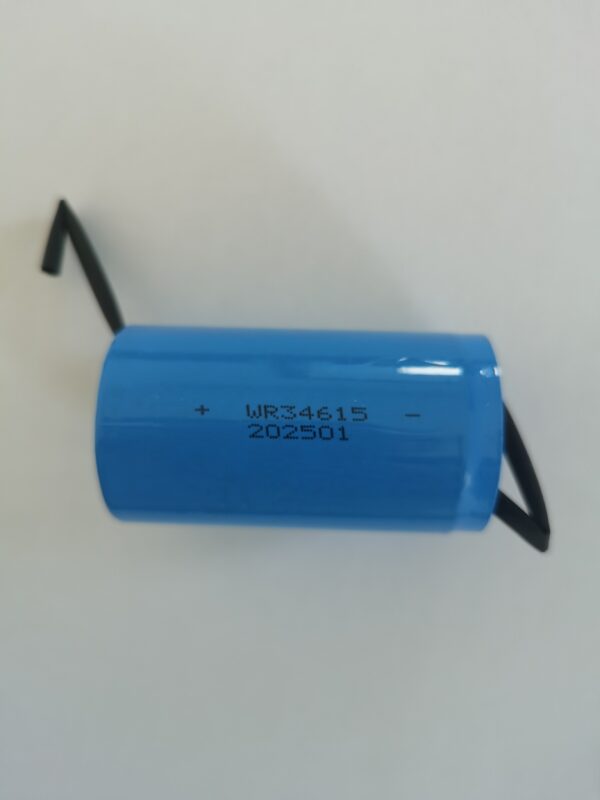
Ultra Low Power Li-SOCl₂ Battery for IoT Sensors
Introduction
The rapid expansion of Internet of Things (IoT) deployments has created unprecedented demand for reliable, long-lasting power solutions. Among various battery chemistries, Lithium Thionyl Chloride (Li-SOCl₂) batteries have emerged as the preferred choice for ultra-low-power IoT sensors operating in remote or hard-to-access locations. This article examines the technical advantages, application scenarios, and critical procurement considerations for B2B buyers evaluating Li-SOCl₂ solutions.
Technical Fundamentals
Li-SOCl₂ batteries utilize lithium as the anode and thionyl chloride as both cathode and electrolyte. This unique chemistry delivers several distinctive advantages:
Energy Density: With volumetric energy density reaching up to 500 Wh/L, Li-SOCl₂ batteries outperform most primary battery technologies, enabling compact sensor designs without sacrificing operational lifetime.
Low Self-Discharge: Annual self-discharge rates below 1% allow these batteries to maintain charge for 10-15 years in storage, critical for deployments where battery replacement is impractical or cost-prohibitive.
Wide Temperature Range: Operational performance from -55°C to +85°C makes Li-SOCl₂ suitable for extreme environments including industrial monitoring, agricultural sensors, and infrastructure applications.
Voltage Stability: The nominal 3.6V output remains stable throughout most of the discharge cycle, ensuring consistent sensor performance and reliable data transmission.
IoT Sensor Applications
Real-world deployments demonstrate the versatility of Li-SOCl₂ technology across multiple sectors:
Smart Metering: Utility companies deploying water, gas, and electricity meters benefit from 10+ year battery life, eliminating mid-cycle replacement costs. A European utility provider reported 40% reduction in total cost of ownership after switching to Li-SOCl₂-powered meters.
Asset Tracking: Shipping containers and logistics assets equipped with GPS trackers require minimal power during standby modes. Li-SOCl₂ batteries support years of intermittent transmission without degradation.
Environmental Monitoring: Remote weather stations, soil moisture sensors, and air quality monitors in agricultural settings operate autonomously for extended periods, reducing maintenance visits.
Industrial IoT: Predictive maintenance sensors on manufacturing equipment leverage the stable voltage output to ensure accurate readings throughout the battery lifecycle.
Compliance and Certification
B2B purchasers must verify compliance with relevant international standards:
- UN 38.3: Mandatory for lithium battery transportation across all modes
- IEC 60086: International standard for primary batteries
- RoHS/REACH: Environmental compliance for European markets
- UL Recognition: Safety certification for North American deployments
Manufacturers should provide complete documentation including Safety Data Sheets (SDS), test reports, and certificates of conformity. Request these materials during the qualification phase to avoid deployment delays.
Procurement Considerations
When evaluating Li-SOCl₂ battery suppliers, focus on these critical factors:
Capacity Matching: Calculate total energy requirements based on sensor sleep current, active transmission current, duty cycle, and expected deployment duration. Add 20% safety margin for temperature variations and aging effects.
Pulse Capability: Some IoT applications require high-current pulses for wireless transmission. Verify the battery can support peak currents without voltage sag. Bobbin-type cells suit low-current applications, while spiral-wound designs handle higher pulse demands.
Connector Compatibility: Ensure battery form factors match your sensor housing design. Common configurations include ER14250, ER14335, ER14505, and ER17505 sizes.
Lot Traceability: Request batch numbers and manufacturing dates. Consistent quality across production lots minimizes performance variation in large-scale deployments.
Supply Chain Stability: Evaluate manufacturer capacity, lead times, and inventory policies. Long-term projects require guaranteed supply continuity over multiple years.
Cost-Benefit Analysis
While Li-SOCl₂ batteries carry higher upfront costs compared to alkaline or lithium-manganese alternatives, the total cost of ownership often favors lithium thionyl chloride for IoT applications:
- Reduced replacement frequency lowers labor costs
- Fewer site visits decrease operational disruption
- Extended warranty periods reflect manufacturer confidence
- Lower failure rates minimize data loss risks
Calculate ROI based on your specific deployment scenario, factoring in access difficulty, labor rates, and data continuity requirements.
Conclusion
Li-SOCl₂ batteries represent the optimal power solution for ultra-low-power IoT sensors requiring extended operational life and reliable performance. B2B buyers should prioritize suppliers offering comprehensive technical support, full compliance documentation, and proven track records in IoT deployments.
For detailed product specifications and customization options, explore our comprehensive primary battery portfolio. Our technical team can assist with application-specific recommendations and volume pricing inquiries.
To discuss your project requirements or request samples, please contact us for personalized support from our engineering specialists.
Investing in quality Li-SOCl₂ batteries today ensures your IoT infrastructure operates reliably for the next decade, protecting your deployment investment and maintaining data continuity across your sensor network.
