
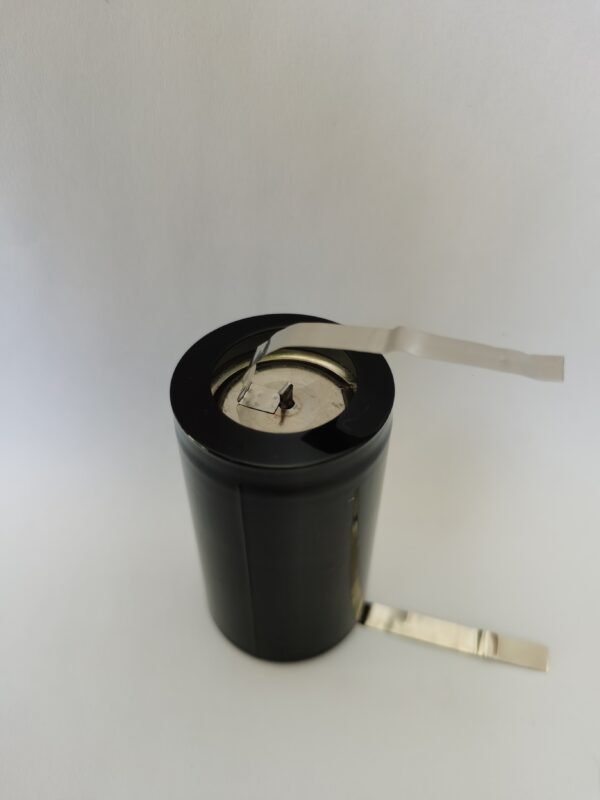
Saft LS17330 Li-SOCl₂ Battery Alternative for Security Systems
In the security industry, reliable power sources are critical for maintaining uninterrupted operation of alarm systems, gas detectors, and surveillance equipment. The Saft LS17330 Li-SOCl₂ battery has long been a trusted choice for security professionals worldwide. However, with supply chain challenges and cost considerations, many businesses are seeking qualified alternatives that maintain the same performance standards. This article explores technical specifications, alternative options, and key selection criteria for security system applications.
Understanding the Saft LS17330 Battery Specifications
The Saft LS17330 is a 3.6V lithium thionyl chloride (Li-SOCl₂) primary battery designed for long-term, low-drain applications. Key technical parameters include:
- Nominal Voltage: 3.6V
- Nominal Capacity: 2100mAh
- Dimensions: Φ16.5 × 33.4mm
- Continuous Discharge Current: 23mA
- Pulse Discharge Current: 120mA
- Operating Temperature: -60°C to +85°C
- Shelf Life: Up to 10 years with less than 2% annual self-discharge
These specifications make the LS17330 particularly suitable for security systems requiring extended service life without maintenance, including gas detectors, intrusion alarms, and industrial control panels across North America, Europe, and Asia-Pacific markets.
Why Li-SOCl₂ Technology Dominates Security Applications
Lithium thionyl chloride chemistry offers the highest energy density among commercial primary batteries, reaching up to 590 Wh/kg and 1100 Wh/dm³. This technology provides several advantages for security installations:
- Extended Service Life: Low self-discharge rates ensure batteries remain viable for over a decade in storage or operation.
- Wide Temperature Range: Performance remains stable in extreme environments, from freezing outdoor installations to hot industrial facilities.
- Stable Voltage Output: Maintains consistent voltage throughout discharge, critical for sensitive security electronics.
- No Memory Effect: As a primary (non-rechargeable) battery, it delivers predictable performance without degradation from partial discharge cycles.
Security system integrators in regions like the United States, Germany, and Singapore prioritize these characteristics when specifying backup power solutions for mission-critical applications.
Evaluating Compatible Alternatives for Security Systems
When considering alternatives to the Saft LS17330, procurement managers and system designers should verify several compatibility factors:
Dimensional Compatibility
Alternative batteries must match the Φ16.5 × 33.4mm form factor to fit existing battery compartments without modification. Common equivalent designations include ER17330V and similar 2/3A-size cells from manufacturers like Toshiba, Ultralife, and regional suppliers.
Electrical Performance Matching
Ensure alternative batteries meet or exceed the original specifications for voltage (3.6V), capacity (2100mAh minimum), and pulse current capability (120mA). Security systems often require brief high-current bursts during alarm activation, making pulse performance critical.
Certification and Compliance
For security applications, batteries should carry relevant certifications such as UL, CE, IEC 60086-4, and transportation compliance (UN 38.3). These certifications are mandatory for installations in regulated markets across the EU, North America, and Australia.
Supply Chain Reliability
Partner with suppliers who maintain consistent inventory levels and can provide documentation for batch traceability. Security system maintenance schedules depend on predictable battery availability.
Technical Considerations for System Integration
When integrating alternative Li-SOCl₂ batteries into security systems, engineers should account for:
- Voltage Delay Phenomenon: Li-SOCl₂ batteries may exhibit initial voltage depression after long storage. Systems should accommodate brief warm-up periods.
- Passivation Layer: A protective film forms on the lithium anode during storage, which can affect initial performance but enhances shelf life.
- End-of-Life Indicators: Implement voltage monitoring to predict battery replacement before system failure occurs.
For businesses seeking reliable primary battery solutions with comprehensive technical support, explore our range at https://cnsbattery.com/primary-battery/. Our team provides detailed specifications and compatibility guidance for security system applications worldwide.
Regional Procurement Considerations
Security system operators in different regions face varying procurement challenges:
- North America: UL certification and domestic supply chain preferences dominate specification requirements.
- European Union: CE marking and RoHS compliance are mandatory, with growing emphasis on battery recycling regulations.
- Asia-Pacific: Cost-effectiveness balanced with quality certifications drives purchasing decisions in markets like Singapore, Japan, and Australia.
- Middle East: High-temperature performance specifications are critical for outdoor security installations.
Working with suppliers who understand regional regulatory requirements ensures smooth procurement and installation processes across global operations.
Making the Right Choice for Your Security Infrastructure
Selecting a Saft LS17330 alternative requires careful evaluation of technical specifications, certification compliance, and supplier reliability. Security system downtime due to battery failure can compromise entire protection networks, making battery selection a critical decision rather than a commodity purchase.
For detailed technical consultations and customized battery solutions tailored to your security system requirements, contact our specialist team at https://cnsbattery.com/primary-battery-contact-us/. We support security integrators, facility managers, and procurement professionals across global markets with verified alternatives that meet or exceed original equipment specifications.
Investing in qualified battery alternatives ensures your security systems maintain optimal performance while managing costs and supply chain risks effectively.
