
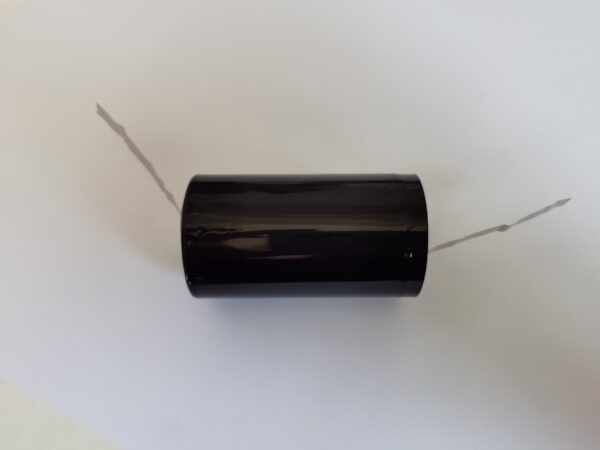
Li-SO₂ Battery for Cargo Ship Emergency Backup Power
Ensuring Maritime Safety Through Advanced Primary Lithium Battery Technology
In the demanding maritime environment, reliable emergency backup power systems are not optional—they are mandatory for compliance with International Maritime Organization (IMO) SOLAS regulations and critical for vessel safety. Among various power solutions, lithium primary batteries, particularly Li-SO₂ (Lithium Sulfur Dioxide) and Li-SOCl₂ (Lithium Thionyl Chloride) chemistries, have emerged as the preferred choice for cargo ship emergency backup applications. This technical analysis examines why these battery systems deliver exceptional performance in marine emergency power scenarios.
Technical Fundamentals of Li-SO₂ Battery Chemistry
Li-SO₂ batteries operate through an electrochemical reaction between lithium metal anodes and sulfur dioxide cathodes. The fundamental discharge reaction follows:
2Li + 2SO₂ → Li₂S₂O₄
This chemistry delivers a nominal voltage of 3.0V per cell, with operating temperature ranges spanning from -55°C to +85°C. The electrolyte system typically employs lithium bromide (LiBr) dissolved in organic solvents including propylene carbonate and acetonitrile, ensuring stable performance across extreme maritime conditions.
Key technical specifications for marine-grade Li-SO₂ cells include:
- Energy Density: 250-300 Wh/kg
- Self-Discharge Rate: <1% per year at 20°C
- Shelf Life: 10+ years under proper storage conditions
- Voltage Stability: Flat discharge curve maintaining 90% capacity at consistent voltage
Why Li-SO₂ Batteries Excel in Maritime Emergency Applications
1. Extreme Temperature Performance
Cargo vessels operate across diverse climatic zones, from Arctic routes to tropical waters. Li-SO₂ batteries maintain consistent performance where conventional battery chemistries fail. Testing demonstrates stable output at -40°C, critical for emergency systems that must activate reliably regardless of ambient conditions.
2. Long-Term Reliability Without Maintenance
Maritime emergency backup systems require minimal maintenance intervention. With self-discharge rates below 1% annually, Li-SO₂ batteries can remain in standby mode for extended periods while retaining sufficient capacity for immediate deployment. This characteristic aligns perfectly with SOLAS requirements for emergency equipment readiness.
3. High Power Density for Critical Loads
Emergency backup systems must power essential equipment including GMDSS radio systems, EPIRB beacons, navigation lights, and emergency lighting. Li-SO₂ batteries deliver high pulse current capability, ensuring immediate power availability during emergency activation scenarios.
4. Compliance with International Safety Standards
Modern Li-SO₂ battery systems meet IMDG Code (International Maritime Dangerous Goods Code) requirements for marine transportation and installation. Proper certification includes UN 3090 classification for lithium metal batteries, ensuring regulatory compliance for vessel operators.
Integration Considerations for Cargo Ship Emergency Systems
When specifying Li-SO₂ batteries for maritime emergency backup power, engineering teams should evaluate:
Battery Configuration: Series-parallel arrangements must account for voltage requirements (typically 24V or 48V systems) while maintaining cell balancing for optimal longevity.
Environmental Protection: IP67 or higher ingress protection ratings are essential for marine environments with high humidity, salt spray, and potential water exposure.
Thermal Management: Although Li-SO₂ chemistry performs well across temperature extremes, proper enclosure design prevents thermal runaway risks during rare fault conditions.
Monitoring Systems: Integration with vessel monitoring systems enables real-time status tracking, predictive maintenance scheduling, and compliance documentation for port state control inspections.
Safety Protocols and Risk Mitigation
While Li-SO₂ batteries offer exceptional performance, proper handling protocols are essential:
- Storage: Maintain temperatures below 30°C for maximum shelf life
- Installation: Follow manufacturer torque specifications for terminal connections
- Disposal: Comply with local regulations for lithium battery recycling
- Emergency Response: Crew training should include lithium battery fire response procedures per IMO guidelines
Selecting the Right Primary Lithium Battery Solution
For cargo ship operators and marine system integrators evaluating emergency backup power options, technical specifications must align with operational requirements. Li-SO₂ and related Li-SOCl₂ primary lithium batteries represent proven technology with decades of maritime deployment history.
When sourcing marine-grade primary lithium batteries, partnering with established manufacturers ensures access to certified products with complete documentation for classification society approval. Technical support teams should provide application engineering assistance for system integration, compliance verification, and lifecycle management.
For detailed technical specifications and application support regarding primary lithium battery solutions for maritime emergency power systems, visit our product portfolio to explore certified options meeting international marine standards.
Our engineering team stands ready to assist with battery selection, system design validation, and regulatory compliance documentation. Contact us at https://cnsbattery.com/primary-battery-contact-us/ for technical consultation and quotation support tailored to your vessel’s emergency power requirements.
Conclusion
As maritime safety regulations continue evolving with the 2026 IMO amendments taking effect, cargo ship operators must ensure emergency backup power systems meet heightened reliability standards. Li-SO₂ primary lithium batteries deliver the performance, longevity, and compliance necessary for modern maritime emergency power applications. By understanding the technical fundamentals and integration requirements outlined in this analysis, marine engineers and procurement specialists can make informed decisions that enhance vessel safety while maintaining regulatory compliance.
Investing in quality primary lithium battery systems represents not just regulatory compliance, but a commitment to crew safety, cargo protection, and operational continuity in the challenging maritime environment.
