2026 Lithium Ion Cylindrical Battery: Fix Thermal Runaway Prevention in Battery Pack Using 32800 Cells – Ideal for Manufacturers
The lithium-ion battery industry is entering a critical phase in 2026, where safety and performance optimization have become paramount concerns for manufacturers worldwide. Among various cell formats, the 32800 cylindrical battery has emerged as a preferred choice for high-capacity applications, offering an excellent balance between energy density and thermal management capabilities. This article addresses the essential thermal runaway prevention strategies that manufacturers must implement when designing battery packs with 32800 cells.
Understanding Thermal Runaway in Cylindrical Battery Packs
Thermal runaway represents the most severe safety hazard in lithium-ion battery systems. It occurs when an exothermic reaction within the cell triggers a self-accelerating temperature increase, potentially leading to fire or explosion. For 32800 cylindrical cells, which typically feature capacities ranging from 10Ah to 20Ah depending on chemistry, the larger form factor compared to traditional 18650 cells requires enhanced thermal management protocols.
The fundamental causes of thermal runaway include:
- Internal short circuits from manufacturing defects or mechanical damage
- Overcharging beyond specified voltage limits
- External heating from environmental conditions or adjacent cell failures
- Mechanical abuse including crushing or penetration
Key Prevention Strategies for 32800 Cell Battery Packs
1. Advanced Battery Management System (BMS) Integration
A sophisticated BMS serves as the first line of defense against thermal runaway. Modern systems continuously monitor individual cell voltage, temperature, and current in real-time. For 32800 configurations, manufacturers should implement:
- Cell-level voltage monitoring with precision accuracy of ±5mV
- Multi-point temperature sensing positioned at critical locations within the pack
- Active balancing circuits to prevent cell mismatch during charging cycles
- Early warning algorithms that detect abnormal patterns before critical thresholds are reached
2. Optimized Thermal Management Design
The cylindrical geometry of 32800 cells presents unique thermal challenges. Effective cooling system design must account for the increased surface area and heat generation capacity. Recommended approaches include:
Air Cooling Systems: Suitable for lower-power applications where cost efficiency is prioritized. Proper airflow channel design ensures uniform temperature distribution across all cells.
Liquid Cooling Plates: For high-performance applications, liquid cooling provides superior heat dissipation. The cooling plates should be positioned between cell rows with thermally conductive interface materials to maximize heat transfer efficiency.
Phase Change Materials (PCM): Emerging as a complementary solution, PCM absorbs excess heat during temperature spikes, providing passive thermal protection without active power consumption.
3. Cell Selection and Quality Control
Partnering with reputable battery manufacturers in China ensures access to Grade-A 32800 cells with consistent quality standards. Key selection criteria include:
- Certified safety testing meeting UN38.3, IEC62133, and UL1642 standards
- Low internal resistance to minimize heat generation during operation
- Robust separator materials with thermal shutdown features
- Traceable manufacturing data for quality assurance
4. Mechanical Protection and Pack Architecture
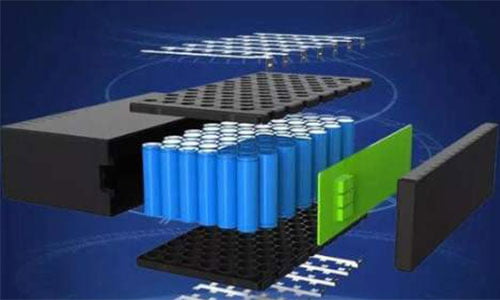
The physical design of the battery pack significantly influences thermal runaway propagation. Best practices include:
- Fire-resistant barriers between cell modules to prevent cascading failures
- Pressure relief vents positioned to direct gas away from critical components
- Thermal insulation materials that delay heat transfer between adjacent cells
- Structural reinforcement to protect against mechanical abuse during operation
Technical Specifications for 32800 Cylindrical Cells
Manufacturers evaluating 32800 cells should consider the following typical specifications:
| Parameter | Typical Range |
|---|---|
| Nominal Capacity | 10-20 Ah |
| Nominal Voltage | 3.2V (LFP) / 3.6V (NMC) |
| Maximum Continuous Discharge | 3C-5C |
| Operating Temperature | -20°C to 60°C |
| Cycle Life | 2000-5000 cycles |
For detailed product specifications and customization options, visit our cylindrical battery cell catalog.
Implementation Roadmap for Manufacturers
Successfully integrating 32800 cells into production requires a systematic approach:
Phase 1: Design Validation – Conduct thermal simulation modeling to identify potential hotspots and optimize cooling channel placement.
Phase 2: Prototype Testing – Build functional prototypes and perform accelerated aging tests under various operating conditions.
Phase 3: Safety Certification – Complete all required regulatory testing and documentation for target markets.
Phase 4: Production Scaling – Establish quality control procedures and supply chain partnerships for consistent manufacturing output.
Conclusion
Thermal runaway prevention in 32800 cylindrical battery packs demands a comprehensive approach combining advanced BMS technology, optimized thermal management, rigorous cell selection, and robust mechanical design. As the industry advances through 2026, manufacturers who prioritize safety engineering will gain competitive advantages in emerging markets including electric vehicles, energy storage systems, and industrial applications.
For technical consultation and partnership opportunities, please contact us to discuss your specific requirements. Our engineering team provides customized solutions tailored to your application needs, ensuring optimal performance and safety compliance.
The future of cylindrical battery technology lies in the careful balance between energy density and safety. By implementing the prevention strategies outlined in this article, manufacturers can confidently deploy 32800 cell-based battery packs that meet the demanding requirements of modern applications while maintaining the highest safety standards.