18650 Battery Cell For Drone | High Rate CNS BATTERY
Introduction: Powering Next-Generation UAV Applications
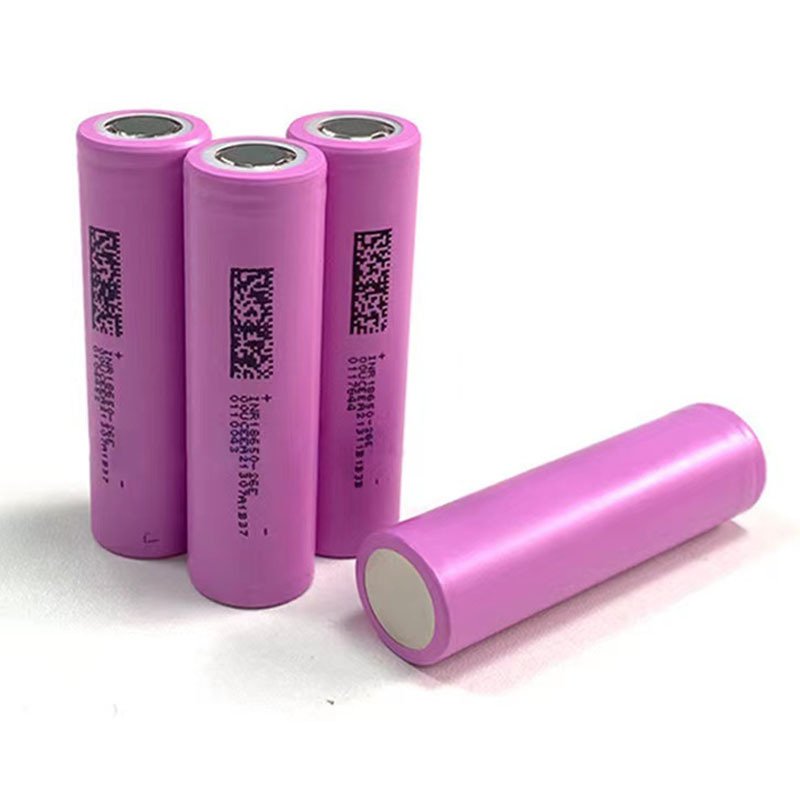
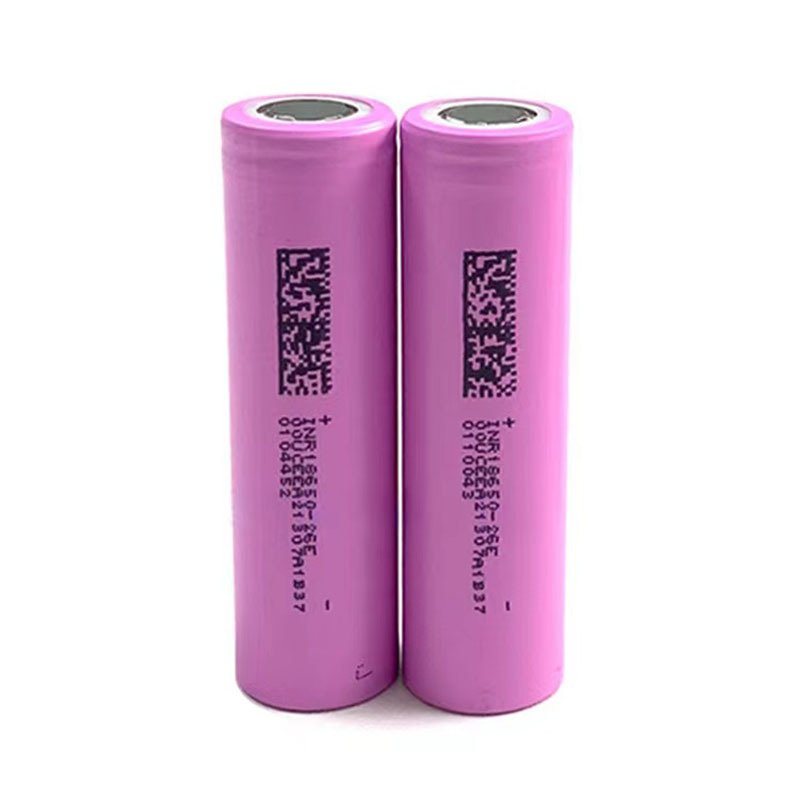
The unmanned aerial vehicle (UAV) industry demands battery solutions that deliver exceptional power density, reliable discharge performance, and uncompromising safety standards. As a professional lithium battery manufacturer with extensive expertise in cylindrical cell technology, CNS BATTERY specializes in high-rate 18650 battery cells engineered specifically for drone applications. This technical analysis examines the critical specifications, electrochemical characteristics, and engineering considerations that define premium 18650 cells for aerial platforms.
Technical Specifications: Understanding High-Rate Discharge Requirements
Discharge Rate Capabilities
Drone propulsion systems require battery cells capable of sustaining continuous discharge rates between 15A to 35A, with peak burst currents exceeding 50A during aggressive maneuvering. Our high-rate 18650 cells utilize advanced nickel-cobalt-manganese (NCM) cathode chemistry optimized for low internal resistance, typically achieving 5-8 milliohms impedance at 1kHz AC frequency. This enables sustained 5C to 10C discharge rates without excessive voltage sag or thermal runaway risks.
Energy Density Optimization
The standard 18650 form factor (18mm diameter × 65mm length) provides an optimal balance between volumetric energy density and thermal management. Premium drone-grade cells deliver 2400-3000mAh capacity at nominal 3.6V-3.7V, translating to 8.5-11Wh per cell. When configured in series-parallel arrangements, battery packs achieve system voltages of 22.2V (6S) to 44.4V (12S) while maintaining lightweight profiles essential for extended flight endurance.
Electrochemical Engineering: Cell Architecture and Safety
Internal Construction
High-rate 18650 cells employ wound jelly-roll electrode assemblies with precision-controlled coating thicknesses. The anode utilizes synthetic graphite with silicon doping to enhance lithium-ion intercalation kinetics, while the cathode incorporates single-crystal NCM particles for improved structural stability during high-current cycling. Separators feature ceramic-coated polyethylene membranes rated for thermal shutdown at 130°C-140°C.
Thermal Management Considerations
During high-rate discharge, internal heat generation follows the relationship Q = I²R, where current squared multiplies internal resistance. Our cells incorporate multiple safety mechanisms including pressure relief vents, positive temperature coefficient (PTC) devices, and shutdown separators. For drone applications, we recommend maintaining cell temperatures below 45°C during operation and implementing active cooling for packs exceeding 100A total discharge current.
Quality Assurance and Manufacturing Standards
Cell Matching and Consistency
Professional drone battery packs require strict cell matching within 50mV voltage tolerance, 3% capacity variance, and 2 milliohm internal resistance spread. CNS BATTERY implements automated grading systems ensuring consistent performance across production batches. This precision matching minimizes imbalance during charge-discharge cycles, extending pack lifespan beyond 500 full cycles at 80% depth of discharge.
Testing Protocols
Each production lot undergoes comprehensive validation including capacity verification, internal resistance measurement, high-rate pulse testing, and thermal cycling from -20°C to 60°C. Additional safety tests cover overcharge, over-discharge, short-circuit, crush, and nail penetration per UN38.3 and IEC62133 standards. Detailed test reports accompany all B2B shipments for engineering verification.
Application Integration: Pack Design Considerations
Series-Parallel Configuration
Drone battery architects must balance voltage requirements against current demands. A typical 6S4P configuration (24 cells) delivers 22.2V nominal with 4× single-cell capacity, supporting 60A-100A continuous discharge. Proper busbar design minimizes connection resistance, while spot welding parameters require optimization for nickel-plated steel strips (0.15-0.2mm thickness).
Battery Management System (BMS) Integration
Advanced BMS implementations monitor individual cell voltages, pack current, and temperature at multiple points. Cell balancing circuits maintain voltage uniformity during charging, while protection thresholds prevent operation beyond safe operating areas. Communication interfaces (UART, CAN, SMBus) enable real-time telemetry for flight controllers and ground stations.
Partnership and Technical Support
CNS BATTERY provides comprehensive engineering support for drone manufacturers seeking customized 18650 cell solutions. Our technical team assists with pack design validation, thermal simulation, and regulatory compliance documentation. For detailed specifications, sample requests, or engineering consultations, visit our contact page.
Explore our complete range of cylindrical battery cells engineered for high-rate applications including drones, power tools, and electric mobility platforms. As established battery manufacturers in China, we maintain ISO9001-certified production facilities with monthly capacity exceeding 5 million cells, ensuring reliable supply chains for global B2B partners.
Conclusion
Selecting appropriate 18650 battery cells for drone applications requires thorough evaluation of discharge characteristics, thermal behavior, and manufacturing consistency. CNS BATTERY’s high-rate cylindrical cells deliver the performance, safety, and reliability demanded by professional UAV manufacturers. Partner with our engineering team to optimize your battery system for maximum flight performance and operational safety.