
Li-SOCl₂ Battery for Water Meters: Selection & Installation Guide
In the rapidly evolving landscape of smart utility infrastructure, water meter manufacturers and system integrators across North America, Europe, and Asia-Pacific regions demand reliable, long-lasting power solutions. Lithium Thionyl Chloride (Li-SOCl₂) primary batteries have emerged as the industry standard for water metering applications, offering unmatched energy density and operational longevity. This comprehensive guide addresses critical selection criteria and installation best practices for B2B professionals seeking optimal battery performance in AMR/AMI water meter deployments.
Understanding Li-SOCl₂ Battery Technology
Li-SOCl₂ batteries represent the highest energy density chemistry available in commercial primary battery systems, delivering up to 710 Wh/kg. The electrochemical reaction involves lithium as the anode and thionyl chloride as both cathode active material and electrolyte solvent. This unique configuration produces a nominal voltage of 3.6V with exceptional voltage stability throughout the discharge cycle.
For water meter applications, the low self-discharge rate (less than 1% per year at ambient temperature) ensures 10-15 year operational lifespan—critical for utilities seeking to minimize maintenance costs and field service interventions across municipal installations in regions ranging from cold Scandinavian climates to hot Middle Eastern environments.
Key Selection Criteria for Water Meter Applications
1. Capacity Requirements and Discharge Profiles
Water meters typically operate in low-power sleep modes with periodic transmission pulses. Common form factors include ER14505 (2700mAh), ER14335 (1600mAh), and ER17505 (3800mAh). Selection must account for:
- Average current consumption (typically 10-50 μA in sleep mode)
- Peak pulse current requirements (100-200mA for wireless transmission)
- Total expected transmissions over product lifetime
For AMI systems with frequent data transmission, hybrid solutions combining Li-SOCl₂ cells with HPC (Hybrid Layer Capacitor) technology provide superior pulse capability without voltage depression.
2. Temperature Range Compliance
Water meters face extreme environmental conditions. Quality Li-SOCl₂ batteries operate reliably from -55°C to +85°C. For installations in North American regions experiencing harsh winters or Middle Eastern locations with extreme summer heat, verify battery specifications meet local climate requirements. Temperature-compensated discharge curves should be reviewed during product qualification.
3. Regulatory Certifications for Global Markets
Compliance requirements vary by region:
- North America: UL 1642, UN 38.3 transportation certification
- European Union: CE marking, RoHS compliance, REACH regulations
- Asia-Pacific: PSE (Japan), KC (Korea), BIS (India)
Ensure your battery supplier maintains current certifications for target markets. Documentation must be available for customs clearance and utility procurement audits.
4. Voltage Lag and Passivation Management
Li-SOCl₂ batteries develop a lithium chloride passivation layer during storage, causing temporary voltage lag upon initial load application. For water meters with long storage periods before deployment, specify batteries with controlled passivation characteristics or implement pre-deployment conditioning protocols.
Installation Best Practices
Proper Handling and Storage
Store batteries at 20-30°C in dry conditions. Avoid exposure to humidity exceeding 60% RH. For optimal performance, install batteries within 24 months of manufacture date. Always verify polarity markings before installation—reverse connection can cause irreversible damage to meter electronics.
Connection Methods
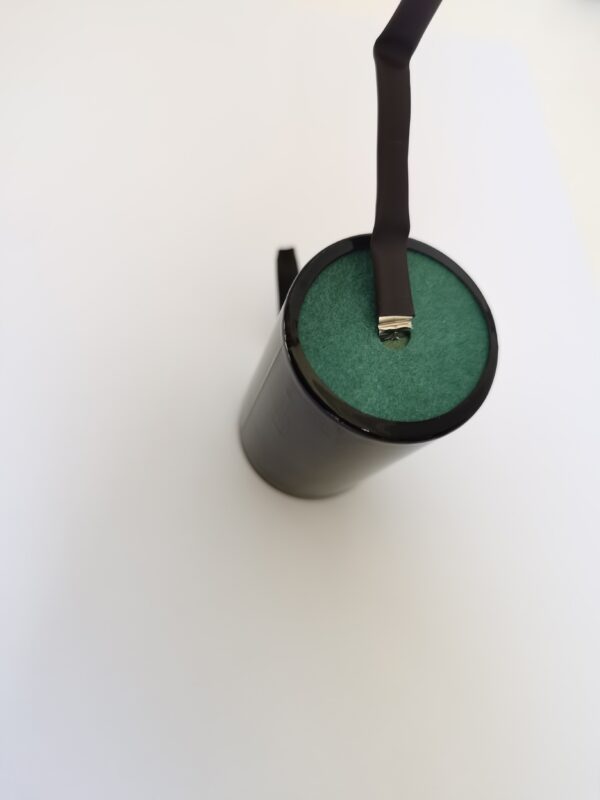
For permanent installations, welded tab connections provide superior reliability compared to spring contacts. Ensure welding parameters match battery manufacturer specifications to prevent seal damage. For replaceable designs, use gold-plated contacts with minimum 50g contact force to maintain low-resistance connections throughout the service life.
System Integration Considerations
Implement low-battery detection circuits with thresholds at 2.8-3.0V to provide adequate warning before end-of-life. Design power management systems to minimize quiescent current draw. For pulse-heavy applications, consider parallel capacitor configurations to supplement battery discharge capability.
Why Choose CNS BATTERY for Your Water Meter Power Solutions
CNS BATTERY specializes in premium Li-SOCl₂ primary batteries engineered specifically for utility metering applications. Our ER series batteries deliver consistent 3.6V output with industry-leading capacity retention across extreme temperature ranges. All products maintain full compliance with UL, CE, UN 38.3, and RoHS standards, ensuring seamless market access across North America, Europe, and Asia-Pacific regions.
Our technical team provides application-specific consultation for battery selection, custom tab configurations, and integration support. With manufacturing facilities certified to ISO 9001 and IATF 16949 standards, CNS BATTERY guarantees traceability and quality consistency for large-scale utility deployments.
For detailed product specifications and regional compliance documentation, visit our primary battery product page. Our engineering team is ready to support your water meter power requirements with customized solutions matching your specific application demands.
Contact CNS BATTERY today at https://cnsbattery.com/primary-battery-contact-us/ for technical consultation, sample requests, and volume pricing. Whether you’re deploying smart water meters in California, Germany, or Australia, our globally-compliant Li-SOCl₂ solutions deliver the reliability and longevity your utility customers expect.
Optimized for water meter manufacturers, utility procurement specialists, and IoT system integrators searching for Li-SOCl₂ battery solutions in USA, UK, Germany, Australia, Canada, and Singapore markets.
