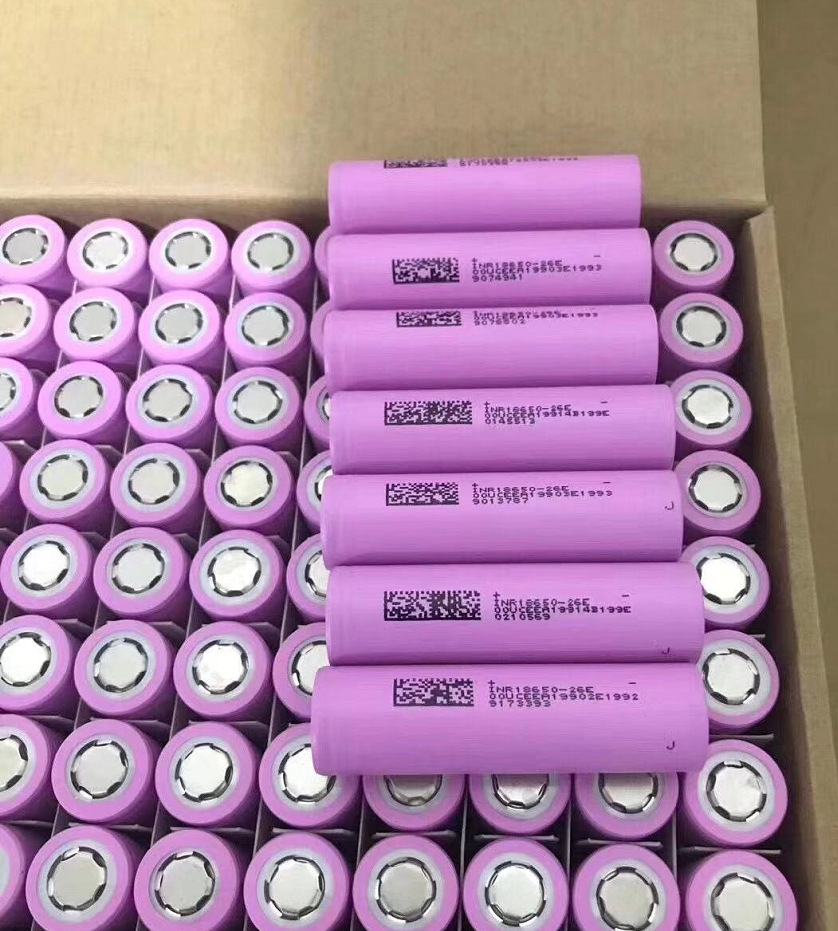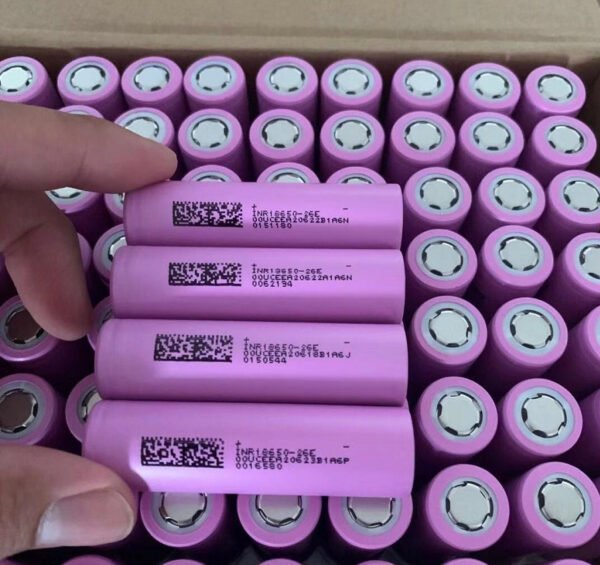
Complete Low MOQ Solution for EV Using High-Quality 18650 LFP Cells Fast Shipping Guaranteed
Introduction
The electric vehicle (EV) market continues to expand rapidly, creating unprecedented opportunities for businesses seeking reliable battery solutions. However, traditional battery procurement often requires substantial minimum order quantities (MOQ), creating barriers for startups, pilot projects, and regional distributors. A complete low MOQ solution using high-quality 18650 LFP (Lithium Iron Phosphate) cells addresses this challenge while maintaining performance standards and ensuring fast shipping guarantees.
Why 18650 LFP Cells for EV Applications
18650 LFP cells represent an optimal balance between safety, longevity, and cost-effectiveness for various EV applications. The cylindrical form factor (18mm diameter, 65mm length) offers excellent thermal management characteristics, while LFP chemistry provides superior safety profiles compared to NMC alternatives.
Key Technical Advantages:
- Cycle Life: 2000-5000 charge cycles at 80% depth of discharge
- Thermal Stability: Operating range from -20°C to 60°C
- Safety: Lower thermal runaway risk due to stable phosphate structure
- Cost Efficiency: Reduced cobalt dependency lowers material costs
For light electric vehicles, e-bikes, e-scooters, and auxiliary power systems, 18650 LFP cells deliver consistent performance without compromising safety standards. Learn more about cylindrical battery cell specifications for detailed technical parameters.
Low MOQ Benefits for B2B Buyers
Traditional battery manufacturers often require MOQs exceeding 10,000 units, creating significant capital constraints. Low MOQ solutions (typically 500-2,000 cells) enable:
Procurement Flexibility:
- Reduced inventory holding costs
- Faster market testing and validation
- Scalable ordering based on demand
- Lower financial risk for new product development
Business Advantages:
- Accelerated time-to-market for EV prototypes
- Easier compliance with regional certification requirements
- Improved cash flow management
- Enhanced supplier relationship building
This approach particularly benefits distributors entering new markets, startups developing custom EV solutions, and established companies testing regional demand before committing to large-scale production.
Quality & Compliance Standards
When sourcing 18650 LFP cells for EV applications, compliance verification remains critical. International buyers must ensure suppliers meet relevant certifications:
Essential Certifications:
- UN38.3 (Transportation Safety)
- IEC 62133 (Battery Safety)
- CE Marking (European Compliance)
- UL 1642 (Cell Safety Standard)
- RoHS Compliance (Environmental Standards)
Quality Verification Points:
- Cell capacity consistency (±3% tolerance)
- Internal resistance matching within batches
- Traceability documentation
- Third-party testing reports
Working with established battery manufacturers in China ensures access to facilities with proper quality management systems and international certification capabilities.
Fast Shipping & Logistics Guarantee
Time-sensitive projects require reliable logistics partnerships. A comprehensive shipping guarantee includes:
Logistics Framework:
- Stock Availability: Ready inventory for immediate dispatch
- Packaging Compliance: UN-certified packaging for dangerous goods
- Shipping Options: Air freight (5-7 days), Sea freight (25-35 days)
- Documentation: Complete customs documentation provided
- Tracking: Real-time shipment monitoring
Regional Considerations:
- North America: 7-10 business days via air freight
- Europe: 5-8 business days with customs pre-clearance
- Southeast Asia: 3-5 business days regional hubs
- Other regions: Customized logistics solutions
Fast shipping doesn’t compromise safety. Proper hazardous materials handling, temperature-controlled containers when necessary, and insurance coverage protect both product integrity and buyer interests.
Practical Application Case Study
A European e-scooter manufacturer recently partnered with a low MOQ supplier for their pilot production run. Requirements included 1,500 18650 LFP cells with specific capacity ratings and fast delivery to meet exhibition deadlines.
Project Timeline:
- Week 1: Specification confirmation and sample approval
- Week 2: Production and quality testing
- Week 3: Packaging and documentation preparation
- Week 4: Air freight delivery and customs clearance
Outcomes:
- Successful exhibition demonstration
- Secured €2M pre-orders based on prototype performance
- Scaled to 50,000 cells for full production after validation
- Maintained supplier relationship for ongoing procurement
This case demonstrates how low MOQ solutions enable market validation without excessive capital commitment, while fast shipping ensures project timelines remain achievable.
Procurement Best Practices
Before Ordering:
- Request sample cells for independent testing
- Verify certification documentation authenticity
- Confirm production capacity and lead times
- Review warranty terms and after-sales support
- Establish clear communication channels
During Production:
- Request production photos and quality reports
- Maintain regular status updates
- Prepare import documentation in advance
- Arrange inspection if order value warrants
Post-Delivery:
- Conduct incoming quality inspection
- Test sample cells from received batch
- Document any discrepancies immediately
- Maintain records for warranty claims
For personalized consultation on your specific EV battery requirements, contact our team for detailed quotations and technical support.
Conclusion
The combination of low MOQ flexibility, high-quality 18650 LFP cells, and guaranteed fast shipping creates an optimal procurement solution for diverse EV applications. This approach reduces financial barriers while maintaining performance standards and compliance requirements essential for international markets.
Businesses seeking competitive advantages in the growing EV sector should prioritize suppliers offering balanced solutions addressing quantity flexibility, quality assurance, and logistics reliability. The right partnership enables scalable growth from pilot projects to full-scale production without supply chain disruptions.
Investing time in supplier verification, understanding technical specifications, and establishing clear communication protocols ensures successful battery procurement outcomes. As the EV market continues evolving, flexible sourcing strategies become increasingly valuable for maintaining competitive positioning and responding to market demands efficiently.