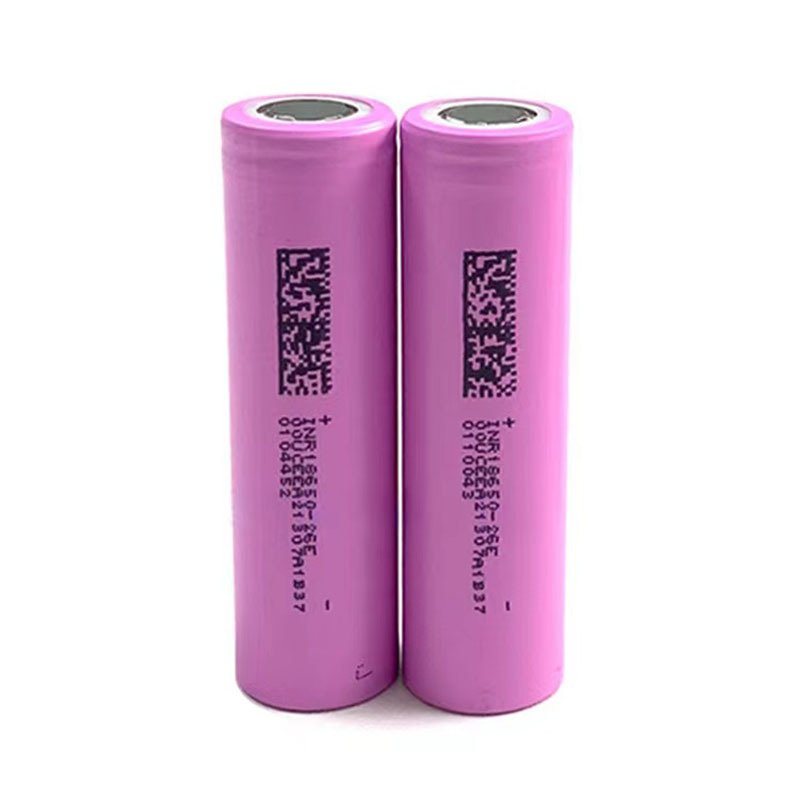
Buy Wholesale 21700 LiFePO4 Cells Bulk: High Fast Charging Without Heat Performance for Solar Storage Guaranteed
The global shift toward renewable energy storage has intensified demand for reliable, high-performance battery solutions. Among various options, 21700 LiFePO4 cells have emerged as the preferred choice for solar storage applications, offering exceptional thermal stability, extended cycle life, and superior fast-charging capabilities without excessive heat generation. For engineers and technical procurement specialists seeking wholesale quantities, understanding the technical advantages and sourcing considerations is critical for project success.
Why 21700 LiFePO4 Cells Dominate Solar Storage Applications
The 21700 form factor represents an optimal balance between energy density and thermal management. Compared to traditional 18650 cells, the larger diameter allows for increased active material volume while maintaining efficient heat dissipation pathways. LiFePO4 (Lithium Iron Phosphate) chemistry provides inherent safety advantages through its stable olivine crystal structure, which resists thermal runaway even under aggressive charging conditions.
Key Technical Advantages:
- Thermal Stability: LiFePO4 chemistry operates safely within -20°C to 60°C ranges without significant degradation
- Cycle Life: 3,000-5,000 full discharge cycles at 80% depth of discharge
- Fast Charging: Supports 1C-3C charging rates with minimal temperature rise
- Voltage Platform: Stable 3.2V nominal voltage simplifies BMS design
Fast Charging Without Heat: The Engineering Behind Performance
Excessive heat generation during charging remains the primary degradation factor for lithium batteries. The 21700 LiFePO4 configuration addresses this through multiple engineering approaches. The larger cell surface-area-to-volume ratio enables more efficient heat dissipation compared to smaller form factors. Additionally, LiFePO4’s lower operating voltage (3.2V vs. 3.7V for NMC) reduces internal resistance heating during high-current charging.
Advanced electrode coatings and optimized electrolyte formulations further minimize polarization effects, allowing sustained high-current charging without significant temperature elevation. For solar storage systems requiring rapid energy capture during peak sunlight hours, this capability translates directly into improved system efficiency and reduced cooling infrastructure costs.
Wholesale Sourcing Considerations for B2B Buyers
Procurement specialists must evaluate several critical factors when sourcing wholesale 21700 LiFePO4 cells:
Quality Certification: Ensure suppliers maintain IEC 62619, UL 1642, and UN 38.3 certifications for international compliance.
Capacity Consistency: Request detailed specification sheets showing capacity tolerance within ±3% across production batches.
Internal Resistance: Target cells with DC internal resistance below 35mΩ for optimal fast-charging performance.
Manufacturing Traceability: Verify batch tracking systems and quality control documentation throughout the production process.
For comprehensive manufacturer verification, technical buyers should review established battery manufacturers in China to ensure supply chain reliability and production capacity alignment with project requirements.
Integration Guidelines for Solar Storage Systems
Successful deployment requires careful system design consideration. Battery management systems (BMS) must be calibrated specifically for LiFePO4 voltage curves, with cell balancing algorithms optimized for the 3.2V platform. Thermal monitoring should be implemented at the module level, though LiFePO4’s inherent stability reduces cooling requirements compared to alternative chemistries.
When configuring battery packs, maintain strict cell matching protocols to prevent premature degradation from capacity or impedance mismatches. For detailed product specifications and technical documentation, engineers can access comprehensive cylindrical battery cell information to support system design decisions.
Long-Term Value Proposition
While initial costs for premium 21700 LiFePO4 cells may exceed alternative chemistries, the total cost of ownership demonstrates clear advantages. Extended cycle life reduces replacement frequency, while minimal thermal management requirements lower infrastructure costs. For solar storage applications targeting 10+ year operational lifespans, these factors significantly impact project economics.
Conclusion
The combination of 21700 form factor efficiency and LiFePO4 chemistry stability creates an optimal solution for wholesale solar storage deployments. Technical buyers prioritizing fast-charging performance, thermal safety, and long-term reliability will find these cells deliver measurable value across commercial and utility-scale applications.
For detailed technical consultations and wholesale pricing inquiries, qualified buyers are encouraged to contact our team directly to discuss project-specific requirements and volume procurement options.
This article provides technical guidance for professional buyers and engineers evaluating 21700 LiFePO4 cells for solar storage applications. All specifications should be verified against current manufacturer documentation before system integration.