
Li-S vs Li-MnO₂: UAV Battery Selection Guide
Selecting the right battery chemistry for unmanned aerial vehicles (UAVs) is a critical engineering decision that directly impacts flight performance, operational range, and mission reliability. As the drone industry continues to evolve in 2026, engineers and technical procurement specialists face an important choice between emerging lithium-sulfur (Li-S) technology and established lithium-manganese dioxide (Li-MnO₂) primary battery systems. This comprehensive guide examines both chemistries to help you make informed decisions for your UAV applications.
Understanding the Core Technologies
Lithium-Sulfur (Li-S) Batteries represent next-generation energy storage with theoretical specific capacity reaching 1,675 mAh/g at the cathode. The chemistry utilizes sulfur as the positive electrode material and metallic lithium as the negative electrode, offering exceptional gravimetric energy density potential. However, Li-S technology faces significant challenges including the polysulfide shuttle effect, volume expansion during cycling, and limited cycle life. While promising for electric vehicles and large-scale energy storage, Li-S remains primarily in the research and development phase for commercial UAV deployment.
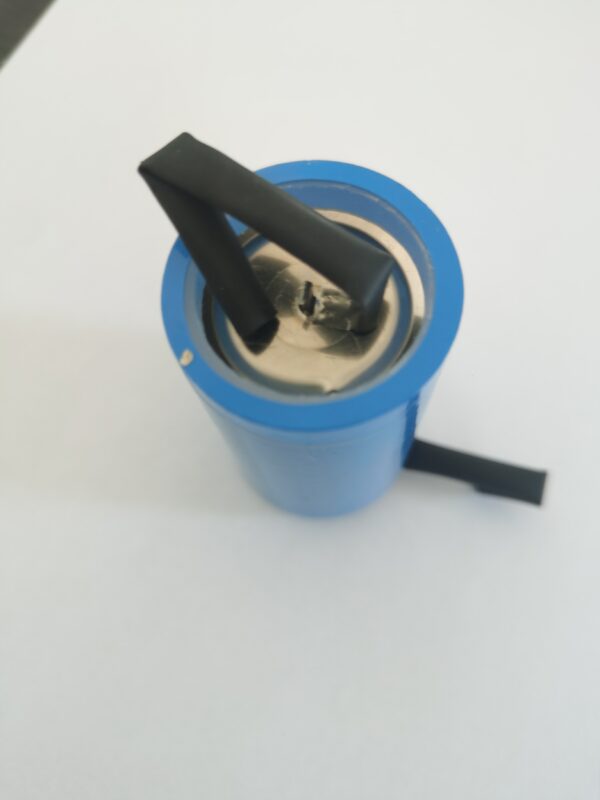
Lithium-Manganese Dioxide (Li-MnO₂) Batteries are mature primary cell technology with over 35 years of proven field performance. These non-rechargeable cells feature lithium metal anodes and manganese dioxide cathodes, delivering nominal voltages of 3.0V with excellent energy density, low self-discharge rates, and reliable operation across wide temperature ranges. Common formats include cylindrical cells like CR17450 (2,400mAh capacity), making them suitable for backup power and specialized UAV applications requiring long shelf life.
Key Selection Criteria for UAV Applications
Energy Density and Weight Considerations
For UAV designers, gravimetric energy density directly translates to flight time and payload capacity. Li-S batteries theoretically offer 2-3 times the energy density of conventional lithium chemistries, potentially enabling extended mission durations. However, practical implementations currently achieve only 40-60% of theoretical values due to technical limitations.
Li-MnO₂ primary cells provide consistent, predictable energy delivery with volumetric energy density ranging from 500-700 Wh/L. While lower than rechargeable lithium-ion alternatives, their one-time use nature eliminates charging infrastructure requirements and reduces overall system weight for single-mission applications.
Operating Temperature Performance
UAV operations frequently encounter extreme environmental conditions. Li-MnO₂ batteries demonstrate exceptional temperature tolerance, operating reliably from -40°C to +85°C. This wide range makes them ideal for military, industrial, and scientific drone applications in harsh climates.
Li-S technology currently struggles with temperature stability, particularly at low temperatures where electrolyte conductivity decreases significantly. Research published in Nature Chemistry (2025) indicates ongoing improvements in quasi-solid-state reaction kinetics, but commercial readiness for extreme environment UAV operations remains limited.
Reliability and Shelf Life
Mission-critical UAV applications demand batteries with minimal self-discharge and long storage capability. Li-MnO₂ primary cells exhibit self-discharge rates below 1% per year at room temperature, enabling 10+ year shelf life without significant capacity loss. This characteristic proves invaluable for emergency response drones, military systems, and backup power applications.
Li-S batteries, primarily designed as secondary (rechargeable) systems, show higher self-discharge rates and degradation during storage. The complex electrochemistry requires sophisticated battery management systems to maintain cell health, adding weight and complexity to UAV designs.
Cost and Supply Chain Factors
From a procurement perspective, Li-MnO₂ batteries benefit from established manufacturing infrastructure and global supply chains. Unit costs remain predictable, with volume pricing available for commercial and defense contracts. The technology’s maturity reduces qualification testing requirements and accelerates deployment timelines.
Li-S battery production remains limited to pilot-scale facilities, resulting in higher unit costs and supply chain uncertainty. Engineering teams must factor in additional validation testing and potential redesign costs when considering Li-S for production UAV systems.
Application-Specific Recommendations
For Long-Endurance Surveillance UAVs: Li-MnO₂ primary batteries excel in applications requiring extended standby periods with intermittent operation. The combination of low self-discharge and reliable voltage output ensures consistent sensor and communication system performance.
For High-Payload Delivery Drones: While Li-S offers theoretical advantages, current lithium-ion rechargeable systems provide better practical performance. Li-MnO₂ serves well as backup power for critical avionics and emergency landing systems.
For Military and Defense Applications: The proven reliability, wide temperature operation, and long shelf life of Li-MnO₂ make it the preferred choice for munitions, deployable sensors, and emergency communication drones where mission success cannot compromise.
For Research and Development Platforms: Engineering teams evaluating next-generation energy storage may consider Li-S for experimental UAVs focused on pushing flight duration boundaries, accepting the associated technical risks.
Making the Right Choice
The Li-S versus Li-MnO₂ decision ultimately depends on your specific UAV requirements, mission profiles, and risk tolerance. For most commercial and industrial applications in 2026, Li-MnO₂ primary batteries provide the optimal balance of reliability, performance, and cost-effectiveness. Li-S technology shows promise for future generations but requires continued development before widespread UAV adoption.
Technical procurement specialists should evaluate total cost of ownership, including battery management systems, charging infrastructure, replacement schedules, and mission failure risks. Engaging with experienced battery manufacturers early in the design process ensures proper cell selection and integration.
For detailed specifications and technical consultation on primary lithium battery solutions for UAV applications, visit our product page to explore available options. Our engineering team stands ready to support your battery selection process with application-specific recommendations and custom solutions.
Contact us directly at https://cnsbattery.com/primary-battery-contact-us/ for technical documentation, sample requests, and volume pricing information. Our specialists understand the unique demands of UAV power systems and can guide you toward the optimal battery chemistry for your specific operational requirements.
This guide reflects current industry knowledge as of March 2026. Battery technology continues evolving rapidly, and engineers should verify latest specifications before finalizing design decisions.
