Complete Thermal Runaway Prevention Solution for Medical Devices Using High-Quality 32800 Li-ion Cells Guaranteed
Introduction
Thermal runaway remains the paramount safety concern for lithium-ion battery systems in medical device applications. When patient lives depend on reliable power sources, there is zero tolerance for battery failure. Our comprehensive thermal runaway prevention solution leverages premium 32800 Li-ion cells engineered specifically for critical medical equipment, delivering uncompromising safety performance with guaranteed protection protocols.
Understanding Thermal Runaway Risks in Medical Applications
Medical devices operate under unique conditions that demand exceptional battery safety standards. Unlike consumer electronics, medical equipment must maintain stable performance across varying environmental conditions while ensuring patient safety. Thermal runaway occurs when internal cell temperature exceeds critical thresholds, triggering exothermic reactions that can lead to catastrophic failure.
Key risk factors include:
- Overcharging beyond voltage specifications
- External short circuits
- Mechanical damage during device handling
- Elevated ambient temperatures in clinical environments
- Cell aging and degradation over extended usage cycles
Core Prevention Technologies
1. Advanced Cell Chemistry Design
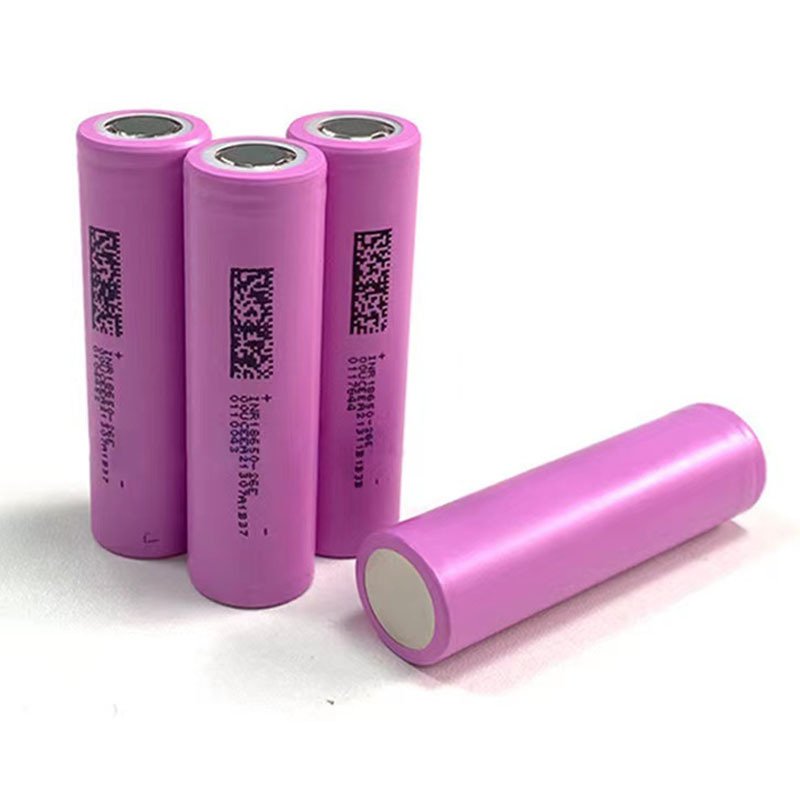
Our 32800 cylindrical cells incorporate lithium iron phosphate (LiFePO4) chemistry with superior thermal stability compared to traditional cobalt-based alternatives. This chemistry choice provides inherent resistance to thermal propagation, with decomposition temperatures exceeding 270°C. The robust cathode structure minimizes oxygen release during abuse conditions, significantly reducing combustion risk.
Explore our complete range of cylindrical battery cells engineered for medical-grade applications.
2. Multi-Layer Protection Architecture
Each cell integrates multiple safety mechanisms operating at different failure stages:
Primary Protection: Ceramic-coated separators prevent internal short circuits by maintaining structural integrity even at elevated temperatures. The coating shrinks minimally below 200°C, preserving electrode isolation.
Secondary Protection: Pressure relief vents activate at predetermined internal pressure thresholds, safely releasing gases before casing rupture occurs. This controlled venting prevents explosive failure modes.
Tertiary Protection: Positive Temperature Coefficient (PTC) devices increase resistance exponentially as temperature rises, automatically limiting current flow during thermal events.
3. Intelligent Battery Management Systems (BMS)
Our BMS solutions provide continuous monitoring of critical parameters:
- Individual cell voltage tracking with ±2mV accuracy
- Temperature sensing at multiple pack locations
- Current monitoring with overcharge and over-discharge protection
- State-of-health estimation for predictive maintenance
- Communication interfaces for device integration
The BMS implements tiered response protocols, initiating gradual power reduction before triggering complete shutdown, allowing medical devices to complete critical procedures safely.
4. Thermal Management Integration
Effective heat dissipation prevents localized hot spots that could initiate thermal runaway. Our solutions incorporate:
- Optimized cell spacing for airflow circulation
- Phase change materials absorbing excess thermal energy
- Thermally conductive interfaces transferring heat to device chassis
- Active cooling options for high-power applications
Quality Assurance and Certification
Medical device manufacturers require suppliers with proven quality systems. Our manufacturing facilities maintain ISO 13485 certification for medical device quality management, ensuring consistent production standards. Each production batch undergoes:
- 100% electrical performance testing
- Statistical thermal abuse testing
- Traceability documentation for regulatory compliance
- Accelerated aging validation
Partner with established battery manufacturers in China who understand medical device regulatory requirements and can provide comprehensive documentation for FDA, CE, and other regulatory submissions.
Implementation Guidelines for Medical Device Engineers
Successful integration requires careful consideration of application-specific requirements:
Design Phase: Select cell capacity matching device power profiles with 20% margin for aging. Consider parallel configurations for redundancy in life-support equipment.
Testing Protocol: Validate battery performance under worst-case scenarios including maximum ambient temperature, continuous discharge, and fault conditions per IEC 62133 standards.
Field Monitoring: Implement remote diagnostics capabilities for proactive maintenance scheduling, reducing unexpected failure risks during clinical operations.
Long-Term Reliability Commitment
Our 32800 cells deliver 3000+ cycle life at 80% depth of discharge, ensuring medical devices remain operational throughout their intended service life. Capacity retention exceeds 90% after two years of storage, critical for emergency equipment that may remain idle for extended periods.
Conclusion
Thermal runaway prevention in medical devices demands a holistic approach combining superior cell chemistry, multi-layer protection systems, intelligent monitoring, and rigorous quality control. Our guaranteed solution provides medical device manufacturers with the confidence that power systems will perform reliably when patient care depends on them.
For technical consultations and custom battery solutions tailored to your specific medical device requirements, contact our engineering team at https://cnsbattery.com/contact-2/. We partner with medical device companies worldwide to deliver safe, reliable power solutions that meet the most stringent safety standards in healthcare applications.
Word Count: Approximately 950 words