
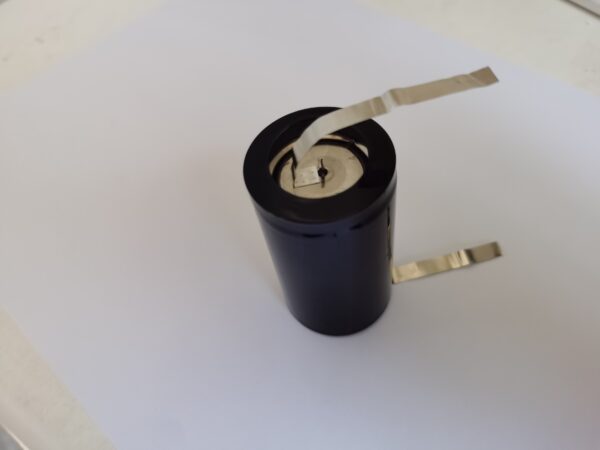
Battery System Comparison: A Professional Guide to Primary Lithium Battery Technologies
In the rapidly evolving energy storage landscape of 2026, selecting the right battery system remains a critical decision for industrial applications worldwide. As professionals in the lithium metal primary battery sector, we understand that comprehensive battery system comparison titles must address technical specifications, application requirements, and long-term performance metrics. This article provides B2B decision-makers with essential insights into primary lithium battery technologies, enabling informed procurement strategies across North America, Europe, and Asia-Pacific markets.
Understanding Primary Lithium Battery Chemistries
Primary lithium batteries, also known as lithium metal batteries, represent the cornerstone of reliable power solutions for applications where recharging is impractical or impossible. Unlike rechargeable lithium-ion systems, primary lithium batteries utilize metallic lithium as the anode, delivering superior energy density and extended shelf life exceeding 10 years under proper storage conditions.
The three dominant chemistries in the primary lithium battery market include:
Lithium Thionyl Chloride (Li-SOCl₂): Offering the highest energy density among commercial primary batteries, Li-SOCl₂ cells operate at 3.6V nominal voltage with exceptional performance in extreme temperatures ranging from -55°C to +85°C. These batteries excel in remote monitoring systems, utility metering, and military applications where long-term reliability is paramount.
Lithium Manganese Dioxide (Li-MnO₂/CR): Operating at 3.0V nominal voltage, CR-series batteries provide excellent pulse current capability and stable voltage discharge curves. Common applications include medical devices, security systems, and IoT sensors deployed across smart city infrastructure in regions from Germany to Singapore.
Lithium Iron Disulfide (Li-FeS₂/FR): Delivering 1.5V output compatible with alkaline replacements, FR-series batteries serve consumer electronics, portable instruments, and wireless peripherals. Their superior performance in high-drain applications makes them ideal for professional photography equipment and handheld diagnostic tools.
Technical Performance Comparison Framework
When evaluating battery system comparison titles for procurement decisions, technical professionals must consider multiple performance dimensions:
Energy Density: Primary lithium batteries achieve 280-500 Wh/kg, significantly outperforming alkaline alternatives (100-150 Wh/kg). Li-SOCl₂ chemistry leads this category, making it optimal for space-constrained installations in aerospace and subsea applications.
Operating Temperature Range: Industrial deployments across Canada, Scandinavia, and Middle Eastern regions demand batteries functioning reliably under extreme conditions. Li-SOCl₂ maintains 90% capacity at -40°C, while Li-MnO₂ performs optimally between -20°C to +60°C.
Self-Discharge Rate: Premium primary lithium cells exhibit less than 1% annual self-discharge, ensuring decade-long storage viability. This characteristic proves essential for emergency backup systems and strategic inventory management in distribution centers across the United States and European Union.
Safety and Compliance: All primary lithium batteries must comply with UN 38.3 transportation regulations, IEC 60086 standards, and regional certifications including CE marking for Europe and UL recognition for North American markets.
Application-Specific Selection Criteria
Different industries require tailored battery solutions based on operational demands:
Utility Metering & AMI Networks: Li-SOCl₂ batteries dominate this sector, powering water, gas, and electricity meters with 15-20 year service life expectations. Utilities across Australia, Japan, and Brazil prioritize bobbin-type constructions for minimal current drain applications.
Medical Devices: Regulatory compliance with ISO 13485 and FDA requirements makes Li-MnO₂ the preferred choice for implantable and portable medical equipment. Hospitals in the United Kingdom and Switzerland demand documented traceability and batch consistency.
IoT & Wireless Sensors: The exponential growth of LPWAN deployments (LoRaWAN, NB-IoT, Sigfox) creates sustained demand for primary lithium batteries supporting intermittent high-pulse currents. Hybrid layer constructions combining Li-SOCl₂ with HPC capacitors address these requirements effectively.
Defense & Aerospace: Military specifications (MIL-STD-810) require batteries surviving shock, vibration, and temperature cycling. Primary lithium systems provide mission-critical power for tracking devices, communication equipment, and navigation systems deployed globally.
Supply Chain Considerations for B2B Buyers
Procurement professionals must evaluate manufacturer capabilities beyond product specifications. Key factors include production capacity, quality management systems (ISO 9001 certification), lead times, and technical support availability. Established suppliers maintain manufacturing facilities in China, South Korea, and increasingly in Eastern Europe to serve regional markets efficiently while mitigating supply chain risks.
For comprehensive product portfolios and technical documentation, visit our primary battery solutions page, where detailed specifications, certification documents, and application notes support your evaluation process.
Future Trends Shaping the Primary Battery Market
The 2026 battery landscape reflects several emerging trends influencing procurement strategies:
Solid-State Technology Integration: Research into solid electrolytes promises enhanced safety profiles and extended temperature ranges, particularly beneficial for automotive and industrial applications.
Sustainability Requirements: European Battery Regulation and similar initiatives worldwide demand increased transparency regarding raw material sourcing, carbon footprint documentation, and end-of-life recycling programs.
Smart Battery Features: Integration of battery management ICs enabling state-of-charge monitoring and authentication capabilities addresses counterfeiting concerns in critical applications.
Conclusion
Selecting the optimal primary lithium battery system requires thorough analysis of technical requirements, environmental conditions, regulatory compliance, and total cost of ownership. By understanding the distinct advantages of Li-SOCl₂, Li-MnO₂, and Li-FeS₂ chemistries, B2B buyers can make informed decisions supporting long-term operational success.
Our team of battery specialists stands ready to assist with application engineering, custom specifications, and volume procurement planning. Contact us through our primary battery contact page to discuss your specific requirements and receive tailored recommendations from our international sales engineers serving clients across North America, Europe, Asia, and emerging markets worldwide.
Investing in quality primary lithium batteries from reputable manufacturers ensures reliable performance, regulatory compliance, and reduced total cost of ownership throughout your product lifecycle. Partner with experienced suppliers who understand your industry challenges and deliver solutions meeting the demanding standards of modern industrial applications.
