
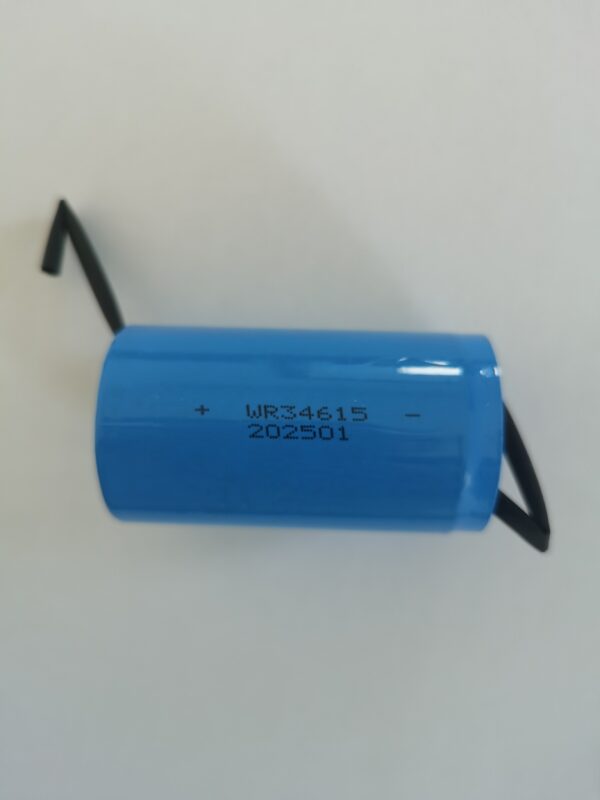
Li-SO₂ Battery for Aircraft Cockpit Emergency Voice Recorders: Technical Excellence in Aviation Safety Systems
Introduction
In the critical domain of aviation safety, Cockpit Voice Recorders (CVR) serve as indispensable components for flight incident investigation and accident prevention. The reliability of these emergency recording systems fundamentally depends on their power source. Lithium Sulfur Dioxide (Li-SO₂) primary batteries have emerged as the preferred energy solution for aircraft cockpit emergency voice recorders, delivering unmatched performance under extreme operational conditions. This article examines the technical advantages, compliance requirements, and implementation considerations of Li-SO₂ batteries in aviation CVR applications from a professional lithium battery manufacturer perspective.
Why Li-SO₂ Chemistry for Aviation Emergency Systems
Li-SO₂ batteries offer distinctive characteristics that align precisely with aviation emergency power requirements:
Extended Storage Life: Li-SO₂ primary cells maintain over 95% capacity retention after 10 years of storage at ambient temperature. This characteristic eliminates frequent battery replacement cycles, reducing maintenance costs for airline operators while ensuring emergency systems remain operational throughout the aircraft’s service life.
Wide Temperature Performance: Aviation equipment must function reliably across temperature ranges from -55°C to +70°C. Li-SO₂ chemistry delivers stable voltage output and consistent discharge performance throughout this entire spectrum, critical for aircraft operating in diverse climatic conditions from arctic routes to tropical regions.
High Energy Density: With volumetric energy density exceeding 500 Wh/L, Li-SO₂ batteries provide maximum power in minimal space—a crucial factor for aircraft installations where weight and volume constraints are paramount.
Low Self-Discharge Rate: Annual self-discharge rates below 1% ensure CVR systems maintain readiness even during extended aircraft grounding periods, a significant advantage over alternative battery chemistries.
Technical Specifications for CVR Applications
Professional aviation battery suppliers must deliver Li-SO₂ cells meeting specific technical parameters for cockpit voice recorder integration:
| Parameter | Specification |
|---|---|
| Nominal Voltage | 3.0V per cell |
| Operating Temperature | -55°C to +70°C |
| Storage Temperature | -40°C to +85°C |
| Shelf Life | 10+ years |
| Discharge Rate | Low to moderate continuous |
| Safety Certification | UN38.3, DO-160 |
CVR systems typically require backup power capable of sustaining recording functions for minimum 2 hours following main power failure. Li-SO₂ battery configurations must be engineered to meet this requirement with appropriate safety margins accounting for temperature extremes and battery aging.
Regulatory Compliance and Certification
Aviation battery suppliers must navigate comprehensive regulatory frameworks:
UN38.3 Testing: All lithium batteries transported by air require UN38.3 safety testing covering altitude simulation, thermal testing, vibration, shock, external short circuit, impact, overcharge, and forced discharge. Professional manufacturers maintain current UN38.3 certification documentation for all aviation-grade products.
RTCA DO-160 Environmental Standards: Aircraft equipment must comply with DO-160 environmental test conditions including temperature variation, humidity, vibration, and electromagnetic compatibility. Li-SO₂ battery systems designed for CVR applications undergo rigorous DO-160 qualification testing.
IATA Dangerous Goods Regulations: The 2026 IATA DGR updates introduce stricter requirements for lithium battery air transport. Manufacturers must ensure proper classification, packaging, labeling, and documentation compliance for all aviation battery shipments.
Implementation Considerations for B2B Customers
Aircraft manufacturers and MRO providers should evaluate several factors when selecting Li-SO₂ battery suppliers for CVR applications:
Quality Management Systems: ISO 9001 and AS9100 certifications demonstrate supplier commitment to aerospace quality standards. Manufacturing processes must include comprehensive traceability from raw materials through finished product.
Technical Support Capability: Professional suppliers provide application engineering support including battery sizing calculations, integration guidance, and failure analysis services throughout the product lifecycle.
Supply Chain Reliability: Aviation programs require long-term supply commitments spanning 15-20 years. Evaluate supplier production capacity, raw material sourcing strategies, and business continuity planning.
Customization Flexibility: CVR installations vary across aircraft platforms. Suppliers offering custom battery pack configurations, connector options, and mounting solutions provide greater integration flexibility.
For detailed product specifications and technical consultation regarding Li-SO₂ battery solutions for aviation applications, visit our primary battery product portfolio. Our engineering team provides comprehensive support for aircraft battery integration projects.
Performance Validation and Testing
Reputable Li-SO₂ battery manufacturers conduct extensive validation testing beyond regulatory minimums:
- Accelerated Life Testing: Simulates 10+ years of storage and operational conditions within compressed timeframes
- Thermal Cycling: Validates performance across full temperature range with repeated cycling
- Vibration Testing: Confirms structural integrity under aircraft operational vibration profiles
- Leak Testing: Ensures hermetic sealing integrity throughout product lifetime
Test documentation should be available for customer review during supplier qualification processes.
Conclusion
Li-SO₂ primary batteries represent the optimal power solution for aircraft cockpit emergency voice recorders, combining exceptional storage life, wide temperature performance, and proven reliability. Aviation industry customers must partner with qualified battery manufacturers who understand regulatory requirements, maintain rigorous quality systems, and provide long-term supply commitment.
For technical inquiries and partnership opportunities regarding aviation-grade Li-SO₂ battery solutions, please contact our specialized team. We deliver certified, reliable power systems that support the highest standards of aviation safety worldwide.
The selection of appropriate emergency power sources for CVR systems directly impacts flight safety investigation capabilities. Li-SO₂ technology, when properly implemented by qualified suppliers, provides the reliability and performance that aviation safety demands.
