

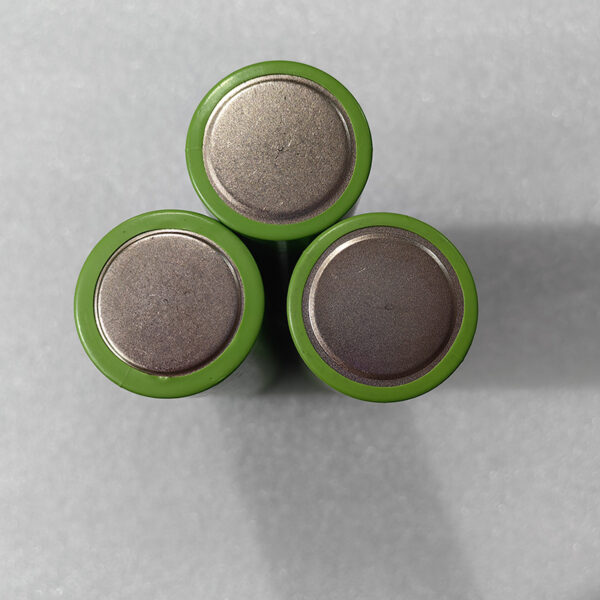
Low MOQ 18650 LFP Cells for Power Tools – Top 5 Problems & Solutions
The growing demand for sustainable and reliable power tool solutions has intensified interest in 18650 LFP (Lithium Iron Phosphate) battery cells. Unlike traditional NMC or LCO chemistries, LFP offers superior thermal stability, extended cycle life, and enhanced safety—critical factors for professional-grade power tools. However, sourcing low MOQ (Minimum Order Quantity) 18650 LFP cells presents unique challenges for engineers and procurement teams. This article identifies the top five problems encountered when procuring these cells and provides actionable solutions backed by technical insights.
Problem 1: Inconsistent Cell Quality Across Low MOQ Batches
Technical Background: LFP cells operate at a nominal voltage of 3.2V with a charging cutoff at 3.6V. The olivine crystal structure of LiFePO₄ provides exceptional thermal stability but requires precise manufacturing controls to maintain consistent capacity and internal resistance.
The Challenge: Small-batch orders often suffer from quality variability due to mixed production lots or Grade B cells being sold as Grade A.
Solution: Partner with verified manufacturers who provide comprehensive test reports including capacity, internal resistance, and cycle life data. Request sample testing before bulk orders. For reliable cylindrical battery cell options, explore CNS Battery’s cylindrical battery cell range.
Problem 2: Limited Supplier Flexibility on MOQ Requirements
The Challenge: Many manufacturers enforce high MOQs (5,000+ units), creating barriers for prototyping, pilot projects, or small-scale production runs.
Solution: Seek suppliers specializing in flexible order structures. Some China-based manufacturers now offer MOQs as low as 100-500 units for qualified B2B clients. Working with established battery manufacturers in China can provide access to competitive pricing without compromising on volume requirements.
Problem 3: Compatibility Issues with Existing Battery Management Systems (BMS)
Technical Background: LFP’s flat discharge curve (3.2V-3.3V for most of the discharge cycle) differs significantly from NMC’s sloped curve (3.7V nominal). This affects state-of-charge (SOC) estimation accuracy.
The Challenge: Power tools designed for NMC cells may experience inaccurate battery level indicators or premature shutdowns when switched to LFP.
Solution: Implement BMS recalibration or upgrade to LFP-specific BMS units with voltage thresholds adjusted for 2.5V discharge cutoff and 3.65V charging cutoff. Ensure cell balancing circuits accommodate LFP’s tighter voltage tolerance windows.
Problem 4: Higher Initial Internal Resistance Impacting Power Output
Technical Background: LFP cells typically exhibit higher internal resistance (35-50mΩ) compared to high-drain NMC cells (20-30mΩ), affecting peak current delivery.
The Challenge: Power tools requiring high burst currents (drills, impact drivers) may experience voltage sag under load.
Solution: Select high-power LFP variants specifically designed for power tool applications. Configure parallel cell arrangements (e.g., 2P or 3P configurations) to reduce effective internal resistance and increase current capacity. Verify continuous and pulse discharge ratings match tool specifications.
Problem 5: Supply Chain Transparency and Certification Gaps
The Challenge: Low MOQ orders sometimes lack proper documentation (UN38.3, CE, UL, MSDS), creating compliance risks for international shipments and end-product certifications.
Solution: Demand full certification packages with every order. Verify manufacturer credentials through third-party audits. Maintain direct communication channels with suppliers for rapid documentation retrieval. For streamlined procurement support, contact CNS Battery directly to ensure compliance requirements are met.
Conclusion
Transitioning to 18650 LFP cells for power tools delivers long-term value through enhanced safety, 2000-5000+ cycle life, and reduced thermal runaway risks. However, successful implementation requires careful attention to quality control, supplier selection, BMS compatibility, power delivery specifications, and regulatory compliance. By addressing these five core challenges proactively, engineering teams and procurement professionals can leverage LFP technology’s advantages while minimizing deployment risks.
For businesses seeking reliable low MOQ solutions with full technical support and certification documentation, partnering with experienced manufacturers remains the most effective strategy for sustainable power tool battery development.

