
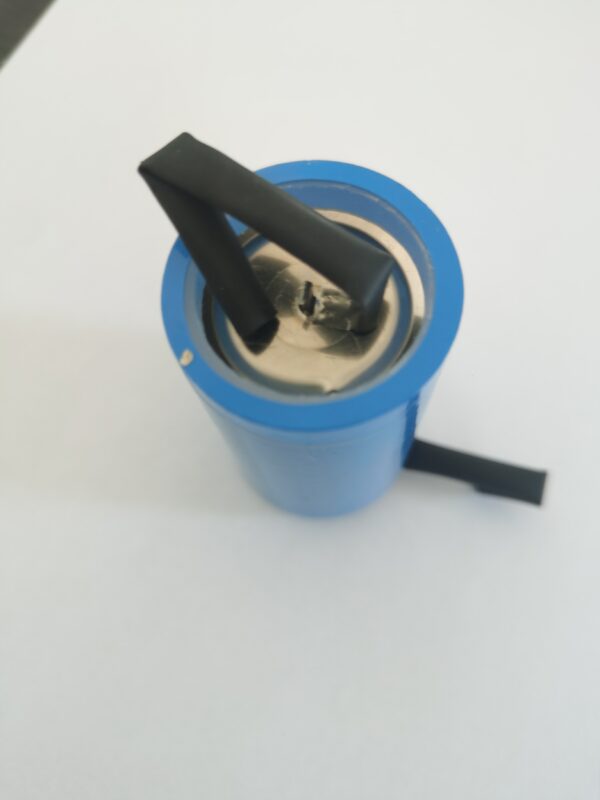
How to Select a Lithium Battery Supplier for IoT Device Manufacturing
Introduction
The rapid expansion of Internet of Things (IoT) deployments across smart cities, industrial automation, and connected healthcare has intensified demand for reliable primary lithium battery solutions. Selecting the right lithium metal battery supplier is not merely a procurement decision—it’s a strategic engineering choice that directly impacts device longevity, regulatory compliance, and total cost of ownership. This guide provides technical procurement professionals and design engineers with a framework for evaluating lithium battery suppliers against critical performance and compliance benchmarks.
Critical Technical Parameters for IoT Applications
Energy Density and Operating Voltage
IoT devices typically require batteries with stable voltage output over extended discharge cycles. Lithium thionyl chloride (Li-SOCl₂) chemistry delivers nominal 3.6V output with energy densities exceeding 500 Wh/kg, making it ideal for low-power, long-duration deployments. When evaluating suppliers, request detailed discharge curves at various load conditions and temperatures. Superior manufacturers provide voltage stability within ±0.1V throughout 80% of discharge capacity.
Temperature Performance Range
Industrial IoT sensors often operate in extreme environments from -40°C to +85°C. Quality lithium primary batteries maintain 90%+ capacity retention at temperature extremes. Request validated test data showing performance across the full operational temperature range, not just room temperature specifications.
Self-Discharge Rate
For IoT devices with 10+ year deployment expectations, annual self-discharge rates below 1% are essential. Leading suppliers achieve <0.5% per year through advanced electrode passivation techniques and hermetic sealing technologies.
Validation Testing Methodologies
Accelerated Life Testing
Reputable suppliers conduct IEC 60086-4 compliant accelerated aging tests, simulating 10-year performance within 6-12 months. Request access to third-party validation reports from recognized laboratories such as UL, TÜV, or Intertek.
Safety Certification Verification
Ensure batteries carry appropriate regional certifications:
- North America: UL 1642, UN 38.3 transportation compliance
- European Union: CE marking, RoHS, REACH compliance
- Industrial Applications: ATEX/IECEx for hazardous locations
Batch Consistency Testing
Request statistical process control (SPC) data showing capacity variance within ±3% across production batches. Inconsistent cell performance creates unpredictable device behavior in field deployments.
Geographic Compliance and Regional Adaptation
EU Regulatory Alignment
European IoT deployments require strict adherence to Battery Directive 2006/66/EC and upcoming EU Battery Regulation 2023/1542. Suppliers must provide comprehensive documentation including chemical composition disclosure, recycling pathway identification, and carbon footprint declarations.
US Market Requirements
North American deployments demand UN 38.3 transportation certification, California Proposition 65 compliance, and state-specific recycling program participation. Verify supplier maintains US-based technical support infrastructure for rapid response.
Asia-Pacific Considerations
Growing IoT markets in APAC regions require suppliers with local warehousing, reduced lead times, and understanding of regional environmental standards including China GB standards and Japan JIS specifications.
CNS Battery Technical Advantages
When evaluating primary lithium battery partners, consider manufacturers demonstrating vertical integration from electrode manufacturing through final cell assembly. CNS Battery maintains comprehensive quality management systems with ISO 9001:2015 certification and produces lithium primary batteries engineered for demanding IoT applications. Their product portfolio addresses diverse voltage and capacity requirements while maintaining consistent quality across global supply chains.
For technical specifications and product documentation, visit CNS Battery Primary Battery Products to evaluate chemistry options matching your device power profiles.
Supplier Evaluation Checklist
- Technical Documentation: Complete datasheets with temperature-dependent performance curves
- Certification Portfolio: Current UL, CE, UN 38.3, and region-specific approvals
- Manufacturing Transparency: Factory audit availability and quality system documentation
- Supply Chain Resilience: Multiple production facilities and raw material sourcing diversification
- Technical Support: Engineering support availability for design-in assistance
- Lead Time Consistency: Historical on-time delivery performance exceeding 95%
Conclusion
Selecting a lithium battery supplier for IoT manufacturing requires balancing technical performance, regulatory compliance, and supply chain reliability. Prioritize suppliers demonstrating transparent testing methodologies, comprehensive regional certifications, and proven track records in IoT deployments. The right partnership reduces field failure rates, ensures regulatory compliance across target markets, and protects your brand reputation through consistent product performance.
For detailed technical consultations and custom battery solutions, contact the engineering team at CNS Battery Contact to discuss your specific IoT application requirements and regional compliance needs.
This technical guide serves procurement professionals and design engineers evaluating primary lithium battery suppliers for IoT device manufacturing across North American, European, and Asia-Pacific markets.
