
Tadiran TL-5903 Li-SOCl₂ Battery Replacement for Heat Meters
Professional Guide for Industrial Procurement and Technical Teams
In the utility metering industry, reliable power sources are critical for maintaining accurate heat consumption data over extended deployment periods. The Tadiran TL-5903 lithium thionyl chloride (Li-SOCl₂) battery has become a standard choice for heat meter applications across Europe, North America, and Asia-Pacific regions. This article provides technical professionals and procurement managers with comprehensive insights into TL-5903 replacement considerations, performance specifications, and compatible alternatives for heat meter deployments.
Understanding TL-5903 Technical Specifications
The Tadiran TL-5903 is a 3.6V primary lithium battery utilizing lithium thionyl chloride chemistry. Key technical parameters include:
- Nominal Voltage: 3.6V DC
- Typical Capacity: 2,400mAh (depending on discharge rate and temperature)
- Dimensions: 14.5mm diameter × 50.5mm height (AA form factor)
- Operating Temperature Range: -55°C to +85°C
- Self-Discharge Rate: Less than 1% per year at ambient temperature
- Expected Service Life: 10-15 years in heat meter applications
This bobbin-type Li-SOCl₂ construction delivers exceptional energy density (approximately 700 Wh/kg) and stable voltage characteristics throughout the discharge cycle. For heat meters deployed in district heating systems across Germany, Scandinavia, and Eastern Europe, these specifications ensure consistent performance under varying environmental conditions.
Critical Replacement Considerations for Heat Meter Operators
1. Voltage Compatibility and Cut-off Thresholds
Heat meter electronics typically operate within a 3.0V to 3.6V range. When evaluating TL-5903 replacements, verify that alternative batteries maintain voltage above the meter’s minimum operating threshold throughout the expected service interval. Li-SOCl₂ chemistry provides a flat discharge curve, with voltage remaining stable until approximately 90% capacity depletion.
2. Pulse Current Capability
Modern heat meters with wireless M-Bus or LoRaWAN communication modules require batteries capable of delivering periodic pulse currents (typically 50-100mA for 100-500ms). Standard bobbin-type Li-SOCl₂ cells may experience voltage delay under high pulse loads. For meters with frequent transmission cycles, consider hybrid layer constructions or cells with enhanced pulse capability.
3. Temperature Performance in Regional Deployments
Heat meters installed in basement utility rooms, outdoor pits, or unheated buildings experience significant temperature variations. Nordic countries (Sweden, Norway, Finland) require batteries performing reliably at -30°C to -40°C ambient conditions. Conversely, Southern European deployments (Spain, Italy, Greece) may encounter sustained temperatures exceeding 50°C in summer months. Quality Li-SOCl₂ batteries maintain capacity retention across this full spectrum.
4. Connector and Termination Options
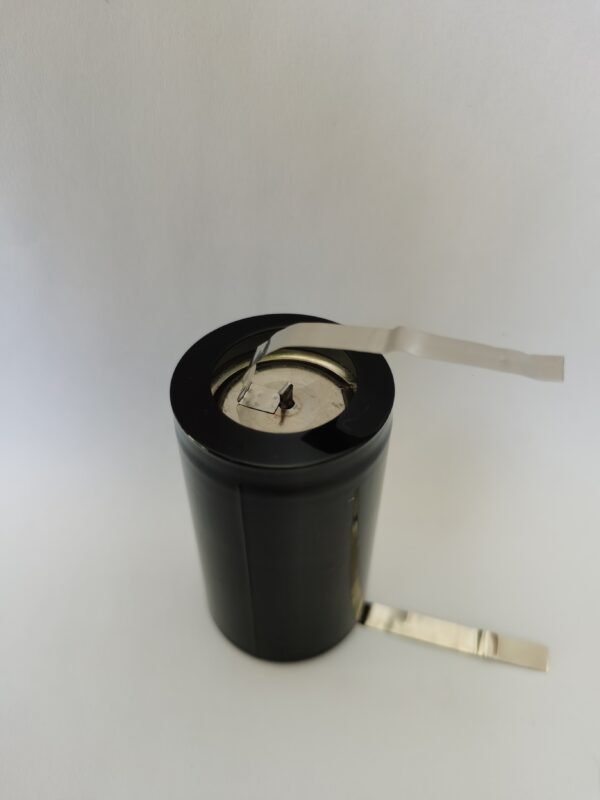
The TL-5903 is available with various termination styles including soldering tabs, wire leads, and custom connectors. When sourcing replacements, match the original termination configuration to avoid meter housing modifications. Common configurations include axial leads, radial tabs, and specialized plugs compatible with Siemens, Kamstrup, and Danfoss heat meter platforms.
Quality Verification and Supplier Assessment
When procuring TL-5903 replacements for commercial heat meter projects, implement the following verification protocols:
Certification Requirements: Demand UN 38.3 transportation certification, IEC 60086-4 safety compliance, and RoHS/REACH documentation. For European deployments, ensure CE marking and compliance with MID (Measuring Instruments Directive) requirements where applicable.
Batch Traceability: Reputable manufacturers provide lot number tracking, production date coding, and certificate of analysis for each shipment. This enables quality audits and failure analysis if field issues arise.
Storage Conditions: Li-SOCl₂ batteries should be stored at 10-25°C with relative humidity below 60%. Improper storage accelerates self-discharge and may compromise the passivation layer essential for long-term performance.
Geographic Supply Chain Considerations
For procurement teams managing heat meter deployments across multiple regions, consider these geographic factors:
- North America: Ensure batteries meet UL recognition and are available through distributors with technical support capabilities in major metropolitan areas (New York, Chicago, Los Angeles, Toronto).
- European Union: Verify compliance with EU Battery Directive 2006/66/EC and upcoming Battery Regulation (EU) 2023/1542 requirements for carbon footprint disclosure.
- Asia-Pacific: For deployments in China, Japan, Australia, and Southeast Asia, confirm local regulatory compliance and availability of regional technical support.
Alternative Solutions and Compatibility
While Tadiran remains a premium brand in the primary lithium battery sector, qualified alternatives exist for cost-sensitive projects without compromising reliability. When evaluating replacements, focus on:
- Chemistry Consistency: Maintain Li-SOCl₂ chemistry rather than switching to lithium manganese dioxide (Li-MnO₂) or other systems with different discharge characteristics.
- Capacity Matching: Ensure replacement capacity equals or exceeds original specifications to maintain expected service intervals.
- Manufacturer Reputation: Select suppliers with proven track records in utility metering applications and willingness to provide application engineering support.
For comprehensive product specifications and technical consultation on primary battery solutions for heat meter and utility applications, visit our primary battery product portfolio. Our engineering team supports procurement decisions with application-specific recommendations based on deployment environment, communication protocols, and expected service life requirements.
Conclusion
The Tadiran TL-5903 Li-SOCl₂ battery represents a proven power solution for heat meter applications worldwide. Successful replacement strategies require careful attention to technical specifications, regional environmental conditions, and supply chain quality assurance. By implementing the verification protocols outlined in this guide, utility companies, meter manufacturers, and facility managers can ensure continued reliable operation of heat measurement infrastructure while optimizing total cost of ownership.
For technical inquiries, replacement specifications, or customized battery solutions for heat meter projects, contact our specialist team through our primary battery contact page. We provide application engineering support for projects across North America, Europe, and Asia-Pacific regions, ensuring your heat meter deployments maintain optimal performance throughout their service lifecycle.
