Real Cycle Life Battery Cell Test Report | CNS BATTERY
In the lithium battery industry, cycle life remains one of the most critical performance indicators for battery cells. At CNS BATTERY, we understand that B2B clients—from energy storage system integrators to electric vehicle manufacturers—require transparent, data-driven test reports to make informed procurement decisions. This article provides an in-depth analysis of our real cycle life battery cell testing methodology, technical parameters, and compliance standards.
Understanding Cycle Life Testing Standards
Cycle life refers to the number of complete charge-discharge cycles a battery cell can undergo before its capacity degrades to a specified threshold, typically 80% of initial capacity. According to international standards including IEC 62660, GB/T 31484, and UN 38.3, cycle life testing must be conducted under controlled environmental conditions with precise monitoring of voltage, current, temperature, and internal resistance.
Our testing facility in China operates under ISO 9001 certification, ensuring every cylindrical battery cell undergoes rigorous validation before market release. Test conditions include:
- Temperature range: 25°C ± 2°C (standard), with optional -20°C to 60°C extended testing
- Charge/discharge rates: 0.5C to 3C depending on application requirements
- Depth of discharge (DOD): 80%-100% for standard cycles
- End-of-test criteria: Capacity retention below 80% or internal resistance increase exceeding 50%
Core Testing Methodology at CNS BATTERY
Our cycle life test protocol follows a multi-stage approach designed to replicate real-world operating conditions while accelerating data collection for B2B decision-making.
Stage 1: Initial Characterization
Before cycle testing begins, each battery cell sample undergoes capacity verification, internal resistance measurement, and open-circuit voltage (OCV) profiling. This baseline data ensures test consistency and identifies any manufacturing variances.
Stage 2: Accelerated Cycle Testing
Using programmable battery test equipment with 512-channel capacity, we conduct continuous charge-discharge cycles while logging performance metrics every 50 cycles. Data points include capacity fade curves, voltage profiles, and temperature fluctuations.
Stage 3: Post-Test Analysis
Upon reaching end-of-life criteria, cells undergo destructive physical analysis (DPA) to examine electrode degradation, SEI layer formation, and electrolyte decomposition. This forensic approach helps our engineering team optimize cell chemistry for extended lifespan.
Technical Performance Data
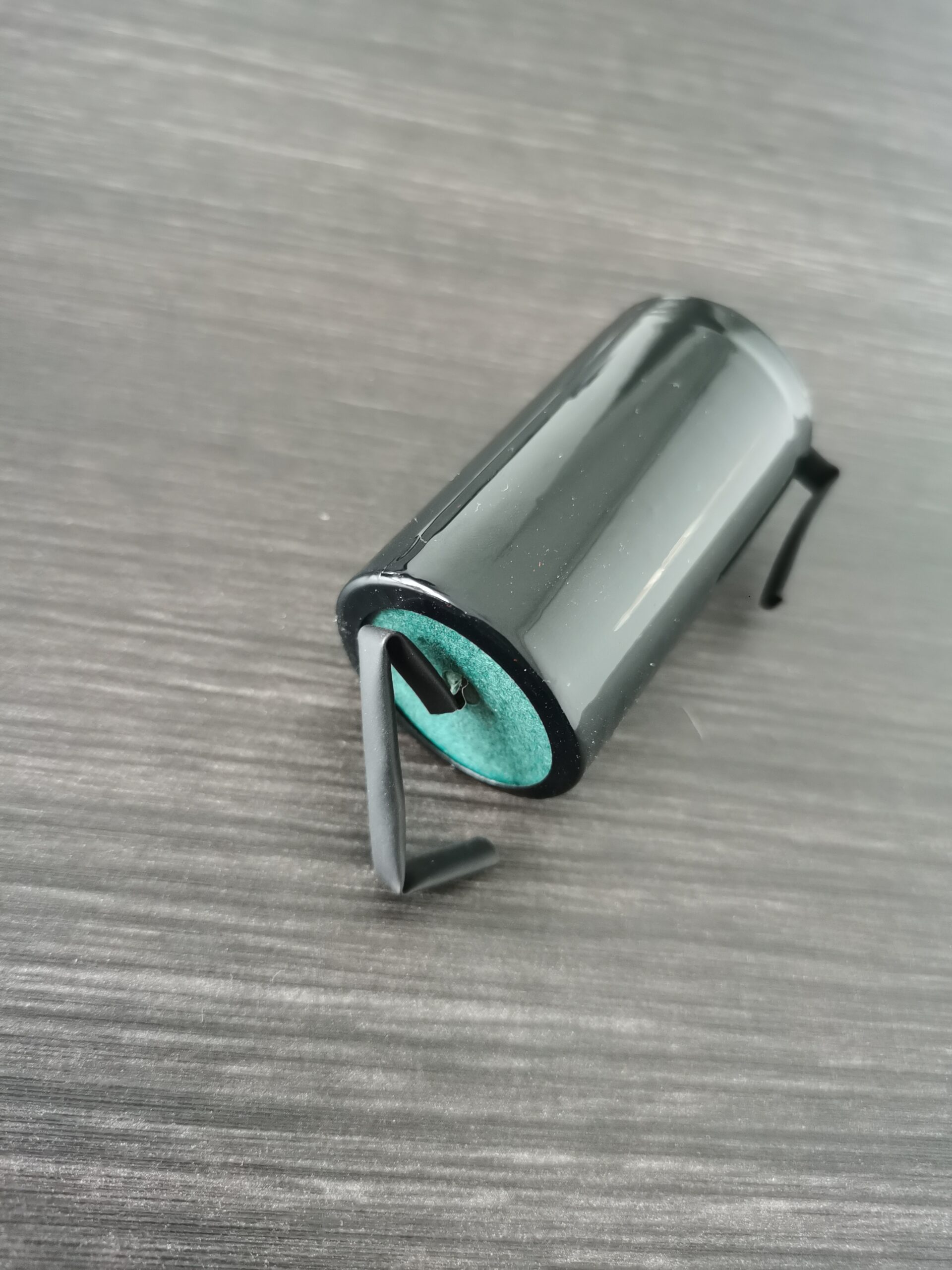
Our cylindrical battery cells, including 18650, 21700, and 32650 formats, demonstrate industry-leading cycle life performance. Typical results show:
- LFP (LiFePO4) Chemistry: 2,000-5,000 cycles at 80% DOD with 85% capacity retention
- NMC (Nickel Manganese Cobalt) Chemistry: 1,000-2,000 cycles at 80% DOD with 80% capacity retention
- High-Temperature Performance: Less than 15% additional degradation at 45°C ambient after 1,000 cycles
These figures are validated through third-party testing laboratories and available upon request for qualified business partners. For detailed specifications on our cylindrical battery cell offerings, visit CNS BATTERY Cylindrical Battery Cell Products.
Geo SEO Considerations for Global Buyers
As one of the leading battery manufacturers in China, CNS BATTERY serves clients across North America, Europe, Southeast Asia, and Africa. Our testing reports comply with regional certification requirements including:
- North America: UL 1642, UL 2054, DOT 38.3
- European Union: CE marking, IEC 62133, UN 38.3
- Asia-Pacific: KC (Korea), PSE (Japan), BIS (India)
This multi-standard compliance ensures seamless market entry for our B2B partners regardless of destination region.
Why Test Report Transparency Matters
In an industry where performance claims vary significantly between suppliers, documented cycle life test reports provide objective verification of battery quality. Key benefits include:
- Risk Mitigation: Verified data reduces project failure risk in energy storage and EV applications
- Warranty Validation: Test reports support warranty claims and lifecycle cost calculations
- Regulatory Compliance: Documentation satisfies due diligence requirements for institutional investors
- Technical Integration: Accurate degradation curves enable precise BMS algorithm development
Partner with CNS BATTERY
For B2B clients seeking reliable lithium battery solutions with verified performance data, CNS BATTERY offers comprehensive technical support including custom test protocols, sample evaluation, and engineering consultation. Our team understands that every application has unique requirements—from grid-scale energy storage to consumer electronics.
To request a complete cycle life test report or discuss your specific battery cell requirements, please contact our sales and technical team. We provide detailed documentation including raw test data, environmental condition logs, and statistical analysis for qualified business partners.
Conclusion: Real cycle life testing is not merely a compliance checkbox—it is a fundamental quality assurance process that separates premium battery manufacturers from commodity suppliers. At CNS BATTERY, we commit to transparent, standards-based testing that empowers our global B2B partners to make confident procurement decisions backed by verifiable data.