Factory Direct 18650 LFP Cells China Export: No Low MOQ for EV Projects Complete Solution
The global electric vehicle (EV) industry continues its rapid expansion, creating unprecedented demand for reliable, cost-effective battery solutions. For engineering teams and technical procurement professionals seeking factory direct 18650 LFP cells from China, the traditional barrier of high minimum order quantities (MOQ) has long presented a significant challenge. Today, forward-thinking manufacturers are reshaping this landscape by offering flexible MOQ structures without compromising quality or technical support.
Understanding 18650 LFP Cell Technology
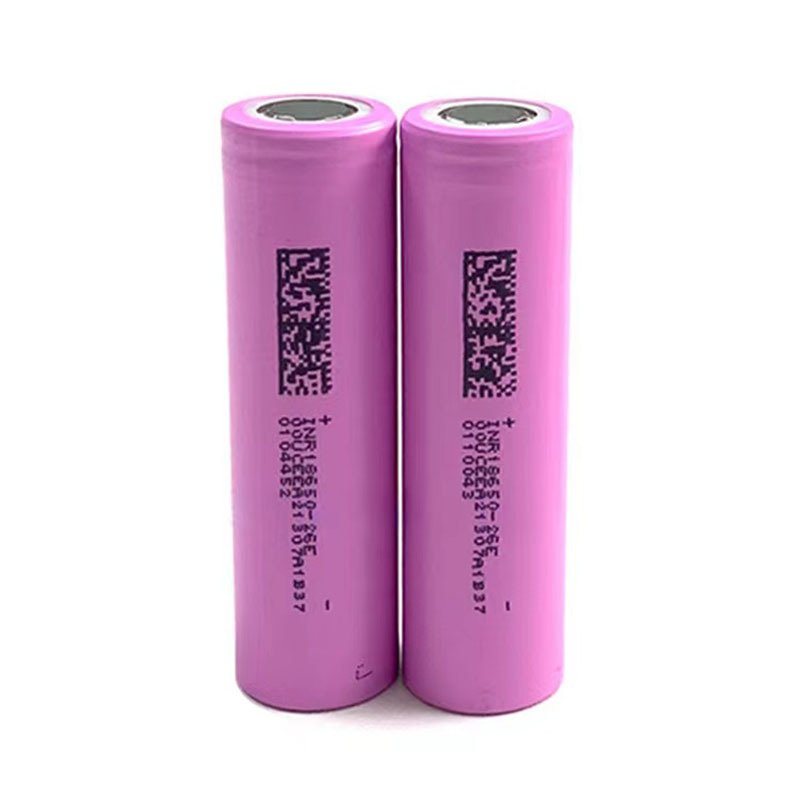
Lithium Iron Phosphate (LFP) chemistry has emerged as the preferred choice for numerous EV applications due to its inherent safety characteristics and extended cycle life. The 18650 cylindrical form factor, measuring 18mm in diameter and 65mm in length, offers excellent thermal management properties and mechanical stability. Unlike NMC or NCA chemistries, LFP cells feature a stable olivine crystal structure that minimizes thermal runaway risks while delivering consistent performance across 2,000 to 5,000 charge cycles.
The electrochemical reaction within LFP cells involves lithium ion migration between the cathode (LiFePO₄) and anode (typically graphite) during charge-discharge cycles. This chemistry operates at a nominal voltage of 3.2V, slightly lower than other lithium-ion variants, but compensates through superior safety margins and reduced degradation rates under high-temperature conditions.
Breaking Down MOQ Barriers for EV Projects
Traditional battery procurement models often required minimum orders exceeding 10,000 units, creating substantial financial risks for prototype development and small-scale production runs. Modern factory-direct approaches now accommodate projects ranging from pilot batches to full-scale manufacturing, enabling engineering teams to validate designs before committing to large-volume purchases.
This flexibility proves particularly valuable for:
- Prototype validation phases where design iterations require smaller cell quantities
- Regional EV manufacturers entering emerging markets with limited initial production targets
- Specialty vehicle applications including electric buses, commercial fleets, and industrial equipment
- Research institutions developing next-generation battery management systems
For comprehensive manufacturer capabilities and partnership opportunities, explore detailed information at battery manufacturers in China.
Quality Assurance and Technical Support Infrastructure
Factory-direct procurement eliminates intermediary markups while establishing direct communication channels between engineering teams and production facilities. Reputable Chinese manufacturers now implement ISO 9001, IATF 16949, and UN 38.3 certifications as standard requirements, ensuring cells meet international safety and performance benchmarks.
Critical quality parameters include:
- Capacity tolerance maintained within ±3% of rated specifications
- Internal resistance consistency below 35mΩ for optimal power delivery
- Self-discharge rates under 3% monthly at 25°C storage conditions
- Dimensional precision ensuring seamless pack assembly integration
Technical support extends beyond initial procurement, encompassing cell matching recommendations, thermal modeling assistance, and battery management system (BMS) compatibility guidance. This comprehensive approach reduces integration risks and accelerates time-to-market for EV projects.
Complete Solution Framework for EV Integration
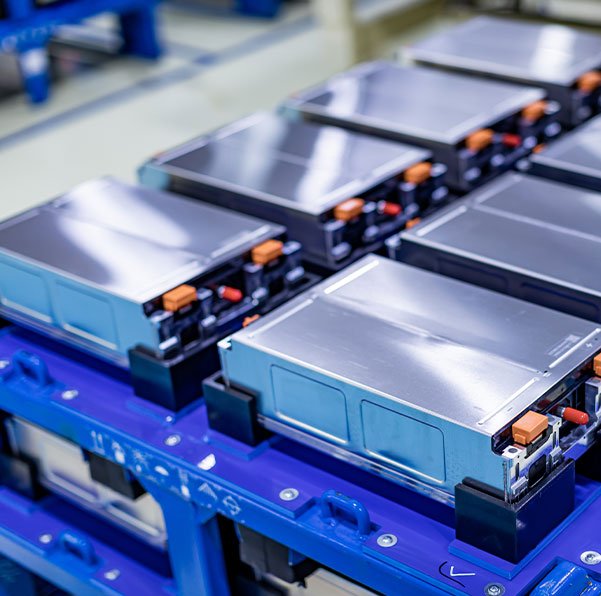
Successful EV battery deployment requires more than cell procurement—it demands integrated solution support spanning design, testing, and production phases. Leading manufacturers now provide:
Design Phase Support: Cell selection guidance based on specific power-density requirements, thermal constraints, and lifecycle expectations. Engineering teams receive detailed specification sheets, safety data documentation, and application notes tailored to their vehicle architecture.
Testing and Validation: Access to certified testing facilities for cycle life evaluation, abuse testing, and environmental stress screening. This infrastructure enables comprehensive validation before committing to production volumes.
Supply Chain Reliability: Established logistics networks ensure consistent delivery schedules with proper hazardous materials handling and documentation for international shipments.
For detailed product specifications and technical documentation, visit our cylindrical battery cell catalog.
Cost Optimization Without Quality Compromise
Factory-direct models typically reduce per-cell costs by 15-25% compared to distributor channels while maintaining traceability and warranty support. The elimination of intermediate markups, combined with flexible MOQ structures, enables more accurate project budgeting and reduced inventory carrying costs.
Total cost of ownership calculations should incorporate:
- Initial procurement pricing
- Integration engineering expenses
- Quality failure rates and warranty claims
- Long-term replacement and maintenance requirements
Strategic Partnership Considerations
When evaluating Chinese LFP cell suppliers, technical procurement teams should assess manufacturing capacity, R&D investment levels, and export compliance track records. Established manufacturers demonstrate transparent production processes, regular third-party audit results, and responsive communication channels across multiple time zones.
Long-term partnerships benefit from clear contractual frameworks addressing quality standards, delivery commitments, intellectual property protection, and dispute resolution mechanisms. These foundations enable scalable collaboration as EV projects progress from development to mass production.
Moving Forward with Confidence
The evolution of factory-direct 18650 LFP cell procurement represents a significant advancement for the global EV industry. By removing traditional MOQ barriers while maintaining rigorous quality standards, manufacturers enable more organizations to participate in electric mobility innovation.
Engineering teams and procurement professionals now possess the flexibility to source reliable battery solutions aligned with their specific project requirements, timelines, and budget constraints. This accessibility accelerates EV adoption across diverse market segments while fostering continued technological advancement.
For partnership inquiries and technical consultations, connect directly through our contact page to discuss your specific EV project requirements and explore customized solution pathways.
The transition to sustainable transportation demands collaborative innovation between battery manufacturers and EV developers. Factory-direct 18650 LFP cell solutions with flexible MOQ structures represent a practical step toward democratizing access to high-quality energy storage technology, enabling broader participation in the electric vehicle revolution.