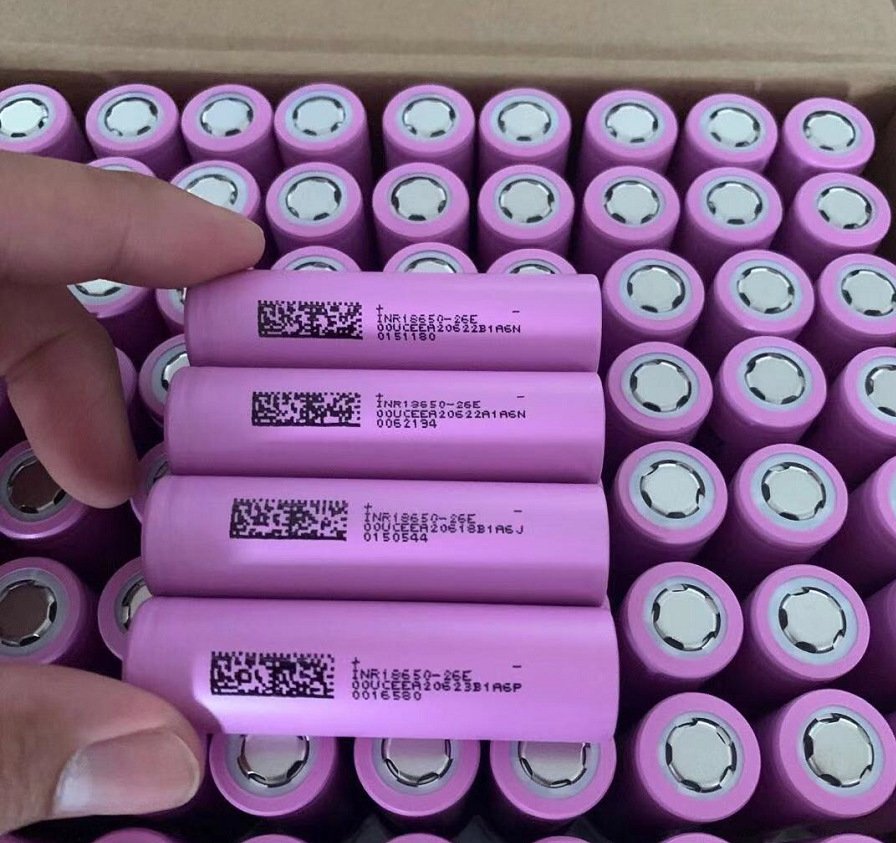
Complete High Discharge Rate Solution for EV Using High-Quality 18650 LFP Cells Ideal for Manufacturers
Introduction
The electric vehicle (EV) industry continues to evolve rapidly, with manufacturers seeking reliable power solutions that balance performance, safety, and cost-effectiveness. Among various battery chemistries, Lithium Iron Phosphate (LFP) cells have emerged as a preferred choice for applications demanding high discharge rates and extended cycle life. This article explores how premium 18650 LFP cells deliver complete high discharge rate solutions for EV manufacturers, examining technical specifications, thermal management considerations, and integration best practices.
Understanding LFP Chemistry for High Discharge Applications
Lithium Iron Phosphate (LiFePO₄) chemistry offers distinct advantages over traditional NMC or NCA counterparts, particularly in high-discharge scenarios. The olivine crystal structure provides exceptional thermal stability, with decomposition temperatures exceeding 270°C compared to 150°C for cobalt-based chemistries. This inherent safety characteristic makes LFP cells ideal for EV applications where thermal runaway prevention is critical.
The 18650 form factor (18mm diameter × 65mm length) remains industry-standard due to its proven manufacturing scalability and compatibility with existing battery management systems. When engineered for high discharge rates, these cells typically support continuous discharge currents of 3C to 5C, with pulse discharge capabilities reaching 10C for brief acceleration demands.
Key Technical Parameters for EV Integration
Voltage Characteristics: LFP cells operate at a nominal voltage of 3.2V, with working ranges between 2.5V and 3.65V. This flatter discharge curve requires sophisticated battery management systems (BMS) to accurately estimate state-of-charge (SOC), but provides consistent power delivery throughout the discharge cycle.
Internal Resistance: High-quality 18650 LFP cells maintain internal resistance below 35mΩ, minimizing heat generation during high-current operations. Lower internal resistance directly translates to improved efficiency and reduced thermal management requirements.
Cycle Life: Premium LFP cells deliver 2,000 to 5,000 full discharge cycles at 80% depth-of-discharge, significantly outperforming alternative chemistries in long-term durability assessments.
Thermal Management Considerations
High discharge rates generate substantial heat that must be effectively managed. Manufacturers should implement:
- Active cooling systems for continuous discharge above 3C
- Thermal interface materials between cells and cooling plates
- Temperature monitoring at multiple pack locations
- Current derating protocols when cell temperatures exceed 45°C
Proper thermal design ensures cells operate within optimal temperature ranges (15°C to 35°C), maximizing both performance and longevity.
Manufacturing and Quality Assurance
For EV manufacturers, partnering with established battery manufacturers in China provides access to scalable production capabilities and rigorous quality control processes. Key manufacturing considerations include:
Cell Matching: Voltage, capacity, and internal resistance should be matched within 1% tolerance for pack assembly to prevent imbalance during operation.
Welding Techniques: Laser welding provides superior connection reliability compared to spot welding for high-discharge applications, reducing connection resistance and heat generation.
Quality Testing: Comprehensive testing should include capacity verification, internal resistance measurement, self-discharge rate assessment, and cycle life validation before pack integration.
Product Integration and Support
Manufacturers seeking reliable 18650 LFP solutions should evaluate cylindrical battery cell options that meet specific discharge rate requirements. Technical teams must verify cell specifications against application demands, considering peak current requirements, operating temperature ranges, and expected service life.
For detailed technical consultations and customization requirements, manufacturers can reach out through our contact page to discuss specific project needs, sample requests, and volume pricing structures.
Conclusion
High-quality 18650 LFP cells represent a mature, reliable solution for EV manufacturers prioritizing safety, cycle life, and high discharge performance. By understanding the technical parameters, implementing proper thermal management, and partnering with qualified suppliers, manufacturers can develop competitive EV platforms that meet demanding market requirements. The combination of proven chemistry, standardized form factor, and continuous manufacturing improvements positions LFP technology as a cornerstone solution for the next generation of electric mobility applications.
Technical specifications and performance data should be verified against specific cell datasheets before final system design. All discharge rate claims assume proper thermal management and BMS implementation.