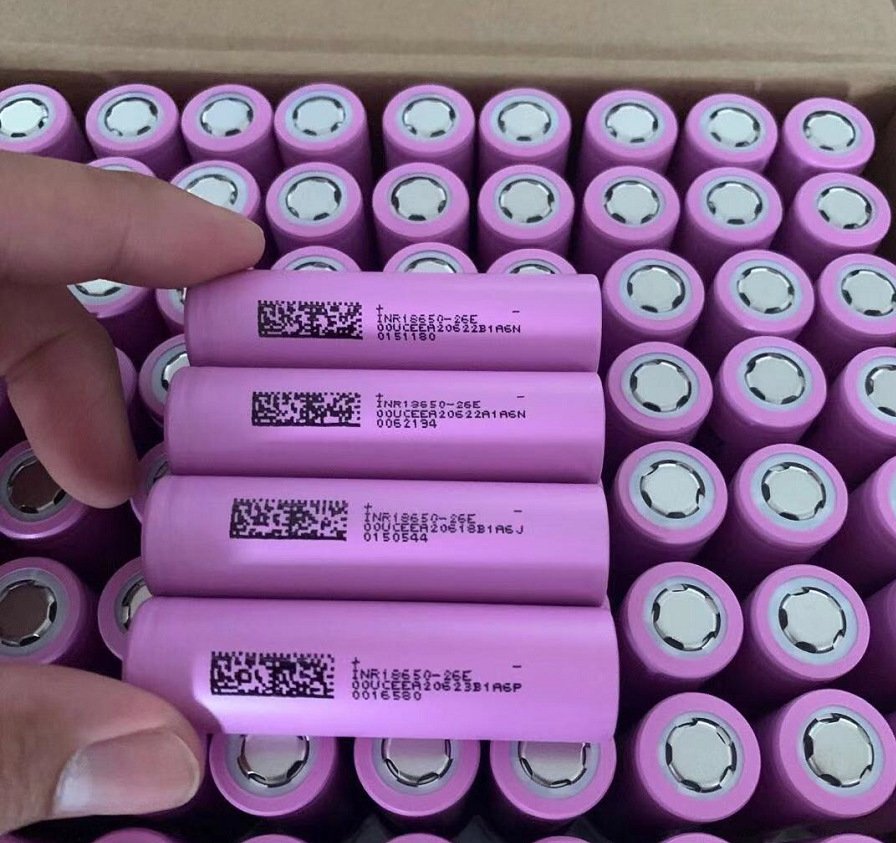
Factory Direct 18650 LFP Cells China Export: No Minimal Capacity Fade for Solar Storage Projects Ultimate Guide
The global shift toward renewable energy has intensified demand for reliable energy storage solutions. For solar storage projects, 18650 LFP (Lithium Iron Phosphate) cells have emerged as the preferred choice due to their exceptional cycle life, thermal stability, and minimal capacity fade. As a leading battery technology specialist, this guide provides an in-depth technical breakdown for overseas engineers and procurement professionals evaluating factory-direct 18650 LFP cells from China for large-scale solar deployments.
Why 18650 LFP Cells Dominate Solar Storage Applications
LFP chemistry offers inherent advantages over NMC or NCA alternatives, particularly for stationary storage. The olivine crystal structure of LiFePO₄ provides superior thermal runaway resistance, with decomposition temperatures exceeding 270°C compared to 150°C for conventional lithium-ion chemistries. This makes 18650 LFP cells ideal for solar installations in high-ambient-temperature regions across the Middle East, Southeast Asia, and Africa.
The key performance metric for solar storage is capacity retention over extended cycling. Premium 18650 LFP cells demonstrate less than 20% capacity fade after 6,000+ cycles at 80% Depth of Discharge (DOD), translating to 15+ years of operational life in daily cycling scenarios.
Critical Technical Parameters for Solar Project Evaluation
When sourcing factory-direct 18650 LFP cells, technical buyers must verify the following specifications:
| Parameter | Industry Standard | Premium Grade |
|---|---|---|
| Nominal Capacity | 1,500-1,800mAh | 1,800-2,000mAh |
| Cycle Life (@80% DOD) | 4,000 cycles | 6,000+ cycles |
| Internal Resistance | ≤35mΩ | ≤25mΩ |
| Operating Temperature | -20°C to 60°C | -30°C to 65°C |
| Capacity Fade (Year 1) | ≤5% | ≤2% |
Low internal resistance directly correlates with reduced heat generation during high-current charging from solar inverters. Cells exceeding 35mΩ should be rejected for commercial solar applications.
Validation Testing Protocols for Capacity Fade Assessment
Reputable manufacturers provide third-party testing documentation following IEC 62619 and UL 1973 standards. Essential validation tests include:
- Cycle Life Testing: 6,000+ cycles at 1C charge/discharge, 25°C ambient
- Calendar Life Testing: 12-month storage at 45°C, 50% SOC
- Thermal Abuse Testing: Heat exposure up to 150°C without thermal runaway
- Capacity Retention Tracking: Monthly capacity measurements with <0.3% monthly degradation
Procurement teams should request batch-specific test reports rather than generic certification documents. This ensures traceability and quality consistency across production lots.
Regional Compliance and Technical Barriers for Global Markets
Export compliance represents a critical consideration for China-based battery manufacturers serving international solar projects. Different regions enforce distinct regulatory frameworks:
- European Union: CE marking requires compliance with EN 62619, UN 38.3 transport certification, and upcoming EU Battery Regulation 2023/1542 requiring digital battery passports
- United States: UL 1973 certification mandatory for stationary storage, plus state-specific requirements (California Title 24, New York Energy Storage Safety Program)
- Australia: AS/NZS 5139 compliance for battery installation safety
- India: BIS certification required for imported lithium cells
Manufacturers with established export infrastructure maintain dedicated compliance teams to navigate these requirements. For detailed manufacturer verification, visit battery manufacturers in China to assess production capabilities and certification portfolios.
CNS Technology Integration for Solar Storage Optimization
Advanced 18650 LFP cells incorporate intelligent BMS compatibility features, including precise voltage monitoring (±5mV accuracy) and temperature sensing integration points. This enables seamless integration with commercial solar inverter systems from SMA, Fronius, and Growatt.
For engineering teams evaluating cell-level specifications for custom battery pack designs, comprehensive product documentation is available at cylindrical battery cell products. Technical support teams provide cell matching services ensuring <3% capacity variance within battery packs, critical for preventing premature degradation from cell imbalance.
Supply Chain Considerations for Factory-Direct Procurement
Direct manufacturer engagement eliminates distributor markups while ensuring traceability. Key advantages include:
- Lot Traceability: Full production batch documentation for warranty claims
- Customization Options: Capacity binning, terminal configurations, and labeling per project requirements
- Lead Time Optimization: 4-6 weeks for standard specifications versus 12+ weeks through distributors
- Technical Support: Direct engineering consultation for pack design validation
For procurement inquiries and technical consultation, contact the manufacturing team directly at contact page.
Conclusion: Strategic Selection for Long-Term Solar ROI
The minimal capacity fade characteristic of premium 18650 LFP cells directly impacts solar project economics. Each 1% improvement in annual capacity retention extends system profitability by approximately 8-12 months over a 20-year project lifespan. Engineering teams prioritizing verified cycle life data, regional compliance certification, and factory-direct supply chains will achieve optimal total cost of ownership for utility-scale and commercial solar storage deployments.
As global battery regulations tighten, partnering with manufacturers maintaining comprehensive certification portfolios becomes increasingly critical for project bankability and insurance approval.