

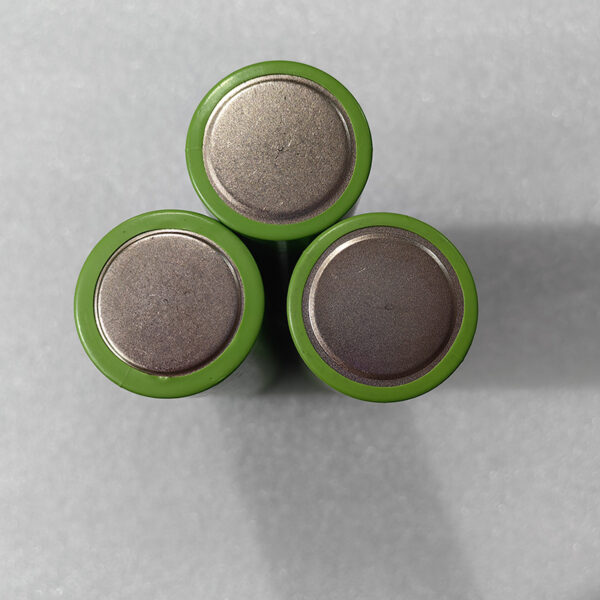
18650 Battery Cell RoHS Compliant | EU Market CNS BATTERY
Introduction: RoHS Compliance as a Market Entry Imperative
For engineering professionals and technical procurement specialists targeting the European Union market, RoHS (Restriction of Hazardous Substances) compliance represents more than a regulatory checkbox—it is a fundamental requirement for market access and product liability management. As of 2026, the EU has implemented significant updates to the RoHS framework through Directive (EU) 2025/2456, transferring hazardous substance oversight to the European Chemicals Agency (ECHA). This regulatory evolution directly impacts 18650 cylindrical lithium battery cell manufacturers and their downstream integration partners.
Understanding RoHS 3.0 Requirements for 18650 Cells
The current RoHS 3.0 framework (Directive 2011/65/EU as amended by EU 2015/863) restricts ten hazardous substances in electrical and electronic equipment. For 18650 battery cells, compliance verification focuses on the following substance limits:
| Substance | Maximum Concentration Value |
|---|---|
| Lead (Pb) | ≤0.1% (1000 ppm) |
| Mercury (Hg) | ≤0.1% (1000 ppm) |
| Cadmium (Cd) | ≤0.01% (100 ppm) |
| Hexavalent Chromium (Cr⁶⁺) | ≤0.1% (1000 ppm) |
| Polybrominated Biphenyls (PBB) | ≤0.1% (1000 ppm) |
| Polybrominated Diphenyl Ethers (PBDE) | ≤0.1% (1000 ppm) |
| DEHP, BBP, DBP, DIBP (Phthalates) | ≤0.1% (1000 ppm) |
Technical Note: The 18650 designation refers to cylindrical cell dimensions—18mm diameter, 65mm length, with “0” indicating cylindrical format. Common chemistries include Li-ion (3.7V nominal, 4.2V charge cutoff) and LiFePO4 (3.2V nominal, 3.6V charge cutoff), with typical capacities ranging from 1200mAh to 3350mAh.
Critical Compliance Considerations for Battery Manufacturers
1. Material Sourcing and Supply Chain Verification
RoHS compliance begins at the raw material level. Battery manufacturers must establish documented supply chain traceability for:
- Cathode materials (NMC, NCA, LCO, LFP)
- Anode materials (graphite, silicon composites)
- Electrolyte formulations
- Separator films
- Cell casing materials (typically steel or aluminum alloys)
Exemption Awareness: Certain lead-containing alloys in battery terminals may qualify for temporary exemptions under RoHS Annex III. However, the December 2025 exemption list updates indicate increased scrutiny on extension requests, particularly for steel, aluminum, and copper alloy applications.
2. Testing Methodology and Documentation
Compliance verification follows IEC 62321 testing standards, employing:
- X-ray Fluorescence (XRF) screening for initial assessment
- Inductively Coupled Plasma Mass Spectrometry (ICP-MS) for quantitative analysis
- Gas Chromatography-Mass Spectrometry (GC-MS) for phthalate detection
Technical documentation must include test reports from accredited laboratories, material declarations, and conformity assessment records maintained for ten years post-market placement.
3. Integration with CE Marking Requirements
RoHS compliance forms an integral component of CE marking for battery-containing products entering the EU market. Non-compliance consequences include:
- Product detention at EU ports (documented cases show significant financial losses)
- RAPEX system notifications (37% increase in Chinese product violations reported in H1 2025)
- Market withdrawal orders and potential liability claims
CNS BATTERY: Your RoHS-Compliant 18650 Cell Partner
CNS BATTERY maintains comprehensive RoHS 3.0 compliance across our cylindrical battery cell manufacturing operations. Our 18650 product line undergoes rigorous third-party testing with full documentation available for technical review and procurement qualification processes.
Product Portfolio: Explore our complete range of RoHS-compliant cylindrical battery cells at Cylindrical Battery Cell Products, engineered for EU market requirements and global distribution standards.
Manufacturing Capability: As established Battery Manufacturers in China, we operate ISO-certified production facilities with integrated quality management systems supporting consistent compliance verification and batch traceability.
Technical Support: Our engineering team provides comprehensive compliance documentation, including material safety data sheets, test certificates, and conformity declarations for your regulatory submission requirements.
Conclusion: Compliance as Competitive Advantage
In the evolving EU regulatory landscape, RoHS compliance transcends basic market access—it represents a quality differentiator and risk mitigation strategy for B2B procurement decisions. The 2025-2026 regulatory updates underscore the importance of partnering with manufacturers who maintain proactive compliance programs rather than reactive certification approaches.
For technical inquiries, compliance documentation requests, or procurement qualification discussions, contact our international business team at CNS BATTERY Contact. We support engineering teams and procurement specialists with the technical data and certification packages necessary for successful EU market deployment.
This technical briefing reflects regulatory requirements as of March 2026. RoHS exemption lists undergo periodic review; manufacturers should verify current exemption status for specific applications through ECHA databases or qualified compliance consultants.


