
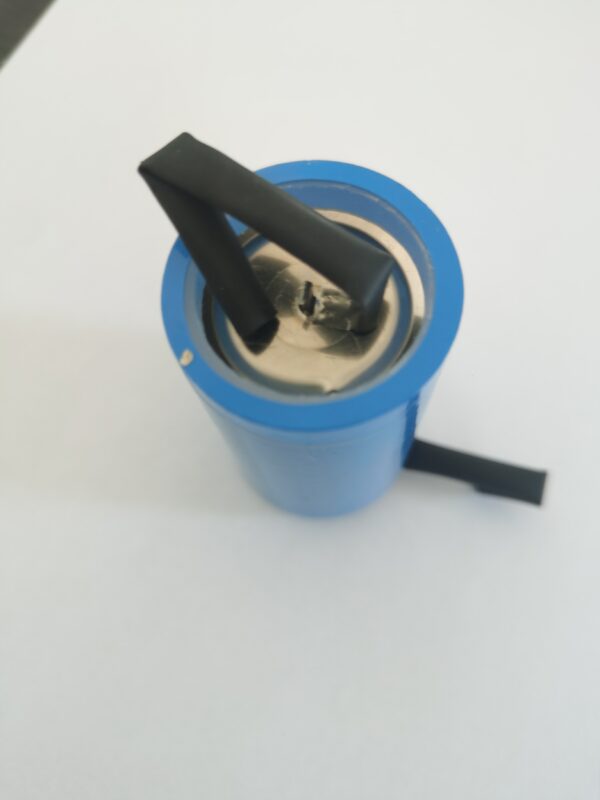
How to Handle Lithium Battery Customs Duties and Taxes Globally
Navigating the complex landscape of international lithium battery trade requires comprehensive understanding of customs classifications, duty structures, and regulatory compliance. As global demand for primary lithium metal batteries continues to surge across medical devices, IoT sensors, and military applications, engineers and technical procurement specialists must master the intricacies of cross-border battery commerce. This guide provides essential insights for streamlined customs clearance and cost optimization.
Understanding HS Code Classifications for Lithium Metal Batteries
The foundation of accurate customs duty calculation begins with proper Harmonized System (HS) code classification. Primary lithium metal batteries typically fall under HS code 8506.50, which covers lithium primary cells and batteries. However, regional variations exist:
- United States: HTSUS 8506.50.0000
- European Union: CN Code 8506.50.00
- China: HS 8506.50.0000
Misclassification can result in significant penalties, shipment delays, or confiscation. Technical procurement teams should verify battery chemistry (lithium-thionyl chloride, lithium-manganese dioxide, etc.) matches documentation, as different chemistries may trigger varying duty rates ranging from 2.5% to 6.5% depending on destination country and trade agreements.
Regional Duty and Tax Considerations
North America
Under USMCA provisions, qualifying lithium battery shipments between member countries may receive preferential duty treatment. However, Section 301 tariffs on Chinese-origin batteries can add 25% additional duties. The U.S. Foreign Entity of Concern (FEOC) regulations implemented in 2025 further complicate supply chain compliance for government-related procurement.
European Union
EU imports face standard Most Favored Nation (MFN) rates plus 20-27% VAT depending on member state. The EU Battery Regulation (2023/1542) mandates carbon footprint declarations and due diligence documentation for batteries exceeding 2kWh, though primary lithium batteries typically fall below this threshold. REACH compliance remains mandatory for all chemical substances contained within battery components.
Asia-Pacific
ASEAN countries offer reduced duties under ATIGA frameworks, while Japan maintains relatively low import tariffs (0-3%) on industrial batteries. Australia’s GST (10%) applies to CIF value plus duty. Recent 2025 data shows Chinese lithium battery exports reached $34.1 billion in the first half alone, reflecting growing regional trade volumes requiring sophisticated customs management.
Critical Documentation Requirements
Successful customs clearance demands comprehensive documentation packages:
- Commercial Invoice with detailed battery specifications (voltage, capacity, chemistry, UN number)
- Packing Declaration confirming proper hazardous materials packaging
- UN 38.3 Test Report demonstrating transport safety compliance
- Material Safety Data Sheet (MSDS) updated within 24 months
- Certificate of Origin for preferential duty claims
- Dangerous Goods Declaration for air/sea freight
For primary lithium metal batteries (UN3090, UN3091), the State of Charge (SoC) restrictions effective January 2026 under IATA DGR 67th Edition require shipments to maintain ≤30% capacity for certain configurations. While primarily affecting rechargeable systems, this impacts mixed shipments containing both primary and secondary cells.
Transportation Regulation Compliance
The 2025-2026 regulatory updates significantly impact logistics planning:
- IATA DGR 67th Edition (effective January 2026) strengthens SoC requirements and packaging standards
- UN3557 classification now applies to lithium metal battery-powered vehicles (previously UN3171)
- Section II exemptions under PI966 require careful watt-hour calculations
- 3-meter stacking tests mandatory for all lithium battery packaging
Non-compliance risks include carrier rejection, regulatory fines exceeding $50,000 per violation, and potential criminal liability for willful violations. Technical teams should coordinate with certified dangerous goods specialists before international shipments.
Best Practices for Duty Optimization
Strategic approaches can significantly reduce total landed costs:
Free Trade Agreement Utilization: Verify country-of-origin eligibility for preferential rates under bilateral agreements. Proper Certificate of Origin documentation can reduce duties by 50-100% in qualifying scenarios.
Bonded Warehouse Strategies: For high-volume importers, bonded facilities defer duty payments until goods enter domestic commerce, improving cash flow management.
Accurate Valuation Methods: Ensure transfer pricing between related entities reflects arm’s-length transactions to avoid customs valuation disputes and subsequent penalties.
Classification Rulings: Request binding tariff information from customs authorities before large shipments to secure predictable duty rates and avoid retroactive assessments.
Working with Qualified Partners
Given the technical complexity of lithium battery regulations, partnering with experienced manufacturers and logistics providers proves invaluable. Reputable suppliers maintain comprehensive compliance documentation and can provide technical support throughout the customs clearance process. For detailed product specifications and compliance documentation, visit our primary battery product page.
Technical procurement teams should establish relationships with customs brokers specializing in hazardous materials and maintain open communication channels with regulatory consultants. When questions arise regarding specific shipments or compliance requirements, direct consultation ensures accurate guidance. Reach our technical team through our contact page for personalized support.
Conclusion
Mastering global lithium battery customs procedures requires ongoing attention to evolving regulations, accurate documentation, and strategic partnership selection. As 2026 brings enhanced IATA requirements and continued regional regulatory divergence, technical professionals must remain vigilant about compliance updates. By implementing the frameworks outlined above, engineering and procurement teams can minimize clearance delays, optimize duty costs, and maintain reliable supply chains for critical primary lithium battery applications across global markets.
The investment in compliance infrastructure today prevents costly disruptions tomorrow, ensuring your lithium battery-powered devices reach their destinations safely, legally, and cost-effectively.
