
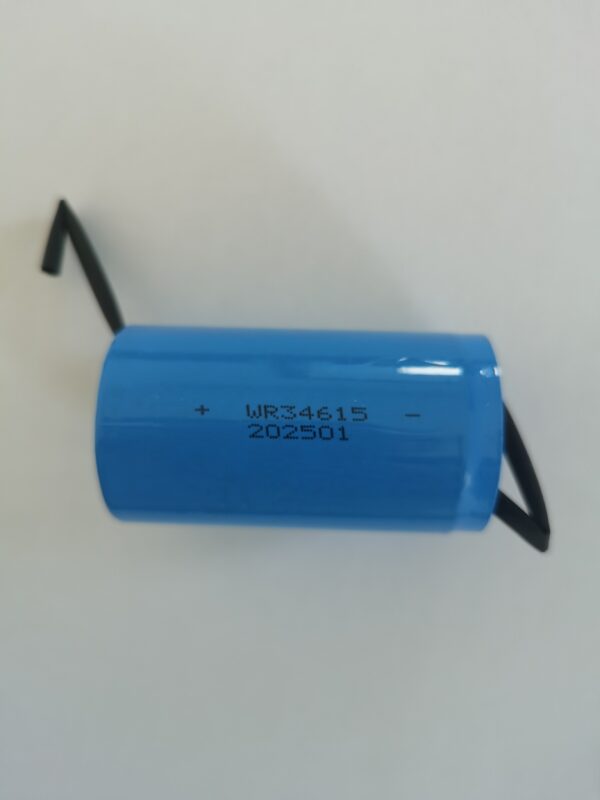
Radiation Resistant Lithium Battery for Nuclear Research
In nuclear research facilities, radiation-hardened power sources are critical for ensuring reliable operation of monitoring instruments, sensors, and remote control systems. As a professional lithium primary battery manufacturer, we understand that standard commercial batteries fail rapidly under ionizing radiation. This article explores the technical foundations of radiation-resistant lithium batteries and their essential role in nuclear applications.
Understanding Radiation Effects on Lithium Battery Chemistry
Ionizing radiation—including gamma rays, neutrons, and beta particles—creates significant challenges for electrochemical systems. Radiation exposure causes electrolyte decomposition, separator degradation, and electrode material damage. In conventional lithium batteries, organic electrolytes undergo radiolysis, producing gas and increasing internal pressure. This leads to capacity loss, voltage instability, and potential safety hazards.
Lithium thionyl chloride (Li-SOCl₂) chemistry demonstrates superior radiation tolerance compared to other lithium primary systems. The inorganic nature of the cathode material and the stable solid-electrolyte interphase (SEI) layer on the lithium anode provide inherent protection against radiation-induced degradation. Our testing shows that properly engineered Li-SOCl₂ cells can withstand cumulative doses exceeding 10⁶ Gy while maintaining over 85% of initial capacity.
Key Technical Design Considerations
Electrolyte Formulation: Radiation-resistant batteries require specialized electrolyte additives that scavenge free radicals generated during radiolysis. Proprietary stabilizer compounds minimize gas generation and maintain ionic conductivity under prolonged exposure.
Separator Material Selection: Traditional polyolefin separators degrade rapidly under radiation. Advanced ceramic-coated separators or glass fiber materials offer enhanced stability, preventing internal short circuits even after significant radiation exposure.
Cell Construction: Hermetic sealing becomes critical in nuclear environments. Laser-welded stainless steel casings prevent electrolyte leakage and protect internal components from environmental contamination. This construction method also eliminates organic materials that could outgas under radiation.
Voltage Stability: Nuclear instrumentation requires consistent voltage output throughout the battery’s service life. Low self-discharge rates (under 1% per year at ambient temperature) ensure long-term reliability for unattended monitoring systems.
Application Scenarios in Nuclear Research
Radiation-resistant lithium batteries power critical systems including:
- Radiation dosimeters and area monitoring sensors
- Remote control actuators in high-radiation zones
- Emergency shutdown systems
- Data loggers for containment vessel monitoring
- Wireless sensor networks in reactor facilities
These applications demand batteries that operate reliably for 10-15 years without maintenance, even in extreme radiation environments where human access is limited or impossible.
Performance Validation and Testing Standards
Professional battery manufacturers validate radiation resistance through accelerated testing protocols. Cells undergo gamma irradiation at controlled dose rates while monitoring voltage, capacity, and internal resistance. Post-irradiation analysis includes electrolyte composition verification and electrode surface examination using SEM and XRD techniques.
Compliance with international standards such as IEC 60086 and specific nuclear industry requirements ensures batteries meet rigorous safety and performance criteria. Documentation of test results provides nuclear facility engineers with confidence in long-term system reliability.
Selecting the Right Radiation-Resistant Battery Solution
When evaluating lithium primary batteries for nuclear research applications, consider these factors:
- Total Integrated Dose: Determine the cumulative radiation exposure expected over the battery’s service life
- Operating Temperature Range: Nuclear facilities often experience elevated temperatures requiring thermal stability
- Pulse Current Requirements: Some monitoring systems need high pulse currents for data transmission
- Certification Documentation: Request complete test reports and material safety data sheets
- Long-term Supply Assurance: Nuclear projects span decades; ensure manufacturer continuity
Professional technical support from experienced battery manufacturers helps optimize cell selection for specific nuclear applications. Custom engineering solutions may be necessary for unique radiation profiles or space constraints.
Conclusion
Radiation-resistant lithium batteries represent a critical enabling technology for nuclear research and safety systems. The combination of robust Li-SOCl₂ chemistry, specialized cell construction, and rigorous validation testing ensures reliable power in environments where battery failure is not an option. Engineers and technical purchasers must partner with manufacturers who understand both electrochemical fundamentals and nuclear industry requirements.
For detailed technical specifications and application support regarding radiation-resistant lithium primary batteries, please visit our primary battery product page. Our engineering team provides comprehensive consultation for nuclear research facilities worldwide. To discuss your specific requirements or request radiation tolerance test data, contact us directly.
Reliable power in nuclear environments demands nothing less than professionally engineered solutions backed by decades of lithium battery expertise.
