Custom Discharge Rate Cylindrical Battery | CNS BATTERY
Engineering Precision in Power Delivery: Understanding Custom Discharge Rate Solutions
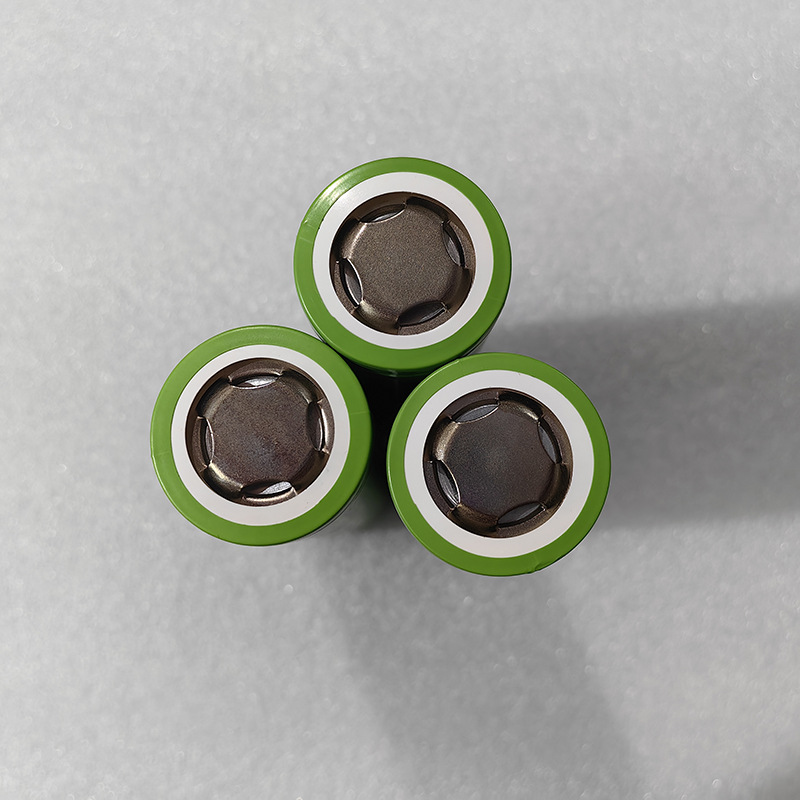
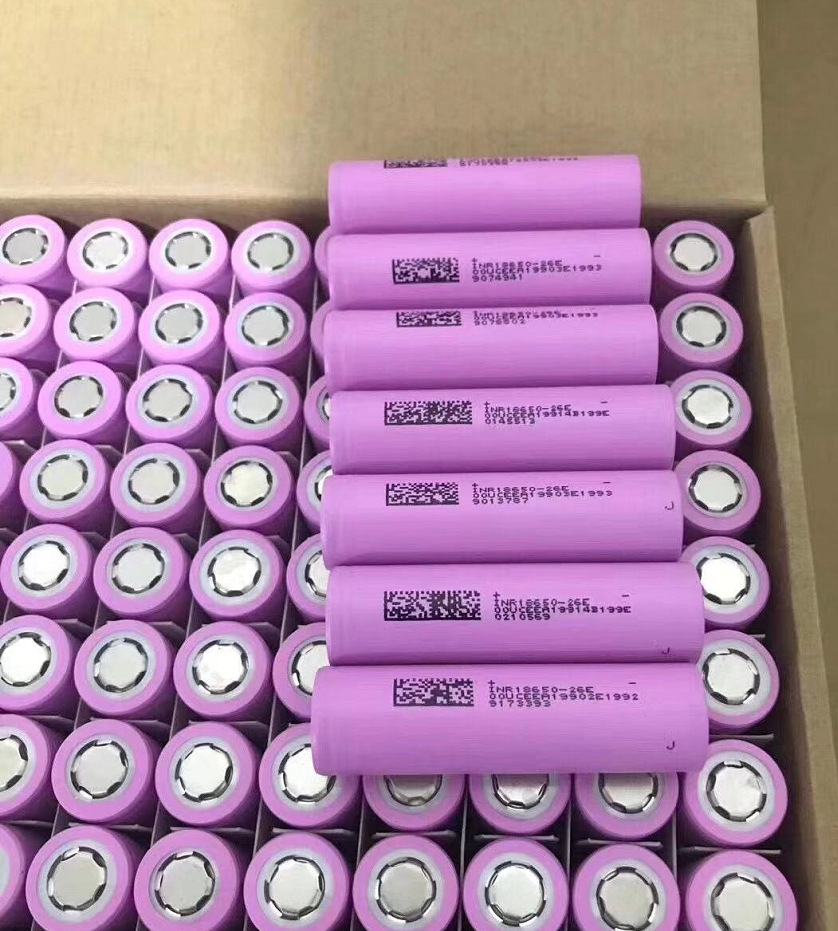
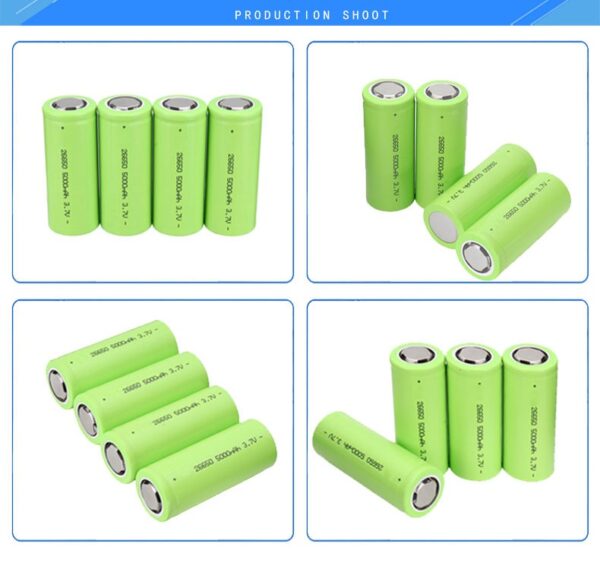
In today’s rapidly evolving electrification landscape, custom discharge rate cylindrical batteries have become critical components for applications demanding precise power delivery. From high-drain power tools to sustained-energy storage systems, the ability to tailor discharge characteristics defines performance boundaries. CNS BATTERY specializes in engineering cylindrical cells with customizable discharge profiles, enabling engineers and procurement specialists to optimize power systems for specific operational requirements.
What Defines Discharge Rate in Cylindrical Lithium Batteries?
The discharge rate, commonly expressed as C-rate, represents the current at which a battery releases its stored energy relative to its capacity. A 1C rate means a battery discharges its full capacity in one hour, while 5C indicates complete discharge in 12 minutes. For cylindrical formats including 18650, 21700, and 4680 cells, discharge rate customization directly impacts:
- Thermal management requirements
- Voltage stability under load
- Cycle life expectancy
- Application-specific power density
Standard cylindrical cells typically offer continuous discharge rates between 1C-3C. However, specialized applications such as electric vehicles, drones, and industrial equipment often require high-rate discharge capabilities ranging from 5C to 15C or customized low-rate profiles for extended runtime scenarios.
Technical Considerations for Custom Discharge Rate Design
1. Cell Chemistry Selection
The foundation of discharge rate customization begins with cathode chemistry. NCM (Nickel-Cobalt-Manganese) formulations provide balanced energy density and moderate discharge rates suitable for consumer electronics and light EVs. LFP (LiFePO4) chemistry offers superior thermal stability and cycle life, ideal for applications prioritizing safety over peak power. For ultra-high discharge requirements, specialized NCA (Nickel-Cobalt-Aluminum) or high-power NCM variants deliver enhanced current capability.
2. Internal Resistance Optimization
Lower internal resistance enables higher discharge rates while minimizing heat generation. Custom cylindrical cells achieve this through:
- Enhanced electrode coating uniformity
- Optimized electrolyte formulations
- Advanced tab welding configurations
- Precision mandrel winding techniques
Engineering teams must balance resistance reduction against manufacturing complexity and cost implications.
3. Thermal Management Integration
High discharge rates generate significant heat. Custom solutions incorporate thermal considerations at the cell design stage, including heat dissipation pathways, separator thermal shutdown characteristics, and compatible BMS communication protocols. Proper thermal design prevents capacity degradation and safety incidents during sustained high-current operation.
Application-Specific Discharge Rate Customization
Different industries require distinct discharge profiles. Understanding these requirements enables optimal cell selection:
| Application Sector | Typical C-Rate Range | Key Considerations |
|---|---|---|
| Power Tools | 5C-15C continuous | Peak current bursts, thermal cycling |
| E-Mobility (E-bikes/Scooters) | 3C-8C continuous | Weight constraints, cycle life |
| Energy Storage Systems | 0.5C-2C continuous | Long-duration discharge, calendar life |
| Consumer Electronics | 1C-3C continuous | Compact form factor, safety margins |
| Industrial Equipment | 2C-10C continuous | Reliability, temperature tolerance |
CNS BATTERY’s engineering team collaborates directly with clients to define precise discharge specifications matching operational profiles. This collaborative approach ensures cells perform reliably throughout their intended service life.
Quality Assurance and Manufacturing Capabilities
Custom discharge rate cylindrical batteries require rigorous validation. Comprehensive testing protocols include:
- Capacity verification at multiple C-rates
- Thermal imaging during high-rate discharge
- Cycle life testing under application-specific conditions
- Safety compliance (UN38.3, IEC62133, UL certifications)
Manufacturing consistency remains paramount. Advanced production lines maintain tight tolerances on electrode thickness, electrolyte filling volume, and formation cycling parameters. This precision ensures every cell meets specified discharge characteristics without performance variation across production batches.
For detailed product specifications and technical documentation, visit our cylindrical battery cell portfolio.
Partnering with Established Battery Manufacturers
Selecting the right manufacturing partner significantly impacts project success. Established Chinese battery manufacturers combine cost-effective production with engineering expertise and scalable capacity. Key evaluation criteria include:
- R&D investment and technical support availability
- Production capacity and lead time reliability
- Quality management system certifications
- Export compliance and logistics capabilities
CNS BATTERY maintains comprehensive manufacturing facilities with dedicated engineering teams supporting custom discharge rate development from prototype through mass production. Our commitment to transparency and technical collaboration distinguishes our partnership approach.
Explore our manufacturing capabilities and facility credentials at battery manufacturers in China.
Conclusion: Engineering Power Solutions for Tomorrow
Custom discharge rate cylindrical batteries represent the intersection of electrochemical science and application engineering. By understanding discharge rate fundamentals, technical trade-offs, and manufacturing considerations, engineers and procurement specialists can specify cells that deliver optimal performance for their unique requirements.
CNS BATTERY stands ready to support your power system development with tailored cylindrical battery solutions. Our technical team provides comprehensive consultation from initial specification through production deployment.
Ready to discuss your custom discharge rate requirements? Contact our engineering team today at CNS BATTERY Contact for technical consultation and quotation support.
Technical specifications subject to application validation. All performance data based on standard test conditions at 25°C ambient temperature. Custom configurations require engineering review and prototype testing before production commitment.