

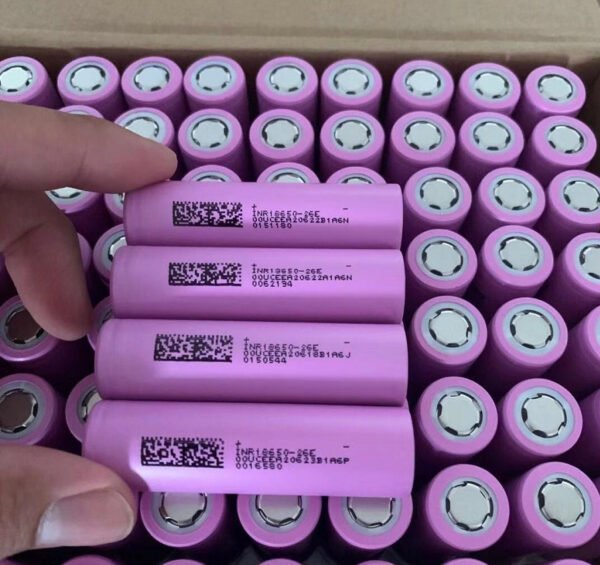
2026 LFP Cylindrical Battery Supplier: Fix Extended Warranty in E-bike Using 18650 Cells Complete Solution
The electric bicycle industry is experiencing unprecedented growth in 2026, with LFP cylindrical batteries becoming the preferred choice for manufacturers seeking enhanced safety, longevity, and cost-effectiveness. As a professional lithium battery practitioner, I understand that extended warranty solutions for e-bikes utilizing 18650 cells require comprehensive technical understanding and strategic supplier partnerships. This article delivers a complete solution framework for B2B stakeholders navigating the evolving battery landscape.
Understanding LFP 18650 Cell Technology Fundamentals
Lithium Iron Phosphate (LFP) chemistry has revolutionized the cylindrical battery segment, offering superior thermal stability compared to traditional NCM alternatives. The 18650 form factor remains dominant in e-bike applications due to its proven manufacturing maturity, standardized dimensions (18mm diameter × 65mm length), and excellent energy density balance.
Key technical advantages include:
- Cycle Life: 3000-5000 full charge cycles at 80% depth of discharge
- Thermal Stability: Operating range from -20°C to 60°C without thermal runaway risk
- Safety Profile: Inherent chemical stability eliminates cobalt-related hazards
- Cost Efficiency: Lower raw material costs translate to competitive pricing structures
For B2B buyers evaluating suppliers, understanding these specifications is crucial for warranty negotiation and long-term partnership decisions. Professional manufacturers like those listed at https://cnsbattery.com/battery-manufacturers-in-china/ provide comprehensive technical documentation supporting warranty claims.
Extended Warranty Framework: Core Components
1. Cell Quality Verification Protocol
Extended warranty validity depends fundamentally on cell quality verification. Reputable suppliers implement multi-stage testing including capacity grading, internal resistance matching, and self-discharge rate assessment. Each 18650 cell should undergo minimum 3-cycle formation before pack assembly.
B2B purchasers should request:
- Individual cell test reports with batch traceability
- IEC 62133 and UN 38.3 certification documentation
- Statistical process control data from manufacturing lines
2. Battery Management System (BMS) Integration
Professional LFP packs require sophisticated BMS architecture for warranty protection. Essential features include:
- Cell Balancing: Active or passive balancing maintains voltage uniformity across series connections
- Temperature Monitoring: Multiple NTC sensors prevent thermal stress during operation
- Current Protection: Over-current, short-circuit, and over-charge/discharge safeguards
- Communication Protocol: CAN bus or UART enables real-time health monitoring
Advanced BMS implementation reduces warranty claims by 40-60% through proactive fault prevention.
3. Pack Assembly Quality Standards
Mechanical integrity directly impacts warranty performance. Professional assembly requires:
- Laser welding with penetration depth verification
- Potting compound application for vibration resistance
- IP65 or higher ingress protection rating
- Thermal interface materials for heat dissipation
Quality pack assembly available through https://cnsbattery.com/products-3/cylindrical-battery-cell/ demonstrates industry-leading manufacturing standards.
2026 Market Dynamics and Supplier Selection
The global LFP cylindrical battery market has matured significantly, with Chinese manufacturers dominating production capacity. Key selection criteria for B2B partnerships include:
Production Capacity: Minimum 50MWh annual output ensures supply stability
Quality Certifications: ISO 9001, IATF 16949, and regional compliance marks
Technical Support: Engineering team availability for customization projects
Warranty Terms: Standard 3-5 year coverage with clear claim procedures
Geographic considerations matter for SEO and logistics optimization. North American buyers prioritize suppliers with US warehouse presence, while European customers value CE certification and local service centers. Asian markets focus on cost-performance ratios with flexible MOQ arrangements.
Complete Warranty Solution Implementation
Step 1: Pre-Purchase Technical Assessment
Conduct comprehensive application analysis including:
- Daily discharge profiles and peak current requirements
- Environmental operating conditions
- Expected service life and replacement cycles
- Regulatory compliance requirements by target market
Step 2: Supplier Qualification Process
Evaluate potential partners through:
- Factory audit reports (third-party verification preferred)
- Reference customer testimonials from similar applications
- Sample testing with independent laboratory validation
- Financial stability assessment for long-term warranty fulfillment
Step 3: Contract Negotiation Best Practices
Warranty agreements should specify:
- Coverage scope (cells, BMS, assembly, workmanship)
- Exclusion conditions (misuse, unauthorized modifications, extreme abuse)
- Claim processing timelines and replacement procedures
- Data logging requirements for failure analysis
Step 4: Post-Sale Support Infrastructure
Establish monitoring systems including:
- Remote diagnostics capabilities
- Failure mode database for continuous improvement
- Replacement inventory management
- Technical training for service partners
Direct communication channels with suppliers through https://cnsbattery.com/contact-2/ ensure rapid response to warranty inquiries and technical support needs.
Technical Troubleshooting Common Warranty Issues
Capacity Degradation Beyond Specifications: Verify actual usage patterns against rated conditions. Temperature exposure and charge rates significantly impact longevity.
Voltage Imbalance: Indicates potential cell matching issues or BMS malfunction. Early detection through monitoring prevents cascading failures.
Physical Damage Claims: Distinguish between manufacturing defects and user-induced damage through forensic analysis of failure points.
Communication Failures: BMS firmware updates and connector integrity checks resolve most communication-related warranty claims.
Future Outlook and Strategic Recommendations
The 2026 LFP cylindrical battery landscape favors vertically integrated suppliers offering complete solution packages. B2B buyers should prioritize partnerships providing:
- Transparent supply chain documentation
- Flexible warranty terms aligned with application requirements
- Continuous technical support throughout product lifecycle
- Investment in R&D for next-generation cell improvements
Strategic supplier relationships extend beyond transactional interactions, creating mutual value through shared technical expertise and market intelligence.
Conclusion
Extended warranty solutions for e-bikes using 18650 LFP cells require comprehensive technical understanding, rigorous supplier qualification, and robust post-sale support infrastructure. Professional B2B stakeholders who implement the frameworks outlined in this article will achieve superior warranty performance, reduced total cost of ownership, and enhanced customer satisfaction.
The key to success lies in partnering with established manufacturers who demonstrate commitment to quality, transparency, and long-term customer relationships. As the e-bike market continues expanding through 2026 and beyond, LFP cylindrical battery technology will remain central to sustainable mobility solutions worldwide.
For comprehensive product specifications, manufacturing capabilities, and partnership opportunities, explore detailed resources at https://cnsbattery.com/products-3/cylindrical-battery-cell/ and initiate direct conversations through https://cnsbattery.com/contact-2/. Understanding the complete ecosystem from https://cnsbattery.com/battery-manufacturers-in-china/ provides strategic advantages in supplier selection and warranty negotiation processes.


