

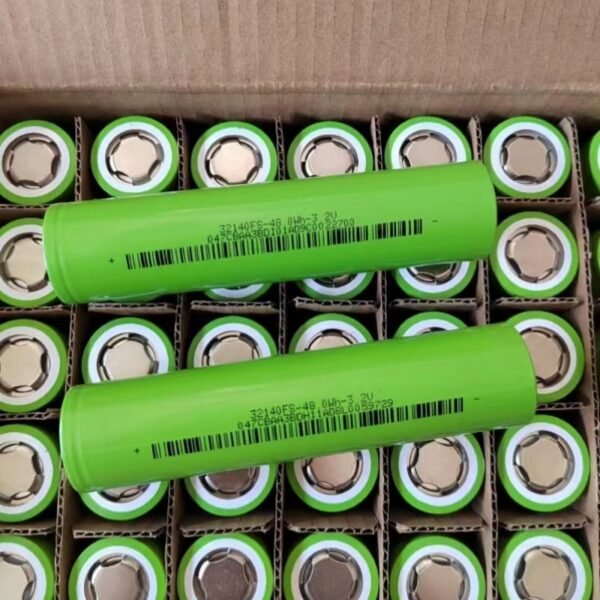
Low Temperature Performance 18650 LFP Cells for Electric Motorcycle – OEM Custom Solutions
The electric motorcycle industry continues to expand rapidly across global markets, with manufacturers increasingly demanding battery solutions that deliver reliable performance in diverse environmental conditions. Among the most critical challenges facing engineers and procurement specialists is ensuring consistent power output in low-temperature scenarios. This article examines the technical advantages of 18650 LFP (Lithium Iron Phosphate) cells specifically engineered for cold-weather electric motorcycle applications, along with OEM customization pathways for scalable deployment.
Understanding Low-Temperature Challenges in LFP Chemistry
Lithium Iron Phosphate chemistry offers inherent safety advantages and extended cycle life compared to traditional NCM or NCA alternatives. However, standard LFP cells experience significant capacity reduction when operating below 0°C. At -20°C, conventional cells may retain only 50-60% of their room-temperature capacity, primarily due to increased internal resistance and slowed lithium-ion diffusion rates within the electrolyte.
Advanced 18650 LFP cells address these limitations through specialized electrolyte formulations with lower freezing points, optimized electrode coatings, and enhanced separator materials. These modifications enable operational ranges extending to -30°C while maintaining 75-85% capacity retention—a critical threshold for electric motorcycle applications in northern climates.
Technical Specifications for Cold-Weather Performance
When evaluating 18650 LFP cells for electric motorcycle integration, several key parameters require careful assessment:
Discharge Rate at Low Temperatures: Premium cold-weather cells sustain 1C continuous discharge rates at -20°C without significant voltage sag. This ensures consistent motor performance during acceleration and hill-climbing scenarios.
Charge Acceptance: Low-temperature charging presents greater risks than discharging. Quality cells incorporate heating management protocols that prevent lithium plating during sub-zero charging cycles, typically requiring pre-heating to 5°C before accepting full charge currents.
Cycle Life Retention: Expect 2000+ cycles at 80% depth of discharge under moderate conditions, with approximately 1500+ cycles maintained even in cold-climate operation profiles. This translates to 5-7 years of service life for typical motorcycle usage patterns.
OEM Customization Pathways
Manufacturers seeking differentiated products benefit from partnering with established battery manufacturers in China who offer comprehensive OEM customization services. Customization options include:
Cell-Level Modifications: Capacity adjustments ranging from 1500mAh to 2000mAh per 18650 cell, customized tab configurations, and specialized coating treatments for enhanced cold-weather performance.
Pack Integration Support: Beyond individual cells, OEM partners provide complete pack design assistance including BMS programming optimized for low-temperature operation, thermal management system integration, and structural housing designed for motorcycle vibration profiles.
Certification Compliance: Reputable manufacturers ensure cells meet international standards including UN38.3, IEC62133, UL1642, and CE certification—essential for global market access and insurance requirements.
Procurement Considerations for Technical Buyers
Technical procurement specialists should prioritize manufacturers demonstrating transparent testing data, consistent quality control processes, and scalable production capacity. Request detailed specification sheets including temperature-dependent performance curves, cycle life testing results under various conditions, and batch-to-batch consistency documentation.
For comprehensive product specifications and technical documentation, visit our cylindrical battery cell catalog. Working with verified battery manufacturers in China ensures access to competitive pricing without compromising quality standards essential for electric vehicle applications.
Implementation Best Practices
Successful deployment requires system-level integration considerations beyond cell selection alone. Implement active or passive thermal management systems depending on target market climates. Design BMS algorithms that adjust power limits based on real-time temperature readings, protecting cells during extreme conditions while maximizing available performance.
Establish clear communication channels with your manufacturing partner throughout development cycles. For direct technical consultation and customization inquiries, reach out through our contact page to discuss specific application requirements and volume pricing structures.
Conclusion
The electric motorcycle sector demands battery solutions balancing safety, longevity, and all-weather performance. Advanced 18650 LFP cells engineered for low-temperature operation represent a compelling choice for manufacturers targeting global markets with diverse climate conditions. Through strategic OEM partnerships and careful technical validation, companies can deploy reliable power systems that maintain performance from Scandinavian winters to tropical summers—ultimately driving customer satisfaction and brand reputation in the competitive electric mobility landscape.

