

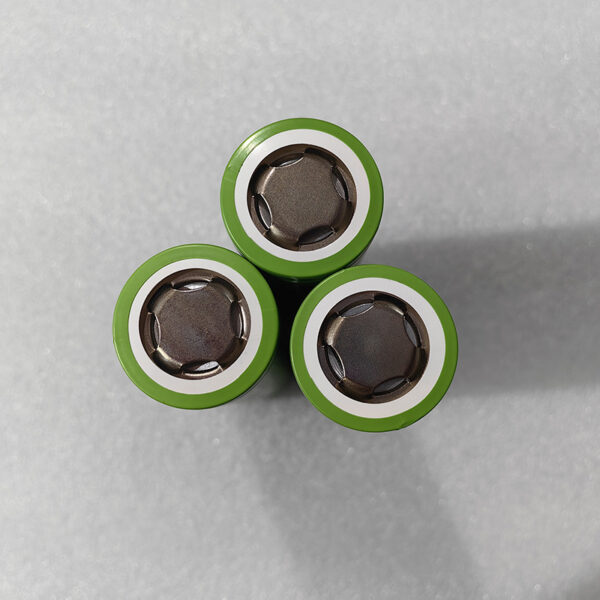
Low Heat Generation Cylindrical Battery | CNS BATTERY
In the evolving landscape of energy storage and power delivery, thermal management remains one of the most critical challenges for B2B procurement teams and engineering departments. As applications range from high-drain power tools to electric vehicle (EV) battery packs, the demand for low heat generation cylindrical batteries has surged. Excessive heat not only degrades performance but also poses significant safety risks. At CNS BATTERY, we understand that minimizing thermal output is not just about safety—it is about efficiency, longevity, and total cost of ownership.
The Technical Imperative: Why Heat Generation Matters
For industrial buyers, understanding the root causes of heat generation is essential for selecting the right cells. In cylindrical lithium-ion batteries, heat is primarily generated through internal resistance (IR) during charge and discharge cycles. This phenomenon, known as Joule heating, is proportional to the square of the current multiplied by the resistance (P = I²R). Therefore, even a marginal reduction in internal resistance can lead to a substantial decrease in operating temperature.
Advanced cylindrical cells designed for low heat generation utilize several key technologies:
- Optimized Electrode Design: By enhancing the conductivity of the cathode and anode materials, electron transfer is streamlined, reducing energy loss as heat.
- Electrolyte Formulation: Modern electrolytes are engineered to maintain stability at higher voltages and temperatures, reducing side reactions that contribute to thermal runaway risks.
- Structural Integrity: The cylindrical form factor itself offers mechanical strength, but low-heat variants often feature improved tab welding and casing materials to facilitate better heat dissipation.
For B2B partners integrating these cells into battery packs, lower heat generation simplifies the Battery Management System (BMS) requirements. Less active cooling is needed, which reduces the overall weight and complexity of the final product. This is particularly vital for applications like cordless power tools, where weight impacts usability, or energy storage systems (ESS), where cooling costs affect operational expenditure.
Compliance and Safety Standards
When sourcing cylindrical battery cells from international suppliers, compliance is non-negotiable. Overseas buyers must ensure that the cells meet rigorous safety and transportation standards. Low heat generation cells are inherently safer, but they must still be certified for global markets.
Key certifications to look for include:
- UN38.3: Mandatory for the transportation of lithium batteries.
- IEC 62133: Ensures safety requirements for portable sealed secondary cells.
- CE & UL: Critical for market access in Europe and North America.
CNS BATTERY prioritizes these compliance frameworks. Our manufacturing processes are audited to ensure consistency, reducing the risk of batch failures that can delay product launches. For detailed information on our manufacturing capabilities and quality assurance protocols, you can visit our page on battery manufacturers in China. Partnering with a manufacturer that transparently adheres to these standards mitigates supply chain risk and ensures smoother customs clearance.
Practical Procurement Points for B2B Buyers
Selecting the right cylindrical battery involves more than just checking capacity and voltage. For projects requiring low heat generation, procurement teams should focus on the following practical aspects:
1. Discharge Rate Compatibility
Ensure the cell’s continuous discharge rating matches your application’s peak load. Overloading a cell is the fastest way to generate excess heat. Our cylindrical battery cell range is engineered to handle high-drain scenarios while maintaining thermal stability.
2. Cycle Life vs. Thermal Performance
There is often a trade-off between energy density and thermal performance. High-density cells may generate more heat under load. For applications where longevity is paramount, such as industrial backup power, selecting a cell optimized for low heat can extend cycle life significantly by reducing thermal stress on the electrode materials.
3. Integration and Compatibility
Verify the physical dimensions and terminal types. Standard cylindrical sizes like 18650, 21700, and 26650 have different thermal masses. Larger formats like the 21700 often offer better heat dissipation due to a higher volume-to-surface-area ratio. Our engineering team supports clients in selecting the form factor that best balances energy density with thermal management needs.
Case Application: High-Performance Power Tools
Consider a manufacturer of professional cordless drills. In previous generations, users reported battery packs becoming too hot to touch after 15 minutes of continuous use, leading to power throttling. By switching to low heat generation cylindrical cells, the manufacturer reduced the operating temperature by approximately 10°C under the same load. This improvement allowed for sustained high-power output without triggering thermal protection cutoffs, directly enhancing user productivity and satisfaction.
This case underscores that low heat generation is not merely a technical specification—it is a competitive advantage. It enables product differentiation through reliability and performance consistency.
Partnering for Long-Term Success
In the global supply chain, reliability is as important as product specifications. CNS BATTERY is committed to providing not just cells, but comprehensive solutions. We offer technical support for pack integration, helping B2B clients optimize their BMS settings to further minimize heat generation during operation.
For businesses looking to scale their production or develop new energy products, having a responsive partner is crucial. Whether you need samples for testing or large-scale production runs, our team is ready to assist. We encourage potential partners to review our product specifications and reach out for a consultation.
To discuss your specific requirements or request a quote, please visit our contact page. Our team is equipped to handle inquiries from procurement managers, engineers, and business owners worldwide, ensuring that your project moves forward without delay.
Conclusion
The shift towards low heat generation cylindrical batteries is a strategic move for any B2B company involved in electronics, mobility, or energy storage. By reducing thermal stress, companies can improve safety, extend product life, and reduce system costs. CNS BATTERY stands ready to support this transition with high-quality, compliant, and technically advanced battery solutions. As the industry moves into 2026 and beyond, thermal efficiency will remain a key differentiator. Choose a partner that understands the science of heat and the demands of the global market.
For more details on our manufacturing standards and product lines, explore our resources on battery manufacturers in China and our specific cylindrical battery cell offerings. Let’s build a cooler, more efficient future together.


