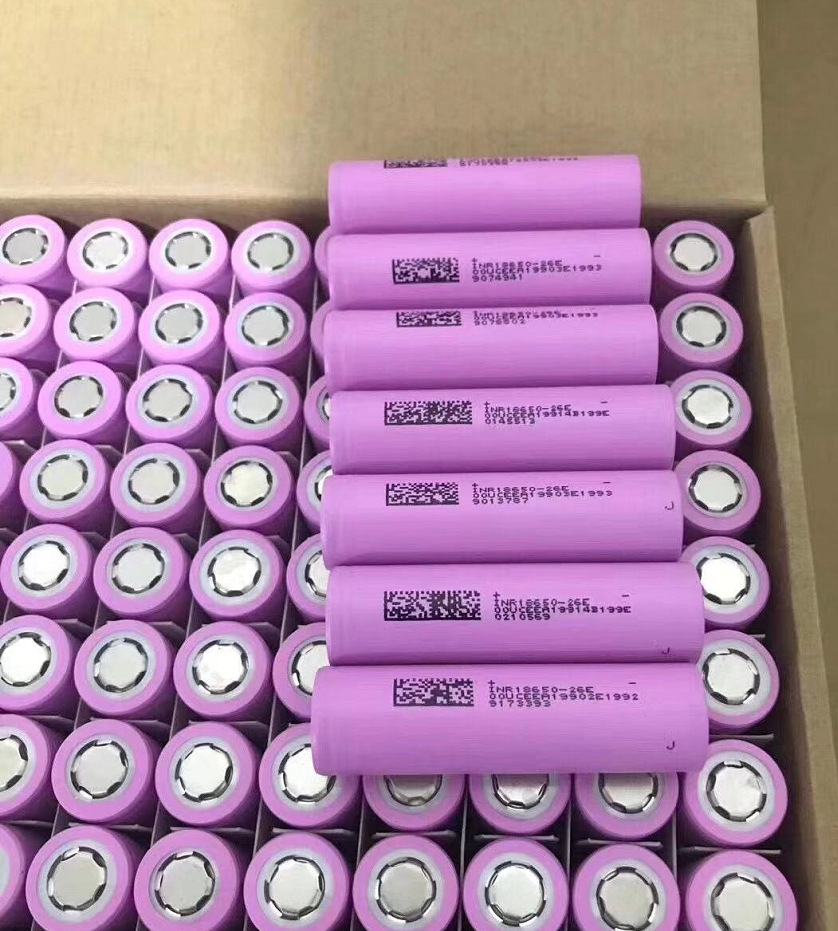
E-bike OEM Pain Points Solved by 18650 LFP Cylindrical Batteries
The electric bicycle industry faces mounting pressure to deliver safer, more reliable, and cost-effective battery solutions. For OEM manufacturers, selecting the right battery technology directly impacts product performance, customer satisfaction, and long-term profitability. Today, 18650 LFP (Lithium Iron Phosphate) cylindrical batteries emerge as the definitive solution to persistent OEM challenges, offering unparalleled safety, longevity, and manufacturing efficiency.
Critical Pain Points Facing E-bike OEMs
E-bike manufacturers confront several recurring challenges that compromise product quality and market competitiveness. Safety concerns remain paramount, with thermal runaway incidents damaging brand reputation and triggering costly recalls. Cycle life limitations force premature battery replacements, increasing warranty claims and customer dissatisfaction. Supply chain inconsistency creates production delays and quality variations across batches. Additionally, cost pressures intensify as consumers demand premium performance at competitive prices.
Temperature management presents another significant hurdle. Traditional NCM batteries degrade rapidly in extreme conditions, limiting geographic market expansion. Charging infrastructure compatibility issues further complicate user experience, while regulatory compliance requirements continue to evolve across different regions.
How 18650 LFP Cylindrical Batteries Deliver Solutions
Enhanced Safety Profile
LFP chemistry inherently resists thermal runaway, operating safely across wider temperature ranges compared to conventional lithium-ion alternatives. The stable crystal structure of lithium iron phosphate minimizes oxygen release during abuse conditions, dramatically reducing fire risk. This safety advantage translates directly to reduced liability exposure and enhanced brand trust for OEM partners.
Extended Cycle Life
18650 LFP cells consistently deliver 2000-5000 charge cycles while maintaining 80% capacity retention. This longevity significantly outperforms NCM counterparts, reducing total cost of ownership for end users and minimizing warranty obligations for manufacturers. The extended service life supports premium positioning and strengthens customer loyalty.
Manufacturing Efficiency
The standardized 18650 cylindrical format enables automated assembly processes, reducing production costs and improving consistency. Established manufacturing infrastructure means shorter lead times and reliable supply chains. OEMs benefit from mature production ecosystems with multiple qualified suppliers, mitigating single-source dependency risks.
Thermal Performance
LFP chemistry maintains stable performance across -20°C to 60°C operating ranges. This thermal resilience expands market accessibility to regions with extreme climates without requiring expensive thermal management systems. Consistent performance across temperature variations ensures predictable range and power delivery.
Technical Advantages for B2B Partners
From a technical integration perspective, 18650 LFP cells offer modular flexibility. The cylindrical format facilitates customizable pack configurations, accommodating diverse e-bike frame designs and capacity requirements. Voltage characteristics align with standard e-bike motor systems, simplifying BMS design and reducing development timelines.
Quality consistency represents another critical advantage. Reputable manufacturers implement rigorous cell matching protocols, ensuring uniform performance across production batches. This consistency reduces pack-level failures and simplifies quality control processes for OEM assembly lines.
For manufacturers seeking reliable supply partners, understanding the landscape of battery manufacturers in China provides valuable market intelligence. Established suppliers offer comprehensive support from cell selection through pack integration, accelerating time-to-market for new e-bike models.
Cost-Benefit Analysis
While initial cell costs may exceed some alternatives, total lifecycle economics favor LFP solutions. Reduced warranty claims, lower replacement rates, and enhanced brand reputation generate measurable ROI. Manufacturing efficiencies further improve margins, while safety advantages minimize insurance and liability expenses.
The standardized 18650 format ensures long-term supply security. Multiple production sources maintain competitive pricing while preventing supply disruptions. This supply chain resilience proves invaluable during market fluctuations and raw material volatility.
Implementation Considerations
Successful integration requires careful attention to BMS compatibility, thermal design, and mechanical integration. Partner selection critically impacts project success. Experienced manufacturers provide technical support throughout development phases, from initial specification through mass production validation.
For detailed product specifications and technical documentation, explore available cylindrical battery cell options designed specifically for e-mobility applications. Comprehensive testing data and certification support streamline compliance processes across target markets.
Conclusion
18650 LFP cylindrical batteries represent a strategic solution addressing core OEM pain points in the e-bike sector. Safety, longevity, manufacturing efficiency, and cost-effectiveness converge to deliver competitive advantage in an increasingly demanding market. Manufacturers who adopt this technology position themselves for sustainable growth and enhanced market positioning.
Partner selection remains critical to realizing these benefits. Engage with qualified suppliers who demonstrate technical expertise, production capacity, and commitment to long-term partnership success. For direct consultation on your specific requirements, reach out through our contact page to discuss customized solutions aligned with your production goals and market objectives.
The transition to 18650 LFP technology isn’t merely a component change—it’s a strategic decision that impacts product quality, brand reputation, and long-term profitability. OEMs who recognize this opportunity today will lead the market tomorrow.