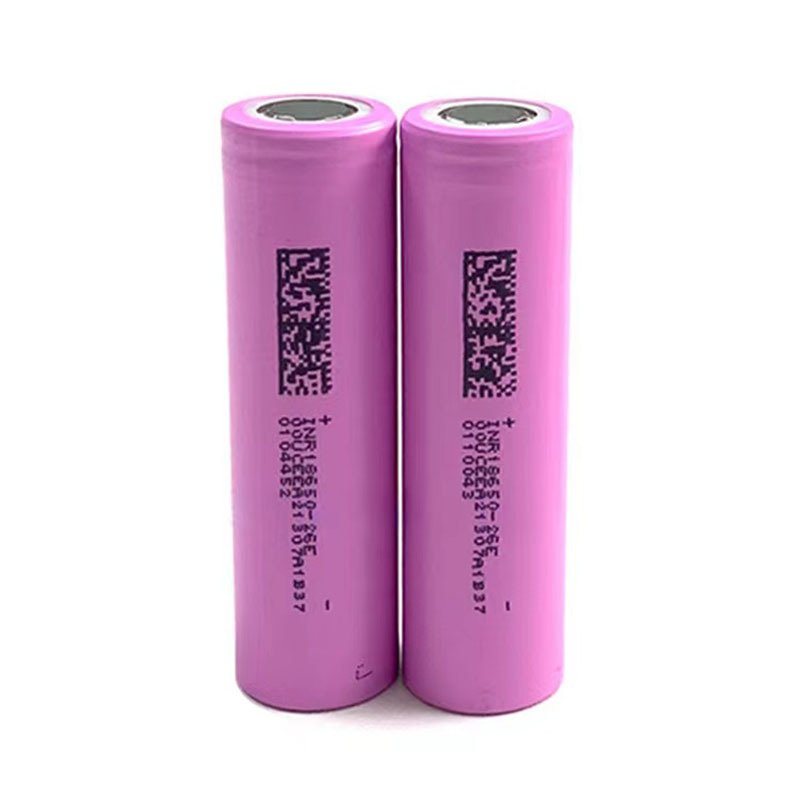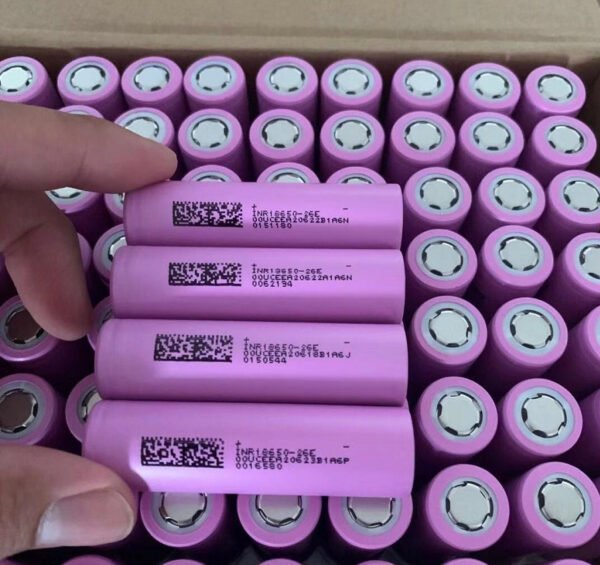
18650 LFP Cylindrical Battery for EV – Low MOQ China Factory Direct Supplier
Introduction
The electric vehicle (EV) industry continues to experience unprecedented growth, with battery technology serving as the cornerstone of this transformation. Among various battery configurations, the 18650 LFP (Lithium Iron Phosphate) cylindrical cell has emerged as a compelling solution for cost-sensitive EV applications. This article provides a comprehensive technical analysis for engineers, procurement specialists, and technical decision-makers seeking reliable battery suppliers from China with low minimum order quantity (MOQ) flexibility.
Technical Specifications and Performance Characteristics
Voltage Profile and Chemistry Fundamentals
The 18650 LFP cylindrical battery operates at a nominal voltage of 3.2V, with a charging cutoff voltage of 3.65V. This differs significantly from NMC (Nickel Manganese Cobalt) counterparts, which typically operate at 3.7V nominal with 4.2V charging cutoff. The lower voltage plateau of LFP chemistry contributes to enhanced thermal stability and reduced risk of thermal runaway—a critical consideration for EV battery pack design.
The olivine crystal structure of LiFePO₄ provides exceptional structural stability during lithium ion intercalation and deintercalation. This fundamental characteristic enables LFP cells to achieve 2,000-5,000 full cycle life at 80% depth of discharge, substantially exceeding conventional lithium-ion alternatives.
Energy Density and Cost Considerations
While LFP chemistry presents lower gravimetric energy density (approximately 90-120 Wh/kg) compared to NMC systems (150-220 Wh/kg), the 35% cost reduction makes it increasingly attractive for entry-level EVs, commercial vehicles, and energy storage applications. Recent market analysis indicates LFP adoption in cost-sensitive segments has accelerated, particularly in markets where total cost of ownership outweighs range optimization priorities.
Safety and Thermal Management
LFP batteries demonstrate superior safety characteristics due to stronger phosphorus-oxygen bonds that resist oxygen release at elevated temperatures. Thermal runaway typically initiates above 270°C for LFP, compared to approximately 150-200°C for NMC chemistries. This inherent safety margin reduces BMS (Battery Management System) complexity and cooling system requirements, contributing to overall pack cost reduction.
Manufacturing Quality and Supplier Selection Criteria
Cell Consistency and Matching
For EV applications requiring series-parallel configurations, cell-to-cell consistency becomes paramount. Quality manufacturers implement rigorous grading protocols based on:
- Capacity tolerance (±50mAh typical)
- Internal resistance variation (<5mΩ deviation)
- Self-discharge rate uniformity
- Voltage plateau consistency
Certification and Compliance
Reputable Chinese battery manufacturers maintain international certifications including UN38.3, IEC62133, CE, and UL compliance. These certifications validate manufacturing process controls, quality management systems, and product safety standards essential for global market access.
Low MOQ Flexibility
Traditional battery suppliers often impose high MOQ requirements (10,000+ cells), creating barriers for prototype development, pilot programs, and niche vehicle manufacturers. Factory-direct suppliers offering low MOQ arrangements enable faster iteration cycles and reduced inventory risk during product development phases.
Application-Specific Considerations for EV Integration
Battery Pack Architecture
18650 cylindrical cells facilitate modular pack designs with standardized mechanical interfaces. The cylindrical form factor provides inherent mechanical strength and enables efficient thermal management through air or liquid cooling channels between cells. Pack designers must account for:
- Cell spacing for thermal dissipation
- Busbar configuration for current distribution
- Mechanical restraint systems for vibration resistance
- BMS integration for cell monitoring and balancing
Operating Temperature Range
LFP cells maintain acceptable performance across -20°C to 60°C operating ranges, though capacity retention decreases at extreme temperatures. Pre-heating systems may be necessary for cold climate applications to maintain charging efficiency and prevent lithium plating during low-temperature charging cycles.
Cycle Life Optimization
Maximizing LFP battery lifespan requires careful attention to:
- Charging C-rate limitations (typically 0.5C-1C recommended)
- State of Charge (SOC) window management (20%-80% optimal)
- Temperature monitoring and thermal regulation
- Balance charging protocols for multi-cell configurations
Conclusion and Supplier Partnership
Selecting the right 18650 LFP cylindrical battery supplier requires comprehensive evaluation of technical capabilities, quality systems, and commercial flexibility. China-based manufacturers have developed sophisticated production capabilities while maintaining competitive pricing structures suitable for diverse EV market segments.
For engineering teams evaluating battery solutions, we recommend direct engagement with qualified manufacturers to discuss specific application requirements, testing protocols, and supply chain arrangements. Our partner facilities offer comprehensive technical support from cell selection through pack integration, ensuring optimal performance for your EV applications.
Explore our cylindrical battery cell portfolio: https://cnsbattery.com/products-3/cylindrical-battery-cell/
Connect with our technical team for customized solutions: https://cnsbattery.com/contact-2/
Learn more about certified battery manufacturers in China: https://cnsbattery.com/battery-manufacturers-in-china/
Technical specifications subject to verification based on specific cell models and manufacturing batches. Always request current datasheets and sample testing before finalizing procurement decisions.