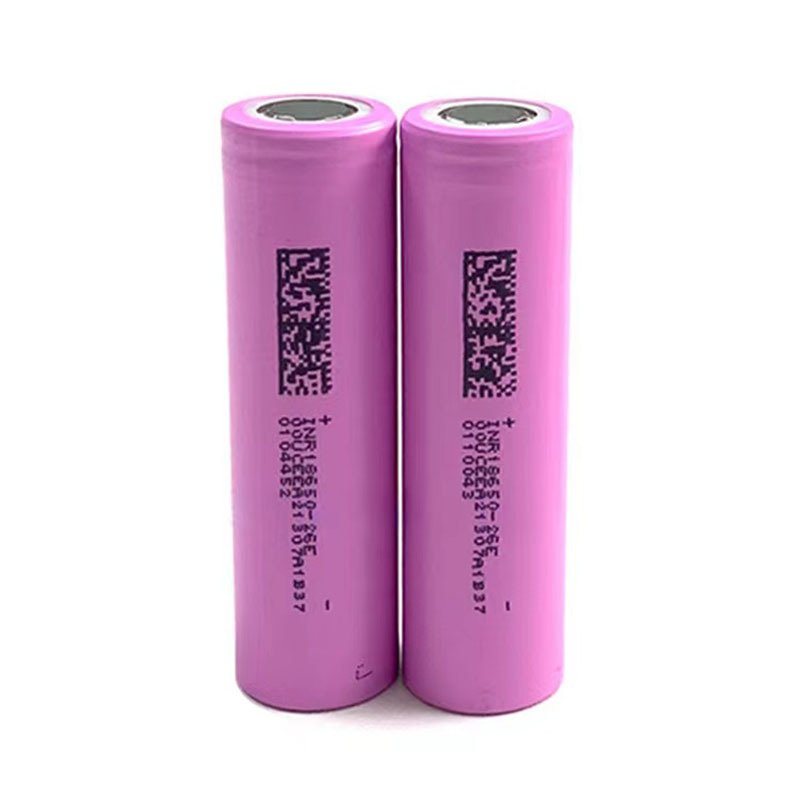
Zero Swelling Issues 38121 Li-ion Cells for Battery Pack Assembly – OEM Custom Solutions
In the rapidly evolving landscape of energy storage technology, battery pack manufacturers face critical challenges in ensuring long-term reliability and safety. Among these challenges, cell swelling remains one of the most concerning failure modes that can compromise entire battery systems. This article examines how 38121 Li-ion cells engineered with zero swelling characteristics are transforming battery pack assembly processes, while exploring OEM custom solutions that meet stringent industry requirements.
Understanding the 38121 Cylindrical Cell Architecture
The 38121 cylindrical lithium-ion cell represents a significant advancement in battery technology, featuring a diameter of 38mm and length of 121mm. This form factor offers an optimal balance between energy density and thermal management capabilities. Unlike smaller cylindrical cells such as 18650 or 21700, the 38121 design provides enhanced structural integrity and reduced internal resistance, making it particularly suitable for high-capacity battery pack applications in energy storage systems, electric vehicles, and industrial equipment.
These cells typically utilize LiFePO4 (LFP) chemistry, which inherently offers superior thermal stability and extended cycle life compared to traditional NCM or NCA chemistries. The robust cylindrical steel casing provides mechanical protection while maintaining consistent pressure on the electrode stack throughout the cell’s operational lifetime.
The Science Behind Battery Swelling and Its Prevention
Battery swelling occurs when gas generation within the cell exceeds the containment capacity of the housing. This phenomenon typically results from several mechanisms:
Electrolyte Decomposition: At elevated temperatures or overcharge conditions, the liquid electrolyte can decompose, producing gases such as CO2, CO, and hydrocarbons. Advanced 38121 cells incorporate electrolyte additives that stabilize the solid electrolyte interphase (SEI) layer, minimizing decomposition reactions.
Electrode Expansion: During lithium intercalation and deintercalation cycles, electrode materials experience volumetric changes. Premium manufacturers implement controlled porosity electrodes and optimized coating densities to accommodate these expansion forces without generating internal pressure buildup.
Manufacturing Defects: Inadequate drying processes, contamination, or improper sealing can introduce moisture or impurities that trigger gas-generating side reactions. Rigorous quality control protocols throughout the manufacturing process are essential for preventing these issues.
Zero swelling 38121 cells address these challenges through multiple engineering approaches, including enhanced venting mechanisms, pressure-resistant casing designs, and advanced battery management system (BMS) integration that prevents operation outside safe parameters.
OEM Custom Solutions for Battery Pack Integration
Working with experienced OEM partners provides battery pack manufacturers with tailored solutions that address specific application requirements. Custom engineering capabilities enable optimization of cell configuration, thermal management systems, and electrical architecture to maximize performance while minimizing swelling risks.
Professional OEM manufacturers offer comprehensive support from initial design consultation through production scaling. This includes cell matching and grading services that ensure consistent performance across all cells within a battery pack, reducing the likelihood of individual cell failures that could trigger cascading swelling issues. For detailed product specifications and cylindrical battery cell options, visit Cylindrical Battery Cell Products.
Critical Considerations for Battery Pack Assembly
Successful battery pack assembly with 38121 cells requires attention to several technical factors:
Thermal Management: Proper heat dissipation design prevents localized hot spots that can accelerate degradation and gas generation. Liquid cooling systems or advanced thermal interface materials should be integrated based on application power requirements.
Mechanical Constraints: While cylindrical cells offer inherent structural strength, battery pack housings must accommodate potential dimensional changes during operation without imposing excessive external pressure that could damage cell integrity.
Electrical Balancing: Active or passive cell balancing systems maintain uniform state-of-charge across all cells, preventing individual cells from experiencing overcharge or deep discharge conditions that contribute to swelling.
Quality Verification: Comprehensive testing protocols including impedance measurement, capacity verification, and cycle testing ensure only cells meeting stringent specifications enter production battery packs.
Partnering with Reliable Battery Manufacturers
Selecting the right manufacturing partner is crucial for achieving zero swelling performance in battery pack applications. Established manufacturers with proven track records in cylindrical cell production offer significant advantages in terms of consistency, technical support, and long-term supply reliability.
China has emerged as a global hub for lithium battery manufacturing, with numerous facilities achieving international quality certifications and compliance standards. When evaluating potential partners, consider their manufacturing capabilities, quality control systems, and technical support infrastructure. For more information about battery manufacturers in China and their capabilities, explore Battery Manufacturers in China.
Conclusion
The adoption of zero swelling 38121 Li-ion cells represents a significant advancement for battery pack manufacturers seeking reliable, long-lasting energy storage solutions. Through careful cell selection, proper assembly techniques, and partnership with experienced OEM providers, manufacturers can minimize swelling-related failures while maximizing battery pack performance and safety.
For engineers and technical procurement professionals evaluating battery cell options, prioritizing manufacturers with demonstrated expertise in swelling prevention technologies and comprehensive quality control systems will deliver superior long-term value. To discuss your specific battery pack requirements and explore custom OEM solutions, contact our technical team at Contact Us.
The future of energy storage depends on continued innovation in cell chemistry, manufacturing processes, and system integration. Zero swelling 38121 cells exemplify how targeted engineering solutions can address critical reliability challenges while enabling next-generation battery pack designs across diverse applications.