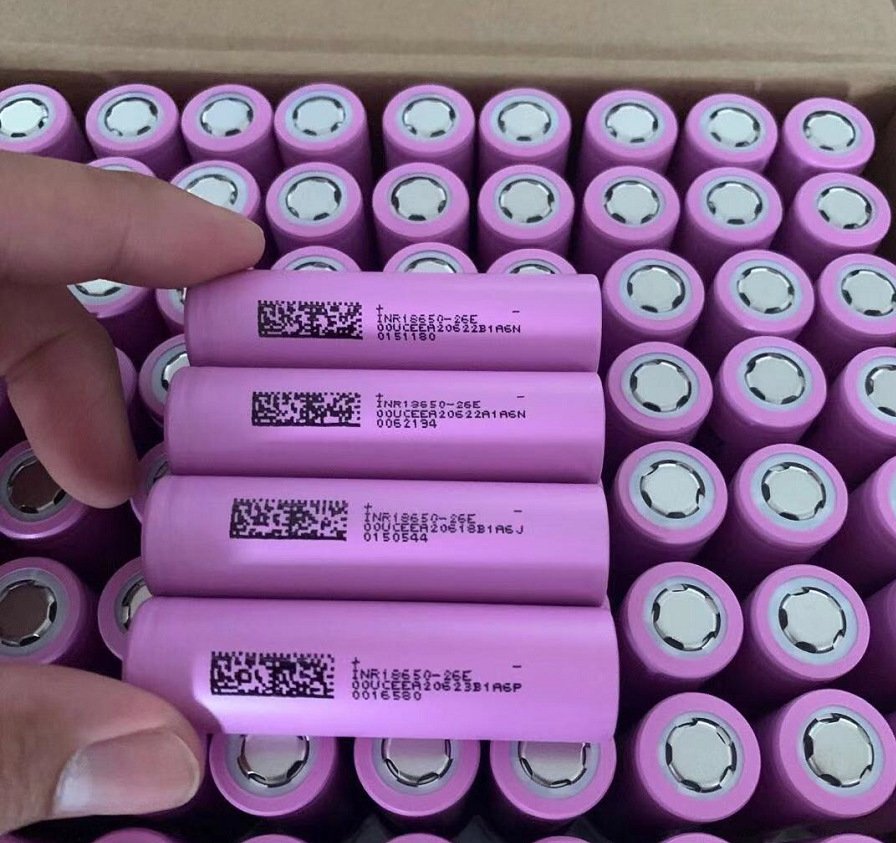
Optimizing Electric Cargo Trikes: The Strategic Role of 26650 Battery Cells
The global shift toward sustainable last-mile logistics has placed electric cargo trikes at the forefront of urban mobility solutions. For OEMs and fleet operators, the battery pack is not merely a power source; it is the critical determinant of range, payload capacity, and total cost of ownership. Among various form factors, the 26650 cylindrical lithium battery cell has emerged as a robust choice for balancing energy density, thermal stability, and structural integrity in heavy-duty three-wheeled applications.
Technical Advantages of the 26650 Form Factor
The 26650 cell, defined by its 26mm diameter and 65mm length, offers a significant volume advantage over the ubiquitous 18650 standard. This increased physical footprint allows for greater active material content, typically resulting in capacities ranging from 3000mAh to 6500mAh depending on the chemistry. For electric cargo trikes, which often require sustained power output to navigate varied terrains with heavy loads, the 26650 provides lower internal resistance and improved heat dissipation.
In high-drain scenarios, such as ascending inclines with a full cargo bed, thermal runaway is a primary concern. The cylindrical steel casing of the 26650 cell offers superior mechanical strength compared to pouch cells, while the spacing inherent in cylindrical pack designs facilitates better air cooling. When selecting cells, manufacturers must choose between Lithium Iron Phosphate (LiFePO4) and Nickel Cobalt Manganese (NCM) chemistries. LiFePO4 26650 cells are increasingly preferred for cargo applications due to their inherent safety and cycle life exceeding 2000 charges, despite a slightly lower energy density.
Application-Specific Performance Requirements
Electric cargo trikes operate under distinct stress profiles compared to passenger e-bikes. The battery management system (BMS) and cell selection must account for:
- High Torque Demand: Cargo trikes require high discharge currents during startup and hill climbing. Cells must support continuous discharge rates of at least 3C to 5C without significant voltage sag.
- Vibration Resistance: Operating on unpaved roads or cobblestone streets in emerging markets demands cells with robust internal welding and structural integrity to prevent connection failures.
- Long Cycle Life: Commercial vehicles operate daily, often multiple shifts. A cell with inferior cycle stability will lead to premature pack degradation, increasing operational costs.
For B2B buyers, verifying these parameters through datasheets and third-party testing is essential. Reliable manufacturers often provide cells specifically graded for power tools and light electric vehicles (LEV), which align closely with cargo trike requirements. You can explore specific cylindrical cell specifications suited for these demands at Cylindrical Battery Cell.
Compliance and Safety Standards for Export
Navigating the regulatory landscape is a critical hurdle for overseas importers. Battery cells intended for electric vehicles must comply with international safety standards to ensure smooth customs clearance and liability protection. Key certifications include UN38.3 for transportation safety, IEC 62133 for secondary lithium cells, and UL 1642 or UL 2580 for battery safety.
Compliance is not just about documentation; it reflects the manufacturing quality control system. Cells lacking proper certification pose significant risks, including shipment rejection and insurance voidance. When sourcing from China, verifying the manufacturer’s ability to provide traceable test reports is non-negotiable. Established manufacturers maintain rigorous QA processes to meet these global standards, ensuring that every batch shipped is compliant with EU, US, and Asian market regulations. For more information on verifying supplier credentials, refer to this guide on Battery Manufacturers in China.
Procurement Strategy: Key Considerations
Selecting the right battery partner involves more than comparing price per watt-hour. B2B purchasers should focus on consistency and after-sales support.
- Capacity Consistency: In a series-parallel pack configuration, cell imbalance is the enemy of longevity. Procure cells with tight capacity grouping (e.g., ±50mAh variance) to minimize BMS balancing loads.
- Production Date: Lithium cells self-discharge over time. Ensure the supply chain delivers fresh cells (typically within 3 months of production) to maximize initial capacity.
- Technical Support: A supplier should offer engineering support for pack integration, including spot welding recommendations and BMS pairing advice.
Partnering with CNS BATTERY
For businesses seeking a reliable supply chain for 26650 cells, CNS BATTERY offers a comprehensive solution tailored to the electric mobility sector. With a focus on high-consistency cylindrical cells, the company supports OEMs in building durable battery packs that withstand the rigors of commercial cargo transport. Their product line emphasizes safety and performance, aligning with the technical needs of modern electric trikes.
To discuss specific project requirements, request samples, or inquire about bulk pricing, direct communication with the engineering team is recommended. You can reach out via their Contact Page to initiate a dialogue about your supply chain needs.
Conclusion
The 26650 battery cell represents a strategic sweet spot for electric cargo trike manufacturers, offering a blend of capacity, safety, and structural durability. By prioritizing certified products, understanding the technical demands of cargo loads, and partnering with verified manufacturers, B2B buyers can mitigate risk and enhance product reliability. As the e-mobility market matures, the quality of the underlying cell technology will remain the key differentiator for successful fleet operations.