
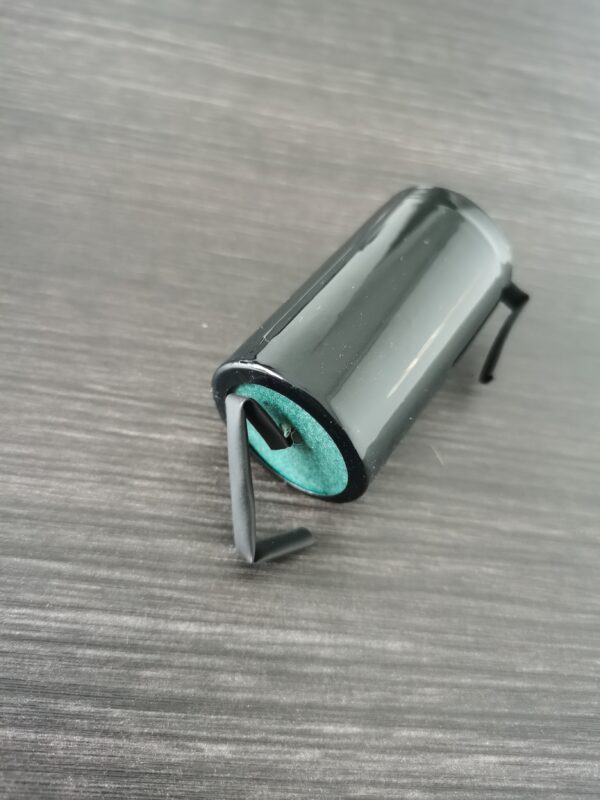
Li-S Battery for Ocean Current Monitoring Sensors
The deployment of ocean current monitoring sensors in harsh marine environments demands power solutions that combine exceptional energy density, long-term reliability, and resistance to extreme conditions. While the term “Li-S Battery” is sometimes referenced in marine applications, industry professionals must distinguish between Lithium-Sulfur (rechargeable) technology and Lithium-Thionyl Chloride (Li-SOCl₂) primary battery chemistry—the latter being the established standard for underwater sensor networks globally.
Understanding Battery Chemistry for Marine Applications
From a technical standpoint, Lithium-Sulfur (Li-S) batteries represent emerging rechargeable technology still in commercialization phases, primarily targeting aerospace and defense sectors. However, for ocean current monitoring sensors requiring 10-20 year operational lifespans without maintenance, Lithium Primary Batteries (Li-SOCl₂) remain the industry-proven solution. These batteries deliver nominal 3.6V output with energy densities reaching 590 Wh/kg, making them ideal for remote underwater deployments where battery replacement is impractical or impossible.
The electrochemical reaction in Li-SOCl₂ cells follows: 4Li + 2SOCl₂ → 4LiCl + S + SO₂, providing stable voltage profiles throughout extended discharge cycles. This chemistry excels in temperature ranges from -55°C to +85°C, critical for deep-sea and polar ocean monitoring stations.
Core Technical Requirements for Ocean Sensor Power Systems
Energy Density and Longevity
Ocean current monitoring buoys and seabed sensors operate continuously, transmitting data via satellite or acoustic modems. Primary lithium batteries must sustain micro-ampere standby currents alongside periodic high-pulse transmissions. Advanced bobbin-type Li-SOCl₂ cells offer capacity ranges from 400mAh to 19,000mAh, enabling decade-long deployments without intervention.
Environmental Resistance
Marine environments present unique challenges: high pressure at depth, saltwater corrosion, and temperature fluctuations. Quality primary lithium batteries feature hermetic sealing with glass-to-metal seals, preventing electrolyte leakage and maintaining integrity under 6,000-meter submersion pressures.
Low Self-Discharge Performance
Annual self-discharge rates below 1% ensure batteries retain 90%+ capacity after 10 years of storage—essential for emergency deployment scenarios and inventory management across global distribution centers.
Geographic Market Considerations for B2B Buyers
North American and European oceanographic institutions prioritize certifications including UL, IEC 60086-4, and UN 38.3 transportation compliance. Asian manufacturers dominate production, but procurement teams in the United States, Germany, Norway, and Australia increasingly demand traceable supply chains with documented quality control protocols.
For projects in the Gulf of Mexico, North Sea, or South China Sea, battery specifications must align with regional regulatory frameworks. Temperature-compensated discharge curves become critical for Arctic deployments versus tropical monitoring stations.
Integration Best Practices
System designers should account for voltage delay phenomena inherent to Li-SOCl₂ chemistry after extended storage. Hybrid layer capacitors (HLC) can supplement primary cells for high-pulse applications like acoustic telemetry. Proper battery management includes:
- Pre-deployment voltage verification
- Temperature-matched capacity derating
- Redundant parallel configurations for critical sensors
- Corrosion-resistant terminal materials (gold-plated or nickel)
Selecting Reliable Primary Battery Partners
When evaluating suppliers for ocean monitoring projects, B2B purchasers should verify manufacturing certifications, request sample testing data, and confirm after-sales technical support availability. Reputable manufacturers provide customized solutions including specific form factors (ER14250, ER34615, D-cell equivalents) and wire harness configurations for seamless sensor integration.
For detailed technical specifications and customization options, explore comprehensive primary battery portfolios at https://cnsbattery.com/primary-battery/. Engineering teams requiring project-specific consultations can connect directly through https://cnsbattery.com/primary-battery-contact-us/.
Future Outlook
While solid-state and lithium-sulfur technologies continue development, Li-SOCl₂ primary batteries will remain the backbone of ocean current monitoring infrastructure through 2030 and beyond. Ongoing improvements in electrolyte formulations and cathode structures promise incremental gains in pulse capability and low-temperature performance.
For marine research institutions, offshore energy operators, and environmental monitoring agencies, selecting the right primary battery partner determines project success. Technical due diligence, combined with verified performance data, ensures ocean sensors deliver reliable data streams for climate research, navigation safety, and resource management worldwide.
This technical overview serves procurement managers, system integrators, and engineering teams evaluating power solutions for marine monitoring applications across North America, Europe, Asia-Pacific, and Middle East regions.
