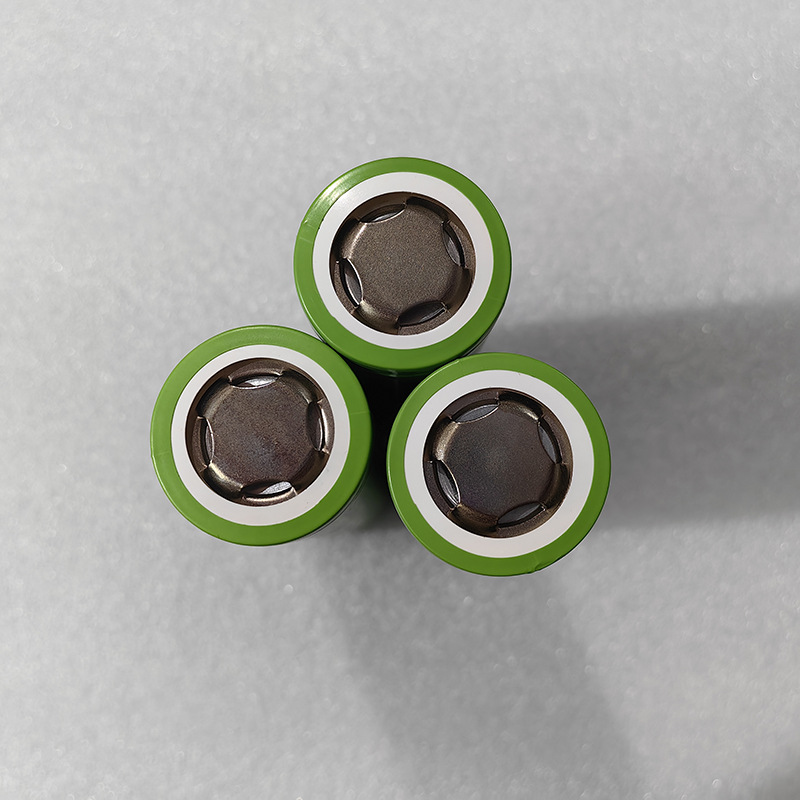
Ultimate Guide to 18650 LFP Cells for Power Tools 2026 – Complete Fast Charging Without Heat Focus
Introduction
As the power tool industry advances into 2026, Lithium Iron Phosphate (LiFePO4/LFP) 18650 cells have emerged as the preferred choice for professional-grade cordless tools. This comprehensive guide addresses the critical aspects of selecting, implementing, and optimizing 18650 LFP cells for power tool applications, with particular emphasis on fast charging capabilities and thermal management.
Why 18650 LFP Cells for Power Tools?
The 18650 form factor (18mm diameter × 65mm length) remains industry-standard for cordless power tools due to its optimal balance between energy density and mechanical compatibility. LFP chemistry offers distinct advantages over traditional NCM/NCA cells:
- Enhanced Safety: LFP cells demonstrate superior thermal stability, significantly reducing thermal runaway risks during high-current operations
- Extended Cycle Life: 3,000-5,000 full charge cycles at 80% capacity retention, ideal for professional daily use
- Stable Voltage Platform: 3.2V nominal voltage provides consistent power delivery throughout discharge
- Lower Heat Generation: Reduced internal resistance minimizes temperature rise during fast charging
Fast Charging Technology Without Heat Buildup
2026 Fast Charging Standards
Modern 18650 LFP cells support charging rates up to 3C-5C without compromising cell integrity. Key technologies enabling heat-free fast charging include:
Advanced Electrolyte Formulations: New LiFSI-based electrolytes improve ionic conductivity while maintaining thermal stability. Research indicates optimized electrolyte compositions reduce internal resistance by 15-20%, directly correlating to lower heat generation during charging cycles.
Intelligent BMS Integration: Battery Management Systems now feature real-time temperature monitoring with individual cell balancing. Professional power tool packs incorporate multi-layer protection including over-current, over-voltage, and thermal cutoff mechanisms.
Pulse Charging Protocols: Alternating current pulses with rest periods allow ion diffusion without excessive heat accumulation. This method achieves 80% charge in 20-30 minutes while maintaining cell temperatures below 45°C.
Thermal Management Best Practices
- Cell Spacing: Maintain minimum 2mm gaps between cells for air circulation
- Thermal Interface Materials: Use phase-change materials or thermal pads between cells and housing
- Active Cooling: High-performance tools integrate forced-air cooling channels
- Charging Environment: Operate within 10°C-40°C ambient temperature ranges
Compliance and Safety Standards
Power tool batteries must meet rigorous international standards:
- IEC 62133-2: Safety requirements for portable sealed secondary cells
- UN 38.3: Transportation safety testing for lithium batteries
- UL 2054: Household and commercial battery safety
- CE/UKCA: European and British conformity markings
- RoHS/REACH: Environmental compliance for hazardous substances
Manufacturers should verify all certifications before procurement. Non-compliant cells pose significant liability risks and may result in product recalls.
Procurement Guidelines for B2B Buyers
Key Specifications to Verify
| Parameter | Recommended Value | Testing Method |
|---|---|---|
| Capacity | 1500-2000mAh | 0.5C discharge |
| Continuous Discharge | 30-50A | Room temperature |
| Pulse Discharge | 60-100A (10s) | 25°C ambient |
| Internal Resistance | ≤35mΩ | AC impedance @1kHz |
| Cycle Life | ≥3000 cycles | 80% DOD @1C |
| Operating Temperature | -20°C to 60°C | Environmental chamber |
Supplier Evaluation Criteria
- Manufacturing Certifications: ISO 9001, IATF 16949 preferred
- Quality Control: Request batch testing reports and traceability documentation
- Production Capacity: Verify ability to scale for volume orders
- Technical Support: Assess engineering support availability for integration
- Warranty Terms: Standard 12-24 month coverage with clear failure analysis procedures
For verified manufacturers with proven track records in cylindrical battery cell production, explore options at CNS Battery’s cylindrical battery cell range. Their product line includes 18650 LFP cells specifically engineered for high-drain power tool applications.
Integration Considerations
Pack Design Optimization
- Series Configuration: 7S-10S configurations common for 18V-36V tool platforms
- Parallel Groups: 2P-4P arrangements balance capacity and discharge capability
- Welding Methods: Laser welding preferred over spot welding for consistent connections
- Housing Design: IP54 minimum rating for dust and moisture protection
Case Study: Professional Drill Manufacturer
A European power tool manufacturer transitioned from NCM to LFP 18650 cells in 2025. Results after 12 months:
- 40% reduction in warranty claims related to battery failures
- 25% improvement in cycle life under professional use conditions
- Zero thermal incidents during fast charging operations
- 15% cost savings through extended battery lifespan
2026 Market Trends
The global shift toward LFP chemistry accelerates as raw material costs for cobalt and nickel remain volatile. Key trends include:
- Standardization: Industry moving toward common cell formats across tool platforms
- Smart Batteries: Integrated communication protocols for tool-battery optimization
- Sustainability: Increased focus on recyclable materials and second-life applications
- Regional Manufacturing: Nearshoring production to reduce supply chain risks
When evaluating Chinese battery manufacturers for partnership opportunities, comprehensive due diligence is essential. Resources like this guide to battery manufacturers in China provide valuable insights for supplier selection and verification processes.
Conclusion
18650 LFP cells represent the optimal solution for 2026 power tool applications requiring reliable fast charging without thermal complications. Success depends on proper cell selection, compliant pack design, and qualified supplier partnerships. B2B buyers should prioritize verified specifications, comprehensive testing, and long-term supplier relationships over initial cost considerations.
For technical consultations and customized battery solutions, contact our engineering team directly at CNS Battery Contact. Our specialists provide application-specific recommendations ensuring optimal performance for your power tool platforms.
This guide reflects industry standards and best practices as of March 2026. Specifications and recommendations should be verified against current manufacturer documentation and applicable regional regulations.